
Diabetes care
Diabetes Management in Richmond, TX
Primary care for adults with prediabetes and type 2 diabetes: testing, A1C tracking, medication management and screening for complications, coordinated by an internal medicine physician.
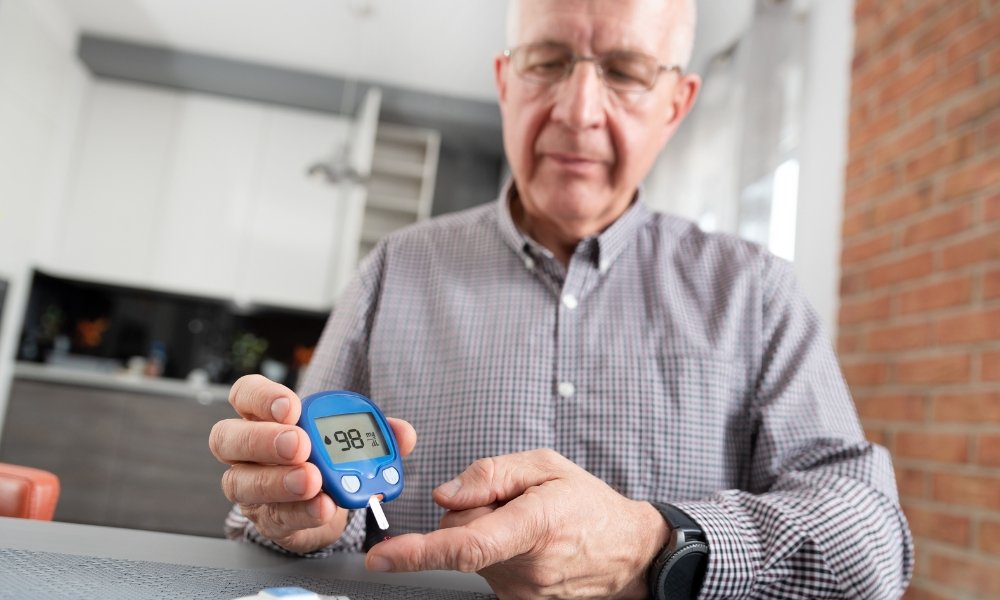
How we help with diabetes
Diabetes is a condition in which blood glucose, or blood sugar, stays too high. Over time, high blood sugar can damage the heart, kidneys, eyes and nerves, which is why steady, long-term care matters.
Lifecare Primary Medical provides diabetes care within primary care and internal medicine. Samira Khan, MD, and our team diagnose prediabetes and type 2 diabetes, manage medications, track your A1C and other labs, screen for complications, and refer you to an endocrinologist or other specialist when that would help. Our clinic is at 7103 South Peek Road, Suite 520, Richmond, TX 77407.
Signs and testing
Symptoms and how diabetes is diagnosed
Many people with prediabetes or early type 2 diabetes have no symptoms at all, so testing is often the only way to know. When symptoms do appear, they can include:
- Increased thirst and frequent urination.
- Fatigue.
- Blurred vision.
- Slow-healing cuts or frequent infections.
- Tingling or numbness in the hands or feet.
- Unexplained weight loss.
Common blood tests
The CDC lists these thresholds for the most common tests:
- A1C (average blood sugar over 2 to 3 months): normal below 5.7%, prediabetes 5.7% to 6.4%, diabetes 6.5% or higher.
- Fasting blood sugar: normal 99 mg/dL or below, prediabetes 100 to 125 mg/dL, diabetes 126 mg/dL or higher.
- Glucose tolerance test at 2 hours: normal 140 mg/dL or below, prediabetes 140 to 199 mg/dL, diabetes 200 mg/dL or higher.
A diagnosis is usually confirmed with repeat testing. Your physician will explain your results and what they mean for you.
Who should be tested
Should you be screened?
The U.S. Preventive Services Task Force recommends screening for prediabetes and type 2 diabetes in adults 35 to 70 who have overweight or obesity. Your physician may also recommend testing at other ages if you have risk factors such as a family history of diabetes, a history of gestational diabetes, high blood pressure or high cholesterol.
Finding prediabetes early is valuable: lifestyle changes at that stage can lower the chance of developing type 2 diabetes.

Your physician
Samira Khan, MD
Internal Medicine · Lifecare Primary Medical
Hypertension and diabetes care are among Dr. Khan’s main areas of focus. Because diabetes often comes with high blood pressure and high cholesterol, managing them together within internal medicine helps keep treatment consistent.
She is affiliated with Memorial Hermann Katy Hospital.
Ongoing care
What diabetes management includes
A1C goals and monitoring
Most adults with diabetes have their A1C checked every three to six months. Your target is set with you, based on your age, other health conditions and risk of low blood sugar.
Medications
Many people start with lifestyle changes and one medication, and treatment is adjusted over time. Several types of diabetes medicines are available, including oral medications, injectable non-insulin medicines and insulin. Your physician will explain the options, benefits and side effects that apply to you.
Heart and kidney protection
Diabetes raises the risk of heart disease and kidney disease. Keeping blood pressure and cholesterol in range is a big part of diabetes care, so we track all three together.
Nutrition and activity
Small, steady changes in eating, activity and weight can make a real difference in blood sugar. We focus on practical changes you can keep up, and can refer you to diabetes education or a dietitian.
Home glucose checks
If home testing is right for you, we will explain when to check and what to do with the readings. Bring your meter or app to each visit.
Complication screening
Checks that protect your long-term health
Regular screening helps catch diabetes complications early, when they are easier to treat.
Kidneys
Urine and blood tests to check kidney function.
Eyes
A regular dilated eye exam with an eye doctor to look for diabetic eye disease.
Feet and nerves
Foot exams to check for nerve damage, circulation problems and skin breakdown.
Heart and blood vessels
Blood pressure and cholesterol monitoring and a review of heart disease risk.
Specialist care
When we involve a specialist
Most type 2 diabetes is managed well in primary care. We may refer you to an endocrinologist if your blood sugar stays hard to control, if you have type 1 diabetes or a less common form, or if your treatment becomes complex. We also coordinate with eye doctors, kidney specialists and podiatrists as needed.
When blood sugar becomes an emergency
Call 911 or go to the nearest emergency department for very high blood sugar with vomiting, confusion, drowsiness, rapid breathing or a fruity breath odor, or for low blood sugar that does not improve with treatment, or if someone is unable to swallow, has a seizure or is unresponsive. Call our office the same day if your readings are consistently much higher or lower than usual.
Our location
Visit Our Richmond Clinic
Adults from Richmond, Aliana, Grand Mission, Mission Bend and Katy come to our clinic on South Peek Road for diabetes care.
Lifecare Primary Medical
7103 South Peek Road, Suite 520
Richmond, TX 77407
281-712-7757
Office hours
| Monday – Friday | 8:30 AM – 5:00 PM |
| Saturday – Sunday | Closed |
Common questions
Diabetes care questions
Can a primary care doctor manage type 2 diabetes?
Yes. Most adults with type 2 diabetes are cared for in primary care and internal medicine, with a specialist involved when needed.
Do I need an endocrinologist?
Not always. We refer to an endocrinologist when blood sugar is hard to control, for type 1 or less common types of diabetes, or when treatment becomes complex.
How often should my A1C be checked?
Usually every three to six months, depending on how well your diabetes is controlled and whether your treatment recently changed.
What A1C number means prediabetes?
An A1C of 5.7% to 6.4% falls in the prediabetes range. An A1C of 6.5% or higher is in the diabetes range.
Can prediabetes be reversed?
For many people, weight loss, more physical activity and changes in eating can bring blood sugar back toward normal and lower the risk of type 2 diabetes. We can help you make a plan.
What should I bring to a diabetes visit?
Your glucose meter or app, your medication bottles, and any recent lab or eye exam results.
Get help managing diabetes
Request an appointment or walk in on weekdays. Our office will contact you to confirm your visit.