
Hypertension & high blood pressure care
Hypertension Treatment in Richmond, TX
Diagnosis and long-term treatment for high blood pressure from a board-certified internal medicine team on South Peek Road. We confirm your numbers, look for causes, build a home-monitoring plan and adjust treatment until your blood pressure reaches a safe goal.

Who treats high blood pressure in Richmond, TX?
At Lifecare Primary Medical, high blood pressure (hypertension) is diagnosed and treated by Samira Khan, MD, a board-certified internal medicine physician, together with our physician assistants and family nurse practitioner. Most adults with hypertension can be cared for entirely in primary care: confirming the diagnosis, checking for causes and effects on the heart and kidneys, starting and adjusting medication, and following up until blood pressure is controlled. When a specialist is needed, we coordinate the referral.
Our clinic is at 7103 South Peek Road, Suite 520, Richmond, TX 77407, open Monday through Friday, 8:30 AM to 5:00 PM. Walk-ins and same-day visits are welcome during office hours.
- Board-certified internal medicine
- Walk-ins & same-day visits
- Medicare & Medicaid accepted
- English, Hindi, Punjabi & Urdu
- Memorial Hermann Katy Hospital affiliation
Understanding your numbers
What blood pressure is considered high?
A blood pressure reading has two numbers. The top (systolic) number is the pressure in your arteries when your heart beats. The bottom (diastolic) number is the pressure between beats. Under the 2025 American Heart Association and American College of Cardiology (AHA/ACC) guideline, adult readings are grouped this way:
- Normal: less than 120 and less than 80 mm Hg.
- Elevated: 120 to 129 and less than 80.
- Stage 1 hypertension: 130 to 139, or 80 to 89.
- Stage 2 hypertension: 140 or higher, or 90 or higher.
- Severe hypertension: higher than 180, and/or higher than 120.
One high reading is not a diagnosis. Blood pressure changes with stress, activity, caffeine and even the walk in from the parking lot, so hypertension is confirmed with several readings on different occasions, ideally including readings taken at home.
What is a healthy blood pressure goal?
For most adults being treated for hypertension, the 2025 guideline recommends a goal below 130/80 mm Hg. Reaching it lowers the risk of heart attack, stroke and kidney disease, and newer evidence shows it may also help protect against cognitive decline and dementia. Your goal may be adjusted for your age, other health conditions and how you tolerate treatment, and we set it with you.
Risks and warning signs
Why high blood pressure needs treatment, even when you feel fine
Hypertension rarely causes symptoms. Headaches, nosebleeds and dizziness are not reliable warning signs, and many people learn they have high blood pressure only at a routine visit. Over time, untreated hypertension strains the heart and damages blood vessels, raising the risk of:
- Heart attack and coronary artery disease
- Stroke
- Heart failure and atrial fibrillation (AFib)
- Chronic kidney disease
- Vision loss
- Cognitive decline and dementia
Who is more likely to develop it?
High blood pressure becomes more common with age. Other risk factors include a family history of hypertension, excess weight, physical inactivity, a diet high in sodium and low in potassium, alcohol, tobacco use, diabetes, chronic kidney disease, sleep apnea and thyroid problems. It is also more common, and often starts earlier, in Black adults. Some medicines and supplements raise blood pressure, including decongestants, anti-inflammatory pain relievers such as ibuprofen and naproxen, and stimulant medications.
Because hypertension is usually silent, the U.S. Preventive Services Task Force recommends blood pressure screening for all adults 18 and older, with readings outside the clinic to confirm the diagnosis.
High blood pressure during or after pregnancy
During pregnancy or after giving birth, a reading of 140/90 or higher needs prompt attention from your obstetric care team, and 160/110 or higher calls for an immediate call to your clinician. Call 911 if a high reading comes with a severe headache, vision changes, abdominal pain, chest pain, significant swelling or shortness of breath.
Your evaluation
What happens at your first hypertension visit
Whether a high reading came from a pharmacy machine, urgent care or a workplace screening, or you already take blood pressure medicine and need a new doctor, your first visit answers three questions: Is the diagnosis correct? Is something causing it? Has it affected your heart, kidneys or other organs?
Bring your home readings, your blood pressure cuff and all of your medicines and supplements, or a list of them.
-
Accurate measurement
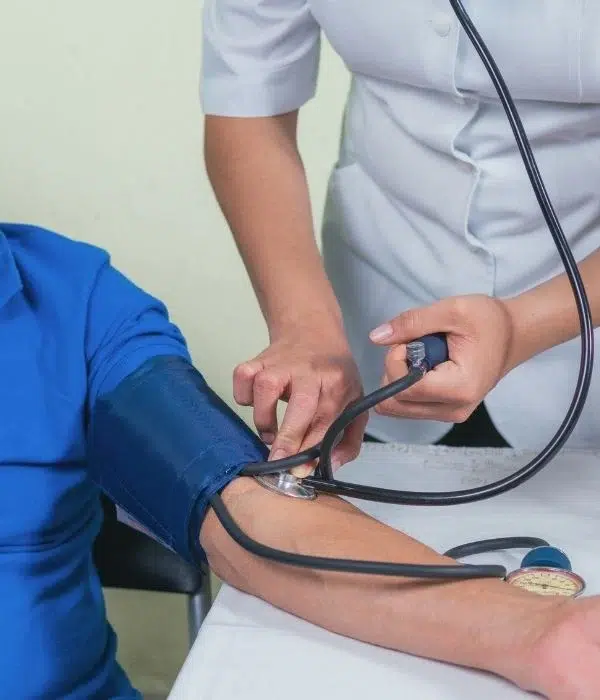
Readings are taken with the right cuff size after you rest, and repeated, so the numbers we act on are reliable.
-
History and medication review
We go over your readings, family history, sleep, diet, alcohol and every medicine and supplement you take, since some can raise blood pressure.
-
Exam and baseline tests
Depending on your history, blood and urine tests check kidney function, potassium and sodium, blood sugar, cholesterol, thyroid function and protein in the urine, often with an electrocardiogram (ECG).
-
Confirmation outside the office
Home readings, or a 24-hour ambulatory monitor when needed, confirm the diagnosis and identify white coat or masked hypertension.
-
Heart and stroke risk estimate
Your blood pressure is considered together with cholesterol, blood sugar, kidney function and smoking to estimate your 10-year cardiovascular risk, which helps decide when to start medication.
-
A clear plan
You leave knowing your blood pressure goal, any medication changes, how often to check at home and when to come back.
Home monitoring
Checking your blood pressure at home the right way
Home readings show what your blood pressure does in daily life and are one of the most useful tools for adjusting treatment. For results you can trust:
- Use a validated, automatic upper-arm cuff that fits your arm. You can check whether a model has been validated at ValidateBP.org.
- Avoid caffeine, exercise and smoking for 30 minutes before measuring, and empty your bladder first.
- Sit quietly for five minutes with your back supported, feet flat on the floor and legs uncrossed.
- Rest your bare arm on a table so the cuff is at heart level, and stay still and quiet during the reading.
- Take two readings a minute apart in the morning before medicines and again in the evening, and record every result.
Cuffless devices such as smartwatches are not recommended for diagnosing or managing high blood pressure, and wrist cuffs are generally less reliable than upper-arm cuffs. Bring your monitor to a visit so we can compare it with our readings.
White coat and masked hypertension
Some people have high readings only in the clinic (white coat hypertension), while others have normal clinic readings but high readings at home (masked hypertension). Both are common. Comparing clinic and home numbers is how we tell them apart and avoid both overtreatment and undertreatment.
Treatment
How we treat high blood pressure
Treatment combines lifestyle changes and, for most people with hypertension, medication. The right mix depends on how high your readings are, your overall cardiovascular risk and conditions such as diabetes or kidney disease.
Lifestyle changes that lower blood pressure
- Less sodium. Aim for 2,300 mg a day or less, moving toward 1,500 mg. Most sodium comes from packaged, restaurant and fast foods rather than the salt shaker.
- A DASH-style eating pattern. Plenty of vegetables, fruits, whole grains, beans, nuts and low-fat dairy. Potassium-rich foods help, but ask us before using potassium-based salt substitutes if you have kidney disease or take certain blood pressure medicines.
- Regular activity. About 150 minutes a week of moderate activity, such as brisk walking, plus some strength training.
- Weight loss if needed. Losing about 5% of body weight can lower blood pressure. Our medical weight management program can help.
- Less or no alcohol, no tobacco and better sleep, including an evaluation for sleep apnea if you snore or wake up tired.
For adults with elevated blood pressure, or stage 1 hypertension with lower cardiovascular risk, lifestyle changes are often tried first for 3 to 6 months, with medication added if blood pressure stays at 130/80 or higher.
Blood pressure medication
Many adults need one or more medicines to reach their goal. First-line options include:
- Thiazide-type diuretics (water pills), such as chlorthalidone or hydrochlorothiazide
- ACE inhibitors, such as lisinopril
- Angiotensin receptor blockers (ARBs), such as losartan
- Calcium channel blockers, such as amlodipine
If your blood pressure is 140/90 or higher, starting with two medicines from different classes, often in a single combination pill, usually reaches the goal faster. Other medicines, such as beta-blockers or spironolactone, are used in specific situations. Some require blood tests for potassium and kidney function after you start them, and we watch for side effects such as dizziness, cough or ankle swelling so your treatment stays one you can live with.
Follow-up until you reach your goal
After a new diagnosis or a medication change, you will usually be seen again within a few weeks, and treatment is adjusted until your blood pressure is at goal. Once it is stable, visits are typically spaced every 3 to 6 months, with lab work as needed. Established patients can call during business hours for prescription refills; some medicines require a visit before they can be refilled.
Beyond the numbers
Hard-to-control and secondary hypertension
If blood pressure stays above goal despite three medicines, including a diuretic, it is called resistant hypertension. Before adding more medicine, we check how readings are taken, whether doses are being taken as prescribed and tolerated, and whether another condition is pushing blood pressure up, such as:
- Obstructive sleep apnea
- Chronic kidney disease or narrowing of a kidney artery
- Primary aldosteronism, a common and treatable hormone cause that the 2025 guideline recommends screening for more widely
- Thyroid disorders
- Medicines or supplements that raise blood pressure
When specialized testing or treatment is needed, we refer you to cardiology, nephrology or endocrinology and stay involved in your primary care.
Hypertension with diabetes, kidney disease or high cholesterol
High blood pressure rarely travels alone. Our team manages it alongside diabetes, high cholesterol, kidney health and heart disease risk as part of chronic disease management, so your medicines and goals work together. Older adults can also see us for geriatric care, where blood pressure goals are balanced with fall risk and other medicines.

Your care team
Samira Khan, MD
Board-Certified Internal Medicine Physician
- Board-certified in internal medicine
- English, Hindi, Punjabi & Urdu
- Memorial Hermann Katy Hospital
Hypertension care is one of Dr. Khan’s main areas of focus. She looks at blood pressure alongside related conditions such as diabetes, high cholesterol and kidney health, so treatment works as a whole. Because she speaks English, Hindi, Punjabi and Urdu, many patients can talk through their readings and medicines in the language they are most comfortable with.
She works with physician assistants Tanveer Khan, MPAS, PA-C, and Sadaf Siddiqui, MPAS, PA-C, and family nurse practitioner Nettah Ndungu, FNP-C, so patients can be seen promptly. Meet all of our providers.
Patient reviews
What patients say about Dr. Khan and our team
Reviews from our Google Business Profile, shown as patients wrote them. Surnames are shortened to an initial for privacy.
The clinic is well organised. Dr. Samira Khan always show great care for my family members. She managed to get my dad’s blood pressure and weight down a lot. Their staff are fast and make us feel welcomed every visit.
Amazing group of highly-qualified, dedicated, passionate and caring physicians in the greater Houston area!! I had a followup visit- 2 weeks ago- and i was provided the utmost care and compassion but every staff member, especially by Dr Khan. Her delicate, charismatic approach and disease management is really amazing. I feel so much better now about my health in their hands !!
Dr. Khan and the entire staff at Lifecare Primary Medical are outstanding. The team is professional, caring, and always takes the time to listen to my concerns. Appointments are efficient, and I never feel rushed. Dr. Khan provides thorough care and explains everything clearly. I highly recommend Lifecare Primary Medical to anyone looking for a knowledgeable and compassionate primary care provider.
Dr. Khan and her team of associates and the rest of her staff are extremely knowledgeable and professional. She takes her time to completely address patient concerns thoroughly without missing a beat. I would not hesitate in recommending her to my family and friends. Thank you Dr. Khan!
I would like to express my sincere gratitude to Dr. Samira Khan, M.D., and her incredible team at LifeCare Primary Medical Associates. Their exceptional care, dedication, and expertise have made a profound difference in my health and well-being. I am truly grateful for their guidance and support every step of the way.
One of the best clinics I’ve come across! Doctors are very knowledgeable and attentive bedside manner. Office staff are very friendly! Had a great experience for my annual check up, very detailed and listened to all my concerns. Would recommend this clinic to all my friends and family!
Dr Samira Khan was very caring and helpful. I am glad that the office staff was so friendly and got me in the same day for check up. Everyone was very nice, and it is nice to be treated well since you are the patient in need of help. Caring for patients creates a good atmosphere . I will continue to come here. I was very well taken care of
Have a good experience with this facility, clean and organize. Staff attentive and accommodating, very helpful. Physician gave ample time and listen to my concerns. I highly recommend this clinic.
I had a great experience at Life Care Primary Medical Care. The staff was friendly, professional, and very caring. The provider listened to my concerns and made me feel comfortable throughout the visit. Highly recommend!
I had a wonderful experience with this Life Care primary medical company. The staff was professional and caring. Everyone treated me with kindness and respect, and it was clear that they genuinely care about the people they serve. The team did an outstanding job, and I truly appreciate their dedication and hard work. I would highly recommend this company to anyone looking for quality care and exceptional service. Thank you to the entire staff for everything you do!
Lifetime Medical center, is a perfect place to go for your medical appointment, the doctor and the nurses very friendly, welcoming, and professional in all what they do. She is my family Doctor ,they are just awesome.
I’m pleased to say that my care received is both positive and supportive. The front office staff is Awesome! Always have smiles and are welcoming!
When high blood pressure is an emergency
If your reading is higher than 180 on top and/or higher than 120 on the bottom, wait a few minutes and check again. If it is still that high and you have no symptoms, this is severe hypertension: call our office or your health care professional right away.
Call 911 if a very high reading comes with chest pain, shortness of breath, back pain, numbness, weakness, a change in vision or difficulty speaking. These can be signs of a hypertensive emergency, such as a heart attack or stroke.
Our location
Visit Our Richmond Clinic
Adults from Richmond, Aliana, Grand Mission, Mission Bend, Pecan Grove, Katy and Fulshear visit our clinic on South Peek Road for blood pressure care. We accept most insurance plans, including Medicare and Medicaid; call 281-712-7757 to confirm your coverage.
Lifecare Primary Medical
7103 South Peek Road, Suite 520
Richmond, TX 77407
281-712-7757
Office hours
| Monday – Friday | 8:30 AM – 5:00 PM |
| Saturday – Sunday | Closed |
Common questions
High blood pressure questions
What blood pressure is considered high?
For adults, 130 or higher on top, or 80 or higher on the bottom, is high blood pressure (stage 1 hypertension), based on several readings on different occasions. A reading of 140/90 or higher is stage 2.
Can a primary care doctor treat high blood pressure, or do I need a cardiologist?
Most people with hypertension are diagnosed and treated by a primary care or internal medicine physician. A cardiologist or kidney specialist is usually needed only for hard-to-control blood pressure, a suspected secondary cause, or related heart or kidney disease, and we refer you when that is the case.
Can I walk in to get my blood pressure checked in Richmond?
Yes. Walk-ins and same-day visits are welcome Monday through Friday, 8:30 AM to 5:00 PM, at 7103 South Peek Road, Suite 520, Richmond, TX 77407. You can also call ahead at 281-712-7757.
Does high blood pressure cause symptoms?
Usually not. Most people feel fine, which is why regular checks matter. Headaches, nosebleeds and dizziness are not reliable signs, although very high readings with symptoms such as chest pain or trouble speaking need emergency care.
How long does blood pressure medication take to work?
Most blood pressure medicines start lowering readings within days, with the full effect usually seen over 2 to 4 weeks. That is why we recheck a few weeks after a new medicine or dose change.
Will I need medication for the rest of my life?
Many people do need long-term medication, but lifestyle changes can lower the dose or number of medicines needed, and some people with mild hypertension control it without medicine. Never stop a blood pressure medicine without talking to your clinician.
Are wrist cuffs or smartwatches accurate for blood pressure?
A validated upper-arm cuff is the most reliable option for home use. Wrist cuffs are more sensitive to arm position, and cuffless devices such as smartwatches are not recommended for diagnosing or managing high blood pressure.
What is white coat hypertension?
White coat hypertension means your blood pressure is high in a medical office but normal at home. It is confirmed by comparing clinic readings with home or 24-hour ambulatory readings, and it still needs periodic monitoring.
How often should I check my blood pressure at home?
When starting or changing treatment, many patients take two readings in the morning and two in the evening for a week before a visit. Once blood pressure is controlled, less frequent checks are usually enough. Your clinician will give you a schedule.
Can high blood pressure damage my kidneys?
Yes. Over time it can harm the kidneys, and kidney disease can also raise blood pressure. We check kidney function and urine protein as part of your care.
Do you accept Medicare for blood pressure care?
Yes. We accept most insurance plans, including Medicare and Medicaid. Coverage varies by plan, so call 281-712-7757 to confirm before your visit.
Can you refill my blood pressure medication?
Established patients can call our office during business hours to request a refill. Some medicines require a visit before they can be refilled, and new patients need a visit first so we can review their readings and lab work.
Get your blood pressure under control
Request an appointment, call 281-712-7757 or walk in on weekdays from 8:30 AM to 5:00 PM. Bring your home readings, your cuff and your current medicines.