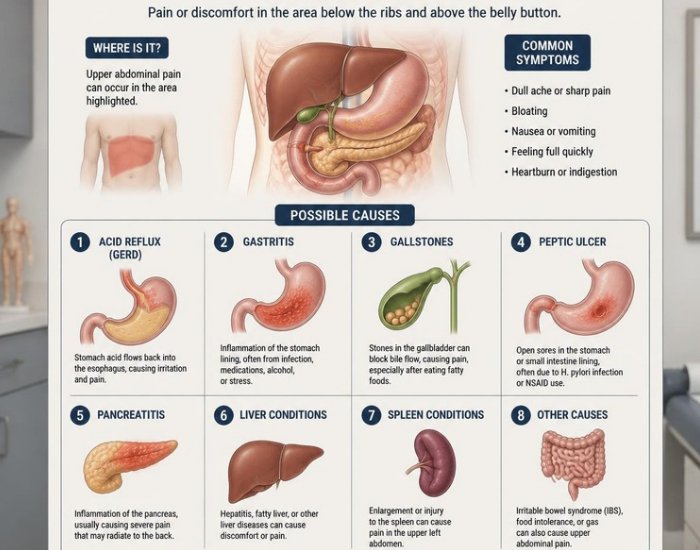
Stomach pain after eating can be frustrating, especially when it happens repeatedly. You finish a meal expecting to feel satisfied, but instead you notice cramping, pressure, burning, bloating, nausea, or an uncomfortable ache. Sometimes the cause is something relatively simple, such as eating too quickly or having a food that does not agree with you. But recurring pain after meals can also be related to reflux, gastritis, ulcers, gallbladder problems, constipation, food intolerance, or another digestive condition that deserves medical attention.

Table of Contents
- Why Does My Stomach Hurt After Eating?
- 10 Possible Causes of Stomach Pain After Eating
- Why the Timing of Pain After Eating Matters
- Symptoms That May Occur With Stomach Pain After Meals
- When Should You Worry About Stomach Pain After Eating?
- How Does a Doctor Find the Cause?
- How Is Stomach Pain After Eating Treated?
- What Can You Do Before Your Appointment?
- Can a Primary Care Doctor Evaluate Stomach Pain After Eating?
- Stomach Pain After Eating Care in Richmond, TX
- Frequently Asked Questions
- Final Thoughts
Note:
Stomach pain after eating does not automatically mean you have a serious digestive disease. The pattern matters. Occasional discomfort may have a straightforward explanation, while pain that happens frequently, becomes more intense, or occurs with symptoms such as vomiting, bleeding, unexplained weight loss, fever, or severe abdominal tenderness should be evaluated by a medical professional.

Why Does My Stomach Hurt After Eating?
Your stomach and digestive system naturally become more active after you eat. The stomach expands as food enters, digestive juices are released, and the intestines begin moving food through the digestive tract. If something interferes with this process, you may experience pain or discomfort after a meal.
The important question is not simply whether your stomach hurts after eating. It is what the pain feels like, where it occurs, how soon it starts, how long it lasts, what foods seem to trigger it, and whether other symptoms occur at the same time.
For example, burning discomfort in the upper abdomen after a large meal may point toward indigestion or reflux, while repeated pain in the upper-right abdomen after fatty foods can have a different explanation. Cramping with diarrhea after certain foods may suggest an intolerance or infection.
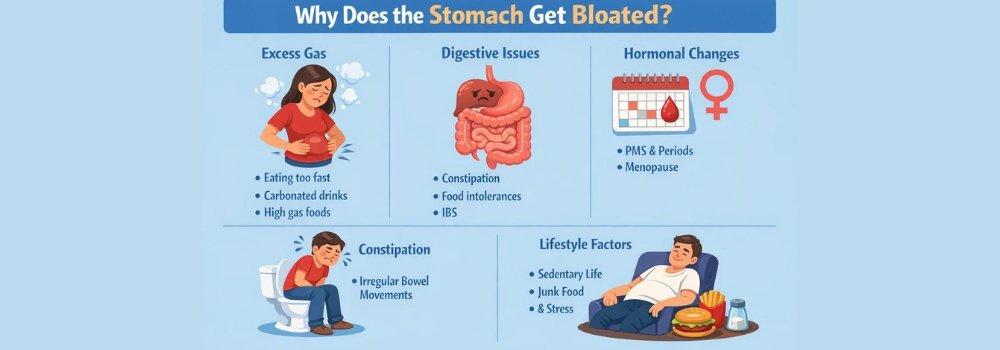
If you are also dealing with persistent bloating, pressure, or gas, our related guide on stomach pain and bloating explains how these symptoms can occur together and when they should be checked.
10 Possible Causes of Stomach Pain After Eating
There is no single cause of abdominal pain after eating. Several digestive and non-digestive conditions can produce similar symptoms. Here are 10 possibilities a primary care physician may consider based on your symptoms and medical history.
1. Indigestion
Indigestion, also called dyspepsia, is one of the most common reasons people develop discomfort after meals. It may feel like upper stomach pain, burning, fullness, pressure, or an uncomfortable sensation shortly after eating.
Large meals, eating quickly, high-fat foods, spicy foods, caffeine, alcohol, stress, and certain medications can contribute to indigestion in some people.
Occasional indigestion is usually not a reason to panic. However, if you frequently need to change your diet because eating causes pain, it is worth discussing with a doctor rather than repeatedly treating the symptom on your own.
2. Acid Reflux or GERD
Acid reflux occurs when stomach contents move backward toward the esophagus. This can cause a burning sensation behind the breastbone, sour taste, regurgitation, or discomfort in the upper abdomen.
Symptoms may become more noticeable after large meals or when lying down soon after eating. Some people primarily notice upper stomach discomfort rather than classic heartburn.
Persistent reflux symptoms deserve evaluation because frequent acid exposure can irritate the esophagus and may require ongoing management.
3. Gastritis
Gastritis refers to inflammation of the stomach lining. Depending on the cause, it can produce burning or aching pain in the upper abdomen, nausea, early fullness, or discomfort after eating.
Gastritis can have several causes, including certain infections, medications such as nonsteroidal anti-inflammatory drugs, and other factors that irritate the stomach lining.
If your stomach repeatedly hurts after meals and the discomfort feels burning or gnawing, a medical evaluation can help determine whether gastritis or another upper-digestive condition may be involved.
4. Peptic Ulcer Disease
A peptic ulcer is an open sore that develops in the lining of the stomach or the first part of the small intestine. Some people experience pain or burning in the upper abdomen, while others may notice nausea, fullness, or changes in their eating habits.
Ulcers can have different causes, including Helicobacter pylori infection and certain medications. Because untreated ulcers can sometimes lead to bleeding or other complications, recurring or significant upper abdominal pain should not be ignored.
5. Food Intolerance
Can food intolerance cause stomach pain? Yes. Some people have difficulty digesting or processing particular foods or components of foods. Lactose intolerance is one familiar example, but other dietary triggers can also cause digestive symptoms.
Symptoms may include stomach pain, cramping, gas, bloating, diarrhea, or discomfort after consuming a specific food. The symptoms may occur repeatedly with the same trigger rather than randomly.
Keeping track of what you eat and when symptoms develop can provide useful information for your doctor. Avoiding major food groups unnecessarily, however, is not always the best approach without understanding the underlying cause.
If you suspect that an allergic reaction rather than an intolerance is involved, symptoms may be different and potentially more urgent. You can learn more in our guide to recognizing allergy symptoms and how they differ from other common conditions.
6. Constipation
Constipation can cause more than difficulty having a bowel movement. When stool moves slowly through the digestive tract, you may experience abdominal pressure, cramping, fullness, bloating, or pain that becomes more noticeable after eating.
Eating stimulates movement in the digestive tract. If you are already constipated, that increased activity may make discomfort more noticeable.
Low fluid intake, insufficient dietary fiber, inactivity, certain medications, and changes in routine can contribute to constipation. Persistent constipation, particularly when accompanied by significant pain or other changes in bowel habits, should be evaluated.
7. Gallbladder Problems
Not every type of “stomach pain” actually comes from the stomach. Gallbladder problems can cause abdominal pain, particularly in the upper-right portion of the abdomen or beneath the right ribs.
For some people, symptoms become more noticeable after eating a fatty or heavy meal. Pain may sometimes spread toward the back or right shoulder and may occur with nausea or vomiting.
Because gallbladder symptoms can overlap with other digestive problems, the location and timing of the pain are important clues. Repeated episodes should be medically evaluated.
8. Irritable Bowel Syndrome
Irritable bowel syndrome, or IBS, is a gastrointestinal condition associated with abdominal pain and changes in bowel habits. Some people notice symptoms after meals, particularly when certain foods trigger intestinal activity.
IBS may involve diarrhea, constipation, or alternating bowel patterns. Bloating and abdominal discomfort are also common.
IBS is generally diagnosed based on symptoms and the exclusion of other conditions when appropriate. A doctor can help determine whether your symptoms fit this pattern or whether another cause needs to be investigated.
9. Stomach or Intestinal Infection
An infection affecting the digestive tract can cause abdominal pain after eating, although the pain may not occur exclusively after meals. Nausea, vomiting, diarrhea, fever, fatigue, and loss of appetite may occur as well.
Some infections resolve with supportive care, while others may require medical treatment depending on the cause and severity. Dehydration can become a concern when vomiting or diarrhea is significant.
If your abdominal pain started suddenly and is accompanied by repeated vomiting, high fever, bloody stools, severe weakness, or difficulty keeping fluids down, prompt medical evaluation is important.
10. Other Digestive or Medical Conditions
Sometimes recurring abdominal pain requires a broader evaluation. Conditions involving the pancreas, liver, intestines, urinary system, or reproductive organs can sometimes be felt as abdominal discomfort and may be mistaken for ordinary stomach pain.
This is one reason it is risky to assume that every episode of pain after eating is simply gas or indigestion.
Our detailed guide on common causes of abdominal pain in adults and when medical evaluation is necessary provides additional information about how doctors approach abdominal symptoms.

Why Does the Timing of Pain After Eating Matter?
One of the most useful details you can tell your doctor is when the pain starts in relation to your meal.
Pain that begins almost immediately after eating may have a different pattern from pain that develops several hours later. Similarly, discomfort that occurs only after large meals may have a different explanation from pain that happens after nearly every meal regardless of what you eat.
| Pattern | What It May Suggest |
|---|---|
| Pain immediately after eating | Indigestion, reflux, food-related symptoms, or another digestive issue |
| Pain after heavy or fatty meals | Indigestion or possible gallbladder-related symptoms |
| Pain with bloating and gas | Gas, constipation, food intolerance, or functional digestive conditions |
| Pain with diarrhea after certain foods | Food intolerance, infection, or another intestinal condition |
| Repeated upper abdominal pain | Reflux, gastritis, ulcer disease, gallbladder issues, or other causes |
This table is not a way to diagnose yourself. Several conditions can produce overlapping symptoms, and the same condition can affect different people differently. Instead, think of the pattern as information that can help your doctor decide what should be evaluated next.
If Eating Has Started to Feel Like a Problem
You do not need to wait until stomach pain becomes severe before asking for help. If you repeatedly change what or how much you eat because you are worried about pain afterward, that is a reasonable reason to talk with a primary care doctor. Finding the cause can help you move beyond guessing which foods are “safe.”
What Other Symptoms Can Occur With Stomach Pain After Meals?
Stomach pain rarely occurs in isolation. The other symptoms you experience can provide important clues.
You may notice bloating, excessive gas, belching, nausea, vomiting, heartburn, constipation, diarrhea, changes in appetite, early fullness, or a feeling of pressure in the abdomen.
For example, stomach pain with bloating after eating may point toward gas, constipation, food intolerance, or another digestive issue. Pain with persistent vomiting requires a different level of attention. Pain accompanied by black stools or vomiting blood is an urgent warning sign.
The sick and well visit service at LifeCare can also be a starting point when you are dealing with a new digestive symptom and need medical guidance about what should happen next.
When Should You Worry About Stomach Pain After Eating?
Most episodes of mild stomach discomfort are not emergencies. However, certain symptoms should not be brushed off.
Seek urgent medical attention for severe or rapidly worsening abdominal pain, significant abdominal tenderness or swelling, vomiting blood, black or bloody stools, fainting, severe weakness, difficulty breathing, chest pressure, or symptoms suggesting a serious acute illness.
You should also arrange a medical evaluation if stomach pain after eating keeps returning, is becoming more frequent, interferes with normal meals, wakes you from sleep, or is associated with unexplained weight loss, persistent vomiting, ongoing diarrhea, persistent constipation, fever, or a major change in bowel habits.
Women with abdominal pain should also consider that some causes may involve the reproductive system rather than the digestive tract. If symptoms are related to menstrual changes, pelvic pain, pregnancy concerns, or other women’s health symptoms, a primary care physician can help determine whether additional evaluation or referral is appropriate. LifeCare also provides women’s wellness and sick-visit care.
How Does a Doctor Find the Cause of Stomach Pain After Eating?
A good evaluation starts with the story behind your symptoms. Your doctor may ask what the pain feels like, exactly where it occurs, how soon it begins after eating, how long it lasts, what foods seem to trigger it, and whether you have nausea, vomiting, diarrhea, constipation, heartburn, fever, or weight changes.
Your medical history matters too. Medications, previous digestive conditions, surgeries, family history, alcohol use, dietary changes, and chronic health conditions can all affect the evaluation.
The physical examination may include checking your abdomen for tenderness, swelling, or other findings.
Depending on your symptoms, a doctor may consider laboratory testing, stool testing, imaging, or other diagnostic procedures. Not everyone with stomach pain needs every test. The goal is to choose testing based on the specific pattern and clinical findings.
If your symptoms are more localized to the upper abdomen, our guide to upper abdominal pain and causes by location may help you understand why the exact location of discomfort matters.
How Is Stomach Pain After Eating Treated?
Treatment depends on the underlying cause. There is no single medication or diet that is appropriate for every person with abdominal pain after meals.
If indigestion or reflux is contributing to symptoms, treatment may involve dietary changes, meal timing, lifestyle measures, or medications when appropriate. Food intolerance may require identifying and managing specific dietary triggers. Constipation may improve with changes in fluids, fiber, activity, or medication when medically appropriate.
Conditions such as ulcers, infections, gallbladder disease, or other medical problems require condition-specific treatment.
This is why repeatedly taking over-the-counter medications without understanding why your stomach hurts can sometimes delay the right diagnosis. If symptoms are recurring, a medical evaluation can help determine whether self-care is appropriate or whether you need targeted treatment.
What Can You Do Before Your Appointment?
While waiting to be evaluated, pay attention to patterns rather than trying to eliminate every possible food from your diet.
Write down what you ate, approximately when you ate it, when the pain started, where you felt it, how severe it was, how long it lasted, and whether you developed bloating, diarrhea, constipation, nausea, heartburn, or another symptom.
Also note any medications or supplements you take and whether symptoms change when you eat smaller meals, eat more slowly, or avoid a suspected trigger.
Do not make major long-term dietary restrictions based solely on an internet symptom list. If you repeatedly experience pain after eating, identifying the underlying cause is more useful than simply creating a longer list of foods you are afraid to eat.
Can a Primary Care Doctor Evaluate Stomach Pain After Eating?
Yes. A primary care or internal medicine physician can evaluate many common causes of stomach pain after eating and determine whether additional testing, treatment, or specialist care is needed.
This makes primary care a practical starting point when symptoms are recurring but you are not experiencing an emergency.
At LifeCare Primary Medical Clinic, the evaluation can include a review of your symptoms, medical history, medications, risk factors, and overall health. When appropriate, your doctor can recommend diagnostic testing or refer you to a gastroenterology or other specialist if your symptoms require more specialized care.
This approach is especially useful when digestive symptoms occur alongside other chronic conditions. LifeCare provides chronic disease management as part of comprehensive primary care, allowing your medical team to consider your overall health rather than looking at one symptom in isolation.
Regular preventive care can also help identify health concerns before they become more complicated. If you are overdue for routine care, you can learn more about an annual physical and preventive checkup.
Stomach Pain After Eating Care in Richmond, TX
If you live in Richmond, Katy, or a nearby community and repeatedly experience abdominal pain after meals, LifeCare Primary Medical Clinic can be a starting point for evaluation.
The clinic provides internal medicine and primary care for adults, including evaluation of new symptoms, chronic conditions, preventive health needs, and ongoing medical concerns. Dr. Samira Khan and the LifeCare clinical team take a patient-centered approach to understanding symptoms and determining appropriate next steps.
During an appointment, be prepared to explain exactly what happens after you eat. Tell your doctor whether the pain begins immediately or later, whether certain foods trigger it, where you feel the discomfort, and whether you experience bloating, nausea, bowel changes, heartburn, or other symptoms.
Recurring Stomach Pain After Meals?
If eating regularly leaves you with pain, cramping, burning, nausea, or uncomfortable abdominal pressure, it may be time to find out why.
Call LifeCare Primary Medical Clinic at 281-712-7757 to schedule an appointment.
7103 South Peek Road, Suite 520, Richmond, TX 77407
Telehealth options are also available when appropriate.
Frequently Asked Questions About Stomach Pain After Eating
Why does my stomach hurt every time I eat?
Stomach pain every time you eat can have several possible causes, including indigestion, acid reflux, gastritis, ulcer disease, food intolerance, constipation, gallbladder problems, IBS, or another digestive condition. Because the symptom is recurring and connected to meals, it is worth discussing with a doctor rather than assuming it is normal.
What causes abdominal pain immediately after eating?
Abdominal pain that begins immediately after eating may be related to indigestion, reflux, food-related symptoms, stomach irritation, or another digestive condition. The location and character of the pain, along with other symptoms, help determine what should be evaluated.
Can food intolerance cause stomach pain?
Yes. Food intolerance can cause abdominal pain, cramping, bloating, gas, diarrhea, or other digestive symptoms after consuming a triggering food or food component. A medical evaluation can help distinguish food intolerance from food allergy, infection, IBS, and other causes.
Why does my stomach hurt after meals but feel better when I do not eat?
When pain consistently follows meals, the digestive process itself may be contributing to the symptoms. Indigestion, reflux, gastritis, ulcers, gallbladder problems, and food-related conditions are among the possibilities. The pattern should be evaluated if it keeps happening.
Why does my stomach hurt and feel bloated after eating?
Gas, constipation, food intolerance, indigestion, and several other digestive conditions can cause pain and bloating after meals. If these symptoms are persistent, severe, or associated with weight loss, vomiting, bleeding, fever, or significant bowel changes, seek medical evaluation.
Can gas cause stomach pain after eating?
Yes. Gas can create pressure, cramping, fullness, and abdominal discomfort. Eating quickly, swallowing air, certain foods, constipation, and digestive conditions can contribute to gas. Repeated or severe pain should not automatically be attributed to gas without considering other causes.
What doctor should I see for stomach pain after eating?
A primary care physician or internal medicine physician is often a good first point of contact for recurring stomach pain after eating. They can evaluate common causes, determine whether testing is needed, and refer you to a gastroenterologist when specialized care is appropriate.
When should I see a doctor for stomach pain after eating?
Make an appointment if the pain keeps returning, interferes with eating or daily activities, becomes more frequent, or occurs with persistent vomiting, unexplained weight loss, ongoing diarrhea or constipation, fever, or other concerning symptoms. Seek urgent care for severe pain, vomiting blood, black or bloody stools, fainting, or other signs of a medical emergency.
Final Thoughts
Stomach pain after eating is common, but recurring pain is worth paying attention to. The cause may be something relatively simple, such as indigestion, gas, constipation, or a food intolerance. In other cases, symptoms may be related to reflux, gastritis, an ulcer, gallbladder disease, IBS, an infection, or another medical condition.
The most useful clues are often the ones you can describe clearly: where the pain occurs, what it feels like, how soon it begins after eating, what foods seem to trigger it, and what other symptoms occur with it.
If your stomach hurts after nearly every meal, you are changing your eating habits because of discomfort, or your symptoms are becoming more difficult to manage, consider talking with a primary care physician. You do not have to figure out the cause by yourself.
Need Help Finding the Cause?
LifeCare Primary Medical Clinic provides adult primary care and internal medicine services in Richmond, TX.
Call 281-712-7757 to schedule an appointment.
7103 South Peek Road, Suite 520, Richmond, TX 77407
Medical Disclaimer: This article is intended for general educational purposes and does not replace professional medical advice, diagnosis, or treatment. Stomach and abdominal pain can have many different causes. If you are experiencing severe, sudden, or concerning symptoms, seek appropriate medical care promptly.