Almost everyone experiences abdominal pain at some point, but not every stomach ache has the same cause—or the same level of urgency. Sometimes it’s a brief discomfort after eating too much or trying a new food. Other times, persistent or severe abdominal pain may be your body’s way of signaling an underlying medical condition that needs prompt attention.
One of the biggest challenges with abdominal pain is that many different organs are located within the abdomen. The stomach, intestines, liver, gallbladder, pancreas, kidneys, bladder, and reproductive organs can all contribute to pain, making it difficult to identify the exact cause based on symptoms alone. Pain may feel sharp, dull, crampy, burning, or constant, and its location can change depending on the condition.
If you’ve ever wondered, “Why does my stomach hurt?” or “When should I worry about abdominal pain?”, you’re not alone. Understanding what your symptoms might mean—and knowing when it’s time to see a healthcare provider—can help you get the right treatment before a minor issue becomes a more serious problem.
Table of Contents
- Important Note
- Understanding Abdominal Pain
- Different Types of Abdominal Pain
- Common Causes of Abdominal Pain in Adults
- GERD (Acid Reflux)
- Gastritis
- Constipation
- Gallstones
- Urinary Tract Infections (UTIs)
- Food Poisoning
- Irritable Bowel Syndrome (IBS)
- Warning Signs That Need Immediate Medical Attention
- Important Note
- How Abdominal Pain Is Diagnosed
- Treatment Options
- Can Abdominal Pain Be Prevented?
- Finding Care in Richmond, TX
- Frequently Asked Questions
- Medical Disclaimer
Important Note
Abdominal pain can range from a mild inconvenience to a symptom of a condition that requires urgent medical care. While many causes—such as indigestion or constipation—can often be treated successfully, persistent, severe, or worsening pain should never be ignored. Learning what different symptoms may indicate can help you seek timely care and reduce the risk of complications.
Understanding Abdominal Pain
Abdominal pain refers to discomfort felt anywhere between the chest and the pelvis. Because this area contains numerous organs and body systems, abdominal pain isn’t a diagnosis by itself—it’s a symptom that can have dozens of possible causes.
Some causes are relatively harmless and improve within a day or two. Others require prescription medication, lifestyle changes, or even emergency treatment. That’s why healthcare providers don’t focus solely on where the pain is located. They also consider how long it’s been present, how intense it feels, whether it comes and goes or remains constant, and whether other symptoms accompany it.
For example, burning pain behind the breastbone after eating may point toward acid reflux, while cramping with diarrhea could suggest food poisoning or a viral infection. Sharp pain in the upper right abdomen after a fatty meal might indicate gallbladder disease, whereas pain with burning urination could be related to a urinary tract infection.
Although online searches can provide general information, abdominal pain should never be self-diagnosed based on one symptom alone. Many digestive, urinary, and even heart conditions can produce similar discomfort, making a professional medical evaluation essential when symptoms persist or become severe.
Working with a trusted primary care physician allows you to receive a thorough evaluation, appropriate testing, and personalized treatment based on your individual symptoms and medical history.

Different Types of Abdominal Pain and What They May Mean
One of the first questions your healthcare provider will ask is, “What does the pain feel like?” That’s because the character of the pain often provides valuable clues about what’s happening inside the body.
Cramping pain is commonly associated with the intestines. It may occur with constipation, viral gastroenteritis, food poisoning, or irritable bowel syndrome (IBS). The discomfort often comes in waves and may improve temporarily after passing gas or having a bowel movement.
Burning pain frequently points toward irritation of the stomach or esophagus. Conditions such as gastroesophageal reflux disease (GERD) or gastritis often produce a burning sensation that worsens after meals or while lying down.
Sharp or stabbing pain may suggest inflammation or obstruction involving organs such as the gallbladder, kidneys, or appendix. However, muscle strains and other non-serious conditions can also produce sharp discomfort.
Dull or aching pain is often more difficult to localize. It may develop gradually and can occur with digestive disorders, constipation, chronic inflammation, or certain urinary conditions.
Sudden severe pain that appears without warning is particularly concerning. Pain that rapidly intensifies or is accompanied by fever, vomiting, fainting, or difficulty breathing should be evaluated immediately.
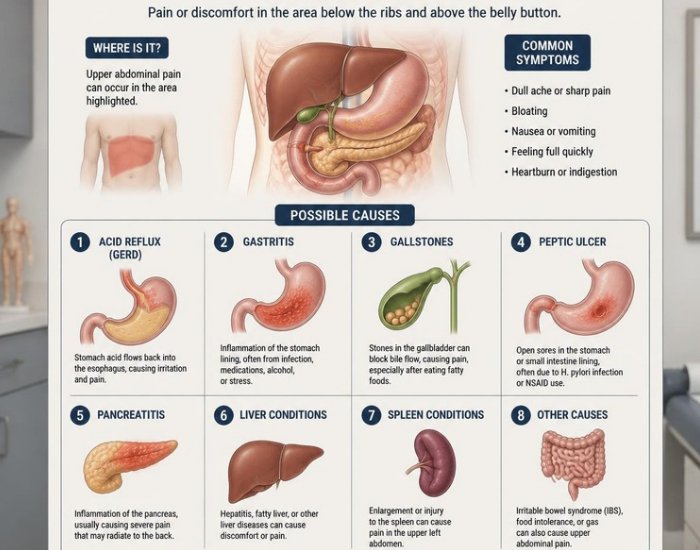
Just as important as the type of pain is its location. Upper abdominal discomfort may suggest stomach, liver, gallbladder, or pancreatic conditions, while lower abdominal pain may involve the intestines, bladder, urinary tract, or reproductive organs.
Common Causes of Abdominal Pain in Adults
Because abdominal pain has so many possible causes, physicians often begin by considering the most common explanations before investigating less frequent conditions. Your age, medical history, recent meals, medications, and associated symptoms all help narrow the diagnosis.
Among adults, several conditions account for a large percentage of primary care visits related to abdominal discomfort. These include acid reflux, gastritis, constipation, gallstones, urinary tract infections, food poisoning, and irritable bowel syndrome. While these conditions affect different organs, they often produce overlapping symptoms, making a proper evaluation especially important.
Let’s take a closer look at each of these common causes and how they typically present.
GERD (Acid Reflux): A Common Cause of Upper Abdominal Discomfort
Gastroesophageal reflux disease, commonly called GERD or chronic acid reflux, occurs when stomach acid repeatedly flows backward into the esophagus. This acid irritates the lining of the esophagus, leading to symptoms that may range from occasional heartburn to persistent upper abdominal pain.
Many people describe GERD as a burning sensation that starts in the upper abdomen or chest and may move upward toward the throat. Others notice a sour taste in the mouth, frequent burping, chronic cough, hoarseness, or the feeling that food is coming back up after eating.
The discomfort often becomes worse after large meals, spicy foods, coffee, alcohol, chocolate, or lying down soon after eating. Some people experience symptoms primarily at night, making it difficult to sleep comfortably.
Although occasional acid reflux is common, frequent symptoms occurring several times a week may indicate GERD. Left untreated, chronic reflux can lead to inflammation, ulcers, narrowing of the esophagus, or a condition called Barrett’s esophagus, which increases the risk of esophageal cancer.
Simple lifestyle changes—such as eating smaller meals, avoiding trigger foods, maintaining a healthy weight, and not lying down immediately after eating—may help reduce symptoms. Depending on severity, your physician may also recommend medications that decrease stomach acid production.
Gastritis: When the Stomach Lining Becomes Inflamed
Gastritis refers to inflammation of the stomach lining and is another common reason adults experience upper abdominal pain. The discomfort is often described as a dull ache, burning sensation, or feeling of fullness in the upper abdomen.
Several factors can contribute to gastritis, including infection with Helicobacter pylori (H. pylori), long-term use of anti-inflammatory medications such as ibuprofen or naproxen, excessive alcohol consumption, smoking, chronic stress related to severe illness, and certain autoimmune conditions.
Some individuals notice nausea, bloating, decreased appetite, frequent belching, or discomfort that worsens after eating. Others may have very mild symptoms—or none at all—until inflammation becomes more significant.
Fortunately, many cases of gastritis improve once the underlying cause is identified and treated. Depending on the diagnosis, treatment may involve medications that reduce stomach acid, antibiotics for H. pylori, or avoiding substances that irritate the stomach lining.
Persistent upper abdominal pain, black stools, vomiting blood, or unexplained weight loss should always be evaluated promptly, as these symptoms may indicate bleeding ulcers or other serious digestive conditions.
Constipation: More Than Just Infrequent Bowel Movements
Constipation is one of the most common digestive complaints seen in primary care, yet many people underestimate how uncomfortable—and sometimes painful—it can become. While it’s normal for bowel habits to vary from person to person, constipation generally refers to having fewer than three bowel movements a week, passing hard or dry stools, or feeling as though the bowels never fully empty.
The pain associated with constipation often feels crampy or achy and is usually located in the lower abdomen. Many people also experience bloating, excessive gas, a feeling of fullness, or pressure that temporarily improves after a bowel movement.
Constipation can develop for many reasons. A diet low in fiber, inadequate water intake, lack of physical activity, certain medications, travel, stress, or delaying bowel movements can all contribute. Older adults may be particularly susceptible because digestion naturally slows with age, and some chronic medical conditions or medications can affect bowel function.
Although occasional constipation is usually not a cause for concern, ongoing symptoms shouldn’t be ignored. Persistent constipation may increase the risk of hemorrhoids, anal fissures, and fecal impaction. In some cases, it can also signal an underlying medical condition that requires evaluation.
Increasing dietary fiber, drinking plenty of water, staying physically active, and establishing regular bathroom habits often help improve bowel function. However, if constipation lasts more than a few weeks, becomes severe, or is accompanied by blood in the stool, unexplained weight loss, fever, or severe abdominal pain, medical evaluation is important.
Gallstones: A Common Cause of Pain After Eating
The gallbladder is a small organ located beneath the liver that stores bile, a digestive fluid that helps break down fats. Gallstones develop when substances in bile, such as cholesterol or bilirubin, harden into stone-like deposits. Some people never know they have gallstones, while others experience sudden episodes of significant abdominal pain.
The classic symptom is pain in the upper right portion of the abdomen, although discomfort may also spread to the center of the upper abdomen, the right shoulder, or the back. Many patients notice the pain begins within a few hours after eating a large or fatty meal and may last anywhere from several minutes to several hours.
Nausea and vomiting commonly accompany gallbladder attacks. Unlike gas pains or indigestion, gallstone pain is often steady rather than crampy and may be severe enough to interfere with normal activities.
If a gallstone blocks a bile duct, inflammation or infection can develop. Warning signs such as fever, chills, yellowing of the skin or eyes (jaundice), persistent vomiting, or severe abdominal pain require immediate medical attention.
Depending on the severity of symptoms, treatment may range from observation to surgical removal of the gallbladder. Fortunately, people can live healthy lives without a gallbladder because bile continues to flow directly from the liver into the digestive system.
Urinary Tract Infections (UTIs) Can Sometimes Feel Like Abdominal Pain
Many people associate urinary tract infections with burning during urination, but UTIs can also cause lower abdominal discomfort or pelvic pressure. Because these symptoms overlap with digestive conditions, it’s not always obvious that the urinary system is responsible.
Common symptoms of a UTI include:
- A burning sensation while urinating
- Frequent urges to urinate, even when little urine is passed
- Cloudy or foul-smelling urine
- Lower abdominal or pelvic discomfort
- Blood in the urine
Older adults may experience less typical symptoms, including confusion, weakness, or generalized fatigue. If the infection spreads to the kidneys, symptoms often become more severe and may include fever, chills, nausea, vomiting, and pain in the back or side below the ribs.
Most uncomplicated UTIs respond well to antibiotics when diagnosed early. Delaying treatment, however, may allow the infection to spread and increase the risk of kidney involvement.
If abdominal discomfort occurs together with urinary symptoms, your primary care provider can often confirm the diagnosis with a simple urine test and begin appropriate treatment promptly.
Food Poisoning: When Symptoms Develop Soon After Eating
Food poisoning occurs when contaminated food or beverages contain harmful bacteria, viruses, parasites, or toxins. Symptoms often begin within hours of eating contaminated food, although some infections take several days before becoming noticeable.
Abdominal cramping is usually one of the earliest symptoms. Many people also experience diarrhea, nausea, vomiting, fever, and generalized weakness. Depending on the cause, symptoms may last anywhere from 24 hours to several days.
Most otherwise healthy adults recover with rest, hydration, and supportive care. However, dehydration can become a serious concern, especially for older adults, pregnant women, and individuals with weakened immune systems.
You should seek medical care if you experience:
- Persistent vomiting that prevents drinking fluids
- High fever
- Bloody diarrhea
- Severe abdominal pain
- Signs of dehydration, such as dizziness, dry mouth, or decreased urination
Preventing food poisoning starts with proper food handling. Washing hands, cooking meats thoroughly, refrigerating perishable foods promptly, and avoiding cross-contamination in the kitchen all help reduce the risk.

Irritable Bowel Syndrome (IBS): A Chronic but Manageable Condition
Irritable bowel syndrome, commonly called IBS, is a long-term digestive disorder that affects how the intestines function. Although IBS doesn’t damage the digestive tract like inflammatory bowel diseases do, it can significantly impact daily life because symptoms often come and go over time.
Abdominal pain is one of the hallmark symptoms of IBS. Many patients describe cramping that improves after a bowel movement, although discomfort may return later. Other common symptoms include bloating, excessive gas, diarrhea, constipation, or alternating episodes of both.
Stress doesn’t directly cause IBS, but emotional stress often triggers or worsens symptoms. Certain foods—including fatty meals, caffeine, alcohol, dairy products, or artificial sweeteners—may also contribute in some individuals.
Because there is no single test that confirms IBS, physicians usually diagnose it after reviewing symptoms, performing an examination, and ruling out other digestive disorders that may produce similar complaints.
Management often includes dietary adjustments, stress reduction, regular exercise, adequate hydration, and medications when appropriate. Many people experience meaningful improvement once they identify their individual symptom triggers.
If abdominal pain is accompanied by rectal bleeding, unexplained weight loss, persistent fever, or symptoms that wake you from sleep, additional evaluation is needed because these are not typical features of IBS.
Warning Signs That Should Never Be Ignored
Most episodes of abdominal pain are not medical emergencies, but some symptoms suggest that immediate evaluation is necessary. Knowing the difference can help you seek care at the right time and potentially prevent serious complications.
You should seek emergency medical attention if abdominal pain is:
- Sudden, severe, or unbearable
- Associated with chest pain or difficulty breathing
- Accompanied by persistent vomiting or inability to keep fluids down
- Combined with a high fever and severe tenderness
- Associated with blood in the vomit or stool
- Accompanied by black, tarry stools
- Associated with yellowing of the skin or eyes
- Present after a significant injury or accident
- Accompanied by fainting, confusion, or severe weakness
Even when symptoms aren’t severe enough to require emergency care, it’s important to schedule a medical evaluation if abdominal pain lasts longer than a few days, keeps returning, interferes with daily activities, or is associated with unintended weight loss, ongoing diarrhea, persistent constipation, or changes in bowel habits.
One mistake many people make is masking persistent pain with over-the-counter medications without understanding the underlying cause. While these medications may temporarily reduce discomfort, they don’t treat conditions such as gallstones, ulcers, urinary infections, or chronic digestive diseases.
Prompt evaluation allows healthcare providers to identify potentially serious conditions early while providing appropriate treatment before complications develop.
Important Note
Not every episode of abdominal pain signals a serious illness, and many common conditions improve with appropriate treatment and lifestyle adjustments. However, persistent or recurring pain shouldn’t become something you simply learn to live with. If symptoms continue, become more severe, or are accompanied by fever, vomiting, blood in the stool, or unexplained weight loss, it’s important to seek a medical evaluation rather than trying to diagnose the problem on your own. Early care often leads to faster relief and helps prevent avoidable complications.
How Primary Care Physicians Diagnose the Cause of Abdominal Pain
Because abdominal pain has so many possible causes, diagnosing it requires more than simply identifying where it hurts. Your healthcare provider will consider your symptoms as a whole, your medical history, lifestyle, current medications, and the timing of your discomfort to narrow down the possibilities.
During your visit, you’ll likely be asked several detailed questions. Your provider may ask when the pain started, whether it came on suddenly or gradually, how long it lasts, what makes it better or worse, and whether it’s related to eating, physical activity, bowel movements, or urination. Even details that seem unrelated—such as recent travel, new medications, or changes in appetite—can provide valuable clues.
A physical examination is another important part of the evaluation. Your physician will gently examine different areas of your abdomen to identify tenderness, swelling, muscle guarding, or signs of inflammation. Listening to bowel sounds and checking for other physical findings also helps guide the diagnostic process.
Depending on your symptoms, additional testing may be recommended. These may include blood tests to look for infection or inflammation, urine testing for urinary tract infections or kidney problems, stool testing for digestive infections, or imaging studies such as an abdominal ultrasound or CT scan. In some cases, procedures like an upper endoscopy or colonoscopy may be appropriate to examine the digestive tract more closely.
The goal isn’t simply to relieve the pain—it’s to identify the underlying cause so treatment can address the problem effectively.
Patients who establish care with an experienced internist or primary care provider often benefit from a comprehensive approach that considers both immediate symptoms and long-term digestive health.
Treatment Depends on the Underlying Cause
There isn’t a single treatment that works for every type of abdominal pain. The right approach depends entirely on what’s causing your symptoms. That’s why self-treating persistent pain with over-the-counter medications may delay an accurate diagnosis and allow certain conditions to worsen.
For example, GERD and gastritis often improve with medications that reduce stomach acid, along with dietary changes and avoiding foods that trigger symptoms. Constipation usually responds to increased fiber intake, better hydration, regular physical activity, and, when appropriate, stool softeners or other medications recommended by your healthcare provider.
Gallstones may require monitoring if they aren’t causing symptoms, but painful gallbladder attacks or complications often require surgical treatment. Urinary tract infections are typically treated with antibiotics after confirming the diagnosis, while food poisoning usually improves with rest, hydration, and supportive care unless complications develop.
For individuals living with irritable bowel syndrome, treatment often involves identifying dietary triggers, managing stress, improving sleep habits, and using medications when needed to control symptoms.
It’s also important to remember that some abdominal pain isn’t related to the digestive system at all. Conditions affecting the kidneys, bladder, reproductive organs, muscles, or even the heart can sometimes present as abdominal discomfort. A thorough medical evaluation helps ensure the correct diagnosis isn’t overlooked.
If symptoms are severe, persistent, or associated with chronic medical conditions, your physician may recommend ongoing follow-up through a chronic disease management program to help monitor your health over time.
Can You Prevent Abdominal Pain?
While it’s impossible to prevent every cause of abdominal pain, many common digestive problems can be reduced through healthy daily habits and regular preventive healthcare.
Eating a balanced diet rich in fruits, vegetables, whole grains, and lean proteins supports healthy digestion and helps reduce constipation. Drinking enough water throughout the day also promotes normal bowel function while lowering the risk of dehydration-related digestive issues.
Limiting highly processed foods, excessive alcohol, and foods that consistently trigger heartburn or indigestion may reduce episodes of GERD and gastritis. Eating smaller meals and avoiding lying down immediately after eating can also decrease acid reflux symptoms.
Regular exercise supports healthy digestion, improves bowel function, and contributes to maintaining a healthy weight—an important factor in reducing the risk of GERD, gallbladder disease, and several chronic health conditions.
Good food safety practices are equally important. Washing your hands before preparing meals, cooking foods thoroughly, storing leftovers properly, and avoiding contaminated foods all help lower the risk of food poisoning.
Finally, don’t underestimate the value of routine medical care. Annual wellness visits allow your physician to identify potential digestive concerns early, monitor chronic conditions, and recommend preventive strategies tailored to your individual health needs.
Regular preventive care can often identify risk factors before they develop into more serious health problems.
Comprehensive Evaluation for Abdominal Pain in Richmond, TX
Abdominal pain isn’t something you should ignore simply because it comes and goes. Even symptoms that seem mild at first can occasionally indicate conditions that benefit from early diagnosis and treatment.
At Lifecare Primary Medical, patients in Richmond, Katy, and nearby communities receive personalized evaluations for a wide variety of digestive, urinary, and general medical concerns. Rather than focusing only on symptom relief, your healthcare provider works to determine the underlying cause of your discomfort and develop a treatment plan that supports your overall health.
Whether you’re experiencing recurring heartburn, ongoing constipation, abdominal cramping, urinary symptoms, or unexplained stomach pain, seeking timely medical care can provide peace of mind and help prevent complications.
For patients who develop sudden but non-life-threatening symptoms and need prompt evaluation, our walk-in clinic offers convenient access to quality medical care without unnecessary delays.
Frequently Asked Questions
When should I worry about abdominal pain?
You should seek immediate medical attention if abdominal pain is sudden and severe, is accompanied by chest pain, difficulty breathing, persistent vomiting, fever, blood in the stool or vomit, yellowing of the skin, or loss of consciousness. Persistent pain lasting several days or recurring frequently should also be evaluated by a healthcare provider.
Can stress cause abdominal pain?
Yes. Emotional stress can affect the digestive system and may contribute to conditions such as irritable bowel syndrome, indigestion, and acid reflux. However, persistent abdominal pain should never be assumed to be stress-related without an appropriate medical evaluation.
How do I know if my abdominal pain is caused by GERD or gastritis?
GERD commonly causes burning discomfort that worsens after meals or while lying down, whereas gastritis often produces upper abdominal pain, nausea, bloating, and a feeling of fullness. Because symptoms overlap, a medical evaluation is often needed to determine the exact cause.
Can constipation really cause severe abdominal pain?
Yes. Significant constipation can cause cramping, bloating, pressure, and lower abdominal discomfort. Severe constipation or constipation accompanied by vomiting, fever, or inability to pass stool or gas requires prompt medical attention.
What foods commonly trigger abdominal pain?
Trigger foods vary from person to person, but spicy foods, fatty meals, alcohol, caffeine, carbonated beverages, dairy products, and highly processed foods are common contributors to acid reflux, gastritis, or IBS symptoms.
Should I go to a primary care physician or the emergency room?
Mild to moderate abdominal pain without emergency warning signs can often be evaluated by a primary care physician. However, severe pain, persistent vomiting, signs of internal bleeding, chest pain, difficulty breathing, or sudden worsening symptoms require emergency medical care.
Don’t Ignore Persistent Abdominal Pain
Abdominal pain is one of the most common reasons adults seek medical care because it can stem from a wide range of conditions—from temporary digestive upset to illnesses that require prompt treatment. Paying attention to where the pain occurs, how long it lasts, what other symptoms accompany it, and whether it continues to return can provide valuable clues, but only a thorough medical evaluation can determine the exact cause.
If your symptoms are persistent, worsening, or interfering with your daily life, don’t wait for them to resolve on their own. Early diagnosis often leads to simpler treatment, faster relief, and a lower risk of complications.
Whether you need help managing GERD, gastritis, constipation, gallstones, urinary tract infections, IBS, or another cause of abdominal discomfort, the experienced healthcare team at Lifecare Primary Medical is committed to providing personalized, compassionate care for adults throughout Richmond, TX, and the surrounding communities.
Medical Disclaimer
This article is provided for educational purposes only and should not be used as a substitute for professional medical advice, diagnosis, or treatment. Abdominal pain can have many different causes, some of which require urgent medical attention. If you experience severe or persistent abdominal pain, chest pain, difficulty breathing, high fever, blood in your vomit or stool, or any other concerning symptoms, seek immediate medical care or contact your healthcare provider promptly.