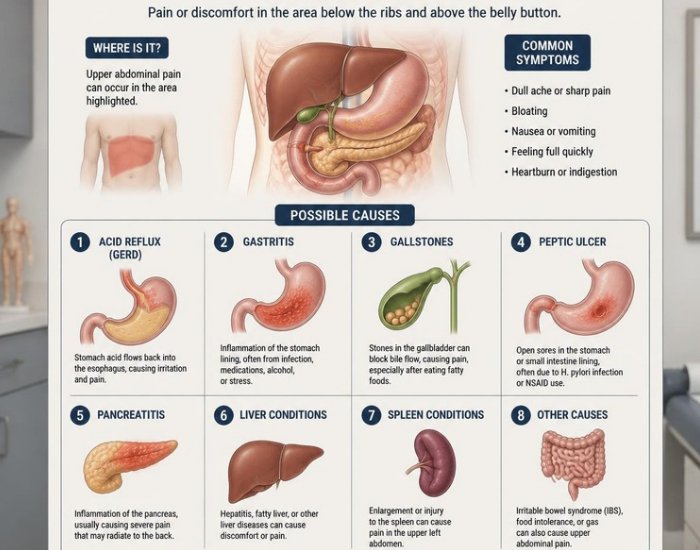
Stomach pain can be confusing because the same uncomfortable feeling may come from something as simple as gas or indigestion—or from a condition that needs prompt medical attention. You may notice a dull ache after eating, cramping that comes and goes, burning in the upper abdomen, bloating, nausea, or pain that seems to appear for no obvious reason. Naturally, the first question is often, “Why does my stomach hurt?”

Table of Contents
- Why Does My Stomach Hurt?
- Common Causes of Stomach Pain
- Where Your Stomach Hurts Can Provide Important Clues
- Symptoms That Can Occur With Stomach Pain
- Why Does My Stomach Hurt After Eating?
- When Should You Worry About Stomach Pain?
- How a Doctor Diagnoses Stomach Pain
- How Is Stomach Pain Treated?
- What You Can Do While Waiting to Be Evaluated
- How to Reduce Your Risk of Recurring Stomach Pain
- When a Primary Care Doctor Can Help
- Stomach Pain Care in Richmond, TX
- Frequently Asked Questions About Stomach Pain
- Medical Disclaimer
Note:
Stomach pain should not automatically make you think the worst, but persistent, severe, or unusual pain deserves attention. In this guide, you will learn how different patterns of stomach pain can relate to digestive problems, infections, food-related issues, medication effects, and other medical conditions. Understanding the warning signs can help you know when it is reasonable to monitor symptoms and when it is time to call a doctor.
Why Does My Stomach Hurt?
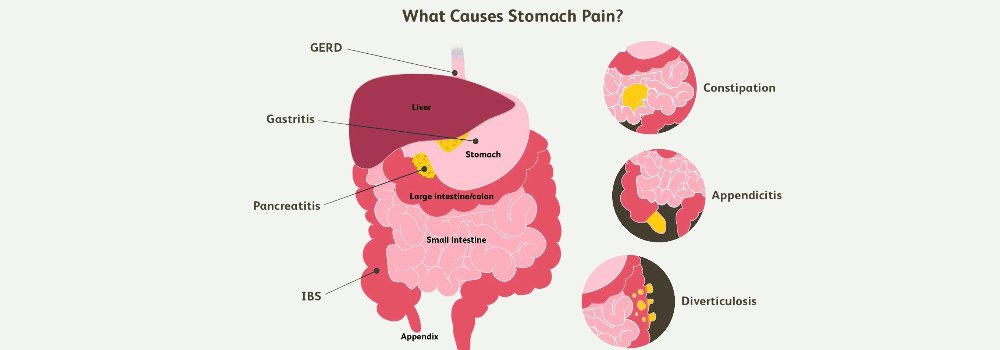
The most common reasons your stomach may hurt include gas, indigestion, constipation, stomach infections, acid reflux, food intolerance, gastritis, and other digestive problems. However, abdominal pain can also come from organs outside the stomach, including the gallbladder, pancreas, liver, kidneys, intestines, reproductive organs, or urinary tract.
That is why the exact location, severity, timing, and pattern of the pain matter. A mild ache that improves after passing gas is very different from sudden severe abdominal pain that keeps getting worse. Likewise, pain that consistently appears after meals may point a doctor toward a different set of possible causes than pain accompanied by fever, vomiting, or changes in bowel movements.
If your stomach hurts once and the discomfort quickly resolves, it may not represent a serious problem. But if the pain keeps returning, interferes with your normal activities, wakes you from sleep, or comes with other concerning symptoms, it is worth having it evaluated rather than repeatedly trying to guess the cause yourself.
Common Causes of Stomach Pain
Stomach pain has many possible causes, and symptoms often overlap. Two people can describe their discomfort in almost identical words while having completely different underlying conditions. A doctor therefore looks at the entire symptom pattern rather than relying on pain alone.
Gas and bloating
Gas is one of the most common explanations for temporary abdominal discomfort. Trapped gas can cause pressure, cramping, fullness, bloating, or sharp pains that move from one area of the abdomen to another. Eating quickly, swallowing air, drinking carbonated beverages, constipation, and certain foods can contribute to increased gas.
Gas-related pain often changes location or improves after passing gas or having a bowel movement. That pattern can be reassuring, although recurring bloating and abdominal pain should still be discussed with a doctor if they are becoming frequent or disruptive.
Indigestion and acid reflux
Indigestion may cause discomfort or burning in the upper abdomen, particularly around meals. Some people also experience early fullness, belching, nausea, or an uncomfortable feeling that their food is sitting heavily in the stomach.
Acid reflux can cause burning behind the breastbone, a sour taste in the mouth, regurgitation, or upper abdominal discomfort. Symptoms may become more noticeable after large meals or when lying down soon after eating.
Constipation
Constipation can cause cramping, abdominal pressure, bloating, and generalized discomfort. You may also notice that bowel movements are less frequent than usual, harder to pass, or require straining.
Sometimes the connection is easy to recognize. Other times, constipation develops gradually and simply feels like unexplained stomach discomfort. If constipation is persistent or occurs with significant pain, vomiting, blood in the stool, or unexplained weight loss, medical evaluation is important.
Stomach virus or gastroenteritis
A viral stomach infection can cause abdominal cramps along with nausea, vomiting, diarrhea, fever, or fatigue. Symptoms may begin relatively suddenly, and other people in your household or workplace may have similar symptoms.
The biggest concern with significant vomiting or diarrhea is dehydration. If you cannot keep fluids down, are urinating very little, feel faint, or become unusually weak, you should seek medical care.
Gastritis
Gastritis refers to inflammation of the stomach lining. It may cause upper abdominal pain, burning, nausea, or discomfort that becomes noticeable around meals.
Several factors can contribute to gastritis, including certain medications, alcohol use, and infection with Helicobacter pylori. Because the appropriate treatment depends on the cause, recurring upper abdominal discomfort should not simply be treated indefinitely with over-the-counter medication without understanding what is causing it.
Food intolerance or sensitivity
Some people notice stomach pain, bloating, diarrhea, or gas after eating particular foods. Lactose intolerance is one example. Other food-related reactions can produce different symptoms and may require a more careful evaluation.
A useful clue is consistency. If the same symptoms repeatedly occur after consuming a particular food, tell your doctor. Keeping a simple food and symptom record for several days can sometimes make patterns easier to identify.
Gallbladder problems
Gallbladder conditions can cause pain in the upper right portion of the abdomen, sometimes after eating a heavy or fatty meal. The discomfort may also spread toward the back or right shoulder. Nausea or vomiting can occur.
Persistent or severe upper-right abdominal pain, particularly when accompanied by fever, jaundice, or repeated vomiting, requires prompt medical assessment.
Kidney stones and urinary problems
Not every pain that feels like stomach pain actually begins in the digestive system. Kidney stones can cause severe pain in the side or back that may travel toward the lower abdomen or groin. Urinary symptoms or blood in the urine may also occur.
A urinary tract infection can cause lower abdominal discomfort, especially when accompanied by burning during urination, urinary urgency, or frequent urination.
Appendicitis
Appendicitis is another reason abdominal pain should not be ignored when it becomes progressively worse. Pain may begin around the belly button and later become more focused in the lower right abdomen. Fever, nausea, vomiting, loss of appetite, and worsening tenderness can occur.
Suspected appendicitis requires urgent medical evaluation rather than waiting several days to see whether symptoms disappear.
Other causes
Abdominal pain may also occur with conditions involving the pancreas, liver, intestines, reproductive system, abdominal muscles, or other structures. In some cases, pain may even be referred from another part of the body.
This is one reason a comprehensive medical history and physical examination are so important. Your doctor is not simply asking, “Where does it hurt?” The goal is to understand what the pain feels like, how it began, what affects it, and what other symptoms are happening at the same time.
If you want to learn more about the broader range of abdominal pain causes and warning signs, read our guide to abdominal pain in adults.
Where Your Stomach Hurts Can Provide Important Clues
The location of abdominal pain can help narrow down possible causes, although location alone cannot provide a diagnosis.
| Pain Location | Possible Causes | What to Notice |
|---|---|---|
| Upper abdomen | Indigestion, reflux, gastritis, gallbladder problems, other digestive conditions | Relationship to meals, burning, nausea, pain under the ribs |
| Lower abdomen | Constipation, urinary problems, intestinal conditions, reproductive conditions | Bowel changes, urinary symptoms, menstrual or pelvic symptoms |
| Right lower abdomen | Appendicitis and other intestinal or pelvic conditions | Worsening pain, fever, nausea, vomiting, tenderness |
| Upper right abdomen | Gallbladder, liver, stomach, or intestinal conditions | Pain after meals, fever, nausea, yellowing of skin or eyes |
| Left or generalized abdomen | Gas, constipation, intestinal conditions and other causes | Bowel habits, bloating, duration and changes in severity |
Think of location as one piece of a much larger puzzle. A doctor also considers your age, medical history, medications, recent meals, bowel and urinary habits, previous surgeries, menstrual history when relevant, and whether the pain is getting better or worse.

Symptoms That Can Occur With Stomach Pain
Stomach pain becomes more meaningful when you consider what happens alongside it. For example, stomach pain with bloating and gas may suggest a different problem than abdominal pain with persistent vomiting or a high fever.
Nausea and vomiting may occur with infections, indigestion, medication-related irritation, gallbladder problems, and several other conditions. Diarrhea may point toward infection, food-related illness, intolerance, or certain intestinal disorders. Constipation, on the other hand, can contribute to pressure and cramping.
Changes in appetite are also worth mentioning. Losing your appetite temporarily while experiencing a stomach virus is common. A persistent loss of appetite, especially when combined with unexplained weight loss or ongoing abdominal discomfort, deserves medical attention.
Blood is another symptom that should never be casually dismissed. Black, tarry stools or visible blood in the stool can indicate gastrointestinal bleeding. Vomiting blood or material that looks like coffee grounds also requires urgent medical assessment.
Note:
Most stomach pain is not an emergency, and having abdominal discomfort does not automatically mean something serious is wrong. At the same time, severe symptoms should not be self-diagnosed from an online article. If your pain is intense, rapidly worsening, persistent, or accompanied by concerning symptoms, getting examined is safer than trying to determine the diagnosis on your own.
Why Does My Stomach Hurt After Eating?
If your stomach hurts after eating, the timing of the discomfort can provide an important clue. Eating stimulates the digestive system, so certain digestive conditions become more noticeable around meals.
Indigestion, acid reflux, gastritis, food intolerance, gas, and overeating can all cause discomfort after eating. A large meal may produce temporary fullness and bloating, while particular foods may trigger symptoms in people with certain intolerances or sensitivities.
The pattern matters. Does the pain begin immediately after eating, or an hour or two later? Does it happen after every meal or only after certain foods? Does it occur after fatty foods? Does lying down make it worse? Is there nausea, diarrhea, heartburn, or bloating?
These details can be surprisingly useful during a medical visit. Instead of simply saying, “My stomach hurts after I eat,” try to describe the timing and accompanying symptoms. That gives your doctor a clearer starting point for determining what should be evaluated.
If stomach pain after eating happens regularly, becomes more severe, or causes you to avoid meals, schedule a medical evaluation. Repeated symptoms are worth investigating rather than simply working around indefinitely.
When Should You Worry About Stomach Pain?
You should seek urgent medical attention for severe or rapidly worsening abdominal pain, particularly when the pain is accompanied by fainting, confusion, severe weakness, difficulty breathing, chest pain, significant bleeding, persistent vomiting, a rigid or very tender abdomen, or other symptoms that make you feel seriously unwell.
Prompt evaluation is also important if abdominal pain occurs with high fever, yellowing of the skin or eyes, blood in the stool, black stools, vomiting blood, significant dehydration, or persistent inability to keep fluids down.
Pregnancy or possible pregnancy can change how abdominal pain should be evaluated. Significant abdominal or pelvic pain during pregnancy should be discussed promptly with a healthcare professional.
Even when symptoms are not an emergency, make an appointment if your stomach pain keeps coming back, lasts longer than expected, interferes with sleep or daily activities, is associated with unexplained weight loss, causes ongoing changes in bowel habits, or simply does not seem to be improving.
The important distinction is not whether every stomachache needs emergency care. It is recognizing when the pattern has changed enough that guessing at the cause is no longer appropriate.
How a Doctor Diagnoses Stomach Pain
There is no single test that explains every case of stomach pain. Diagnosis begins with a conversation and physical examination.
Your doctor may ask when the pain started, exactly where you feel it, whether it is sharp, burning, cramping, pressure-like, or dull, and whether it moves to another area. You may also be asked about meals, bowel movements, urination, medications, alcohol use, previous medical conditions, surgeries, and other symptoms.
During the examination, the doctor may gently press different areas of the abdomen to identify tenderness, guarding, or other findings that could help determine the next step.
Depending on your symptoms and medical history, testing may include blood work, urine testing, stool testing, imaging such as an ultrasound or CT scan, or other diagnostic studies. Not everyone with stomach pain needs every test. The appropriate evaluation depends on the clinical picture.
Sometimes a primary care physician can diagnose and treat the problem directly. In other situations, a referral to a gastroenterologist, surgeon, gynecologist, urologist, or another specialist may be appropriate.
The goal is not to order every possible test. The goal is to identify the most likely causes and choose the safest, most useful next step.
How Is Stomach Pain Treated?
Treatment depends entirely on the underlying cause. There is no universal medicine for “stomach pain” because treating the symptom without understanding the cause can sometimes delay appropriate care.
For mild digestive discomfort, a doctor may recommend changes involving diet, hydration, meal size, meal timing, constipation management, or other lifestyle factors. Certain conditions may benefit from medications that reduce stomach acid, treat infection, relieve constipation, or address another identified problem.
If a bacterial infection such as H. pylori is identified, treatment is different from what would be recommended for simple indigestion. Similarly, gallbladder disease, appendicitis, kidney stones, inflammatory bowel conditions, and other medical problems require their own treatment plans.
This is why repeatedly taking over-the-counter medication without improvement is a reason to speak with a healthcare professional. If the pain keeps returning, the important question becomes not simply “What can I take for this?” but “Why does this keep happening?”
What You Can Do While Waiting to Be Evaluated
If your symptoms are mild and you are otherwise feeling well, pay attention to patterns rather than immediately assuming a diagnosis.
Stay hydrated, especially if you have had vomiting or diarrhea. Avoid meals that you already know consistently trigger discomfort. Eating smaller meals may be more comfortable than very large meals for some people. If constipation seems to be contributing, discuss appropriate ways to improve bowel regularity with a healthcare professional.
It can also help to keep a short symptom record. Write down when the pain occurs, what you ate beforehand, where the pain is located, how long it lasts, what makes it better or worse, and whether you have nausea, vomiting, diarrhea, constipation, fever, urinary symptoms, or other changes.
Do not use an online symptom list to reassure yourself that severe pain is harmless. If symptoms are concerning, an in-person medical assessment is more useful than continued internet searching.
How to Reduce Your Risk of Recurring Stomach Pain
Not every cause of abdominal pain can be prevented, but several everyday habits can support digestive health. Eating a balanced diet, staying adequately hydrated, getting regular physical activity, managing stress, and avoiding foods that consistently trigger symptoms may help reduce recurring discomfort for some people.
Medication use also deserves attention. Some medications can irritate the stomach or affect the digestive system. If you frequently need pain relievers or other over-the-counter medications, ask your doctor or pharmacist whether they could be contributing to your symptoms.
Preventive healthcare matters too. Regular primary care visits give your physician an opportunity to review blood pressure, blood sugar, cholesterol, medications, weight, lifestyle factors, and other health concerns that can affect your overall well-being.
For adults who do not have a regular doctor, establishing an ongoing primary care relationship can make it easier to evaluate new symptoms and monitor health concerns over time.
When a Primary Care Doctor Can Help
A primary care doctor is often a practical first point of contact when stomach pain is persistent, recurring, or difficult to explain. Primary care physicians evaluate a broad range of adult health conditions and can determine whether your symptoms can be managed in the office or whether additional testing or specialist care is needed.
At LifeCare Primary Medical Clinic, adult patients can receive evaluation for new or ongoing health concerns as part of comprehensive primary care. The practice also provides chronic disease management, preventive care, women’s health services, geriatric care, and other medical services.
If your stomach discomfort is part of a larger health concern—such as diabetes, high blood pressure, medication use, changes in weight, or ongoing fatigue—a primary care visit can also help put those symptoms into the broader context of your health.
You can learn more about primary care services at LifeCare Primary Medical Clinic or review the clinic’s sick and well visit services.

Stomach Pain That Keeps Coming Back? Let a Doctor Evaluate It.
If your stomach pain is recurring, persistent, or affecting your daily life, you do not have to keep guessing about the cause. LifeCare Primary Medical Clinic provides adult primary care and medical evaluation in Richmond, TX, with same-day appointments available for many concerns.
Call LifeCare Primary Medical Clinic at 281-712-7757 to schedule an appointment.
7103 South Peek Road, Suite 520, Richmond, TX 77407
Stomach Pain Care in Richmond, TX
For patients in Richmond, Katy, and nearby communities, LifeCare Primary Medical Clinic offers a convenient primary care option for adults who need evaluation of new symptoms or ongoing health concerns. The clinic is led by Dr. Samira Khan, a board-certified internal medicine physician, and provides primary care, chronic disease management, preventive care, women’s health services, geriatric care, and other medical services.
LifeCare accepts many insurance plans, including Medicare and Medicaid, and telehealth services are available when clinically appropriate. Bilingual services in English and Spanish are also available.
If you have been searching for a doctor for stomach pain, a primary care doctor near Richmond, TX, or an internist who can evaluate ongoing abdominal symptoms, calling the clinic is a practical next step when your symptoms are not an emergency but are not resolving on their own.
You can also learn more about the clinic’s internal medicine services or schedule a sick visit.
Frequently Asked Questions About Stomach Pain
Why does my stomach hurt for no reason?
Stomach pain can seem to occur without a clear reason, but common causes include gas, indigestion, constipation, reflux, food intolerance, infection, gastritis, and other digestive or non-digestive conditions. If unexplained pain keeps returning or becomes more severe, a doctor should evaluate the pattern rather than assuming it is harmless.
When should I see a doctor for stomach pain?
See a doctor when stomach pain is persistent, recurring, worsening, interfering with normal activities, or accompanied by symptoms such as unexplained weight loss, ongoing vomiting, significant bowel changes, fever, urinary symptoms, or blood in the stool. Severe or rapidly worsening abdominal pain may require urgent or emergency evaluation.
What causes stomach pain after eating?
Stomach pain after eating can be related to indigestion, acid reflux, gastritis, gas, overeating, food intolerance, gallbladder problems, and other digestive conditions. The timing of the pain and the foods associated with it can provide useful clues for your doctor.
Can gas cause severe stomach pain?
Gas can cause uncomfortable cramping, pressure, bloating, and sometimes sharp abdominal pain. However, severe or persistent abdominal pain should not automatically be blamed on gas, especially when other concerning symptoms are present.
What does stomach pain with bloating mean?
Stomach pain and bloating may occur with gas, constipation, indigestion, food intolerance, and other digestive conditions. If bloating and pain are frequent, worsening, or accompanied by weight loss, bleeding, persistent vomiting, or major bowel changes, medical evaluation is appropriate.
Why does my stomach hurt every time I eat?
Repeated pain with meals can have several causes, including reflux, gastritis, food intolerance, indigestion, gallbladder problems, or other digestive conditions. Because recurring meal-related pain has multiple possible explanations, a medical evaluation can help identify the underlying cause.
Can stress cause stomach pain?
Stress can affect the digestive system and may contribute to abdominal discomfort, changes in bowel habits, bloating, or symptoms associated with functional gastrointestinal conditions. However, stress should not automatically be assumed to be the cause of persistent or severe stomach pain. Other medical causes may need to be ruled out.
Can constipation cause stomach pain?
Yes. Constipation can cause cramping, pressure, bloating, and abdominal discomfort. If constipation is persistent or occurs with severe pain, vomiting, blood in the stool, unexplained weight loss, or other concerning symptoms, speak with a healthcare professional.
What should I do if my stomach hurts and I am vomiting?
If vomiting is persistent or you cannot keep fluids down, medical evaluation is important because dehydration can develop. Seek urgent care for severe abdominal pain, blood in vomit, fainting, severe weakness, confusion, or other serious symptoms.
What doctor should I see for stomach problems?
A primary care doctor or internal medicine physician is often a good starting point for persistent or unexplained stomach pain. They can evaluate your symptoms, order appropriate testing when necessary, and determine whether you need a gastroenterologist or another specialist.
Is stomach pain always a sign of something serious?
No. Many cases of stomach pain are caused by relatively common problems such as gas, indigestion, constipation, or a temporary infection. The important issue is the pattern of symptoms. Severe, persistent, worsening, or unusual pain should be evaluated rather than dismissed.
Can I wait for stomach pain to go away?
Mild, short-lived discomfort without warning signs may improve on its own. However, if the pain persists, repeatedly returns, becomes worse, or is accompanied by concerning symptoms, waiting may not be appropriate. A medical professional can help determine whether evaluation is needed.
Medical Disclaimer
This article is intended for general educational purposes and is not a substitute for an individualized medical evaluation, diagnosis, or treatment plan. Abdominal pain has many possible causes, and symptoms can overlap between conditions. If you have severe, sudden, or worsening abdominal pain or other emergency symptoms, seek immediate medical attention.