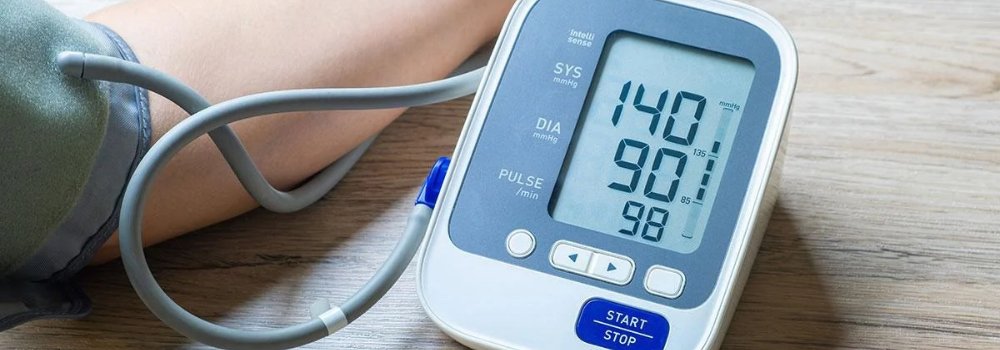
You check your blood pressure and see 140/90. Maybe it happened at a routine physical. Maybe you checked it at home after feeling stressed, tired, or unwell. Either way, the first question is usually the same: Is 140/90 high blood pressure, and should I be worried?
A blood pressure reading of 140/90 is higher than the normal range and should not simply be ignored, especially if similar readings happen repeatedly. But one reading does not tell the whole story. Blood pressure changes throughout the day, and factors such as stress, caffeine, exercise, pain, illness, and even the way the cuff is placed can temporarily raise a reading.
Understanding your numbers can help you decide what to do next without assuming the worst. In this guide, we’ll explain what 140/90 means, how doctors interpret blood pressure readings, when a high reading needs prompt attention, and when it makes sense to schedule an appointment with a primary care doctor.

Table of Contents
- What Does a Blood Pressure of 140/90 Mean?
- Is 140/90 Considered High Blood Pressure?
- Why Both Blood Pressure Numbers Matter
- Does One 140/90 Reading Mean You Have Hypertension?
- What Should You Do If Your Blood Pressure Is 140/90?
- How to Check Your Blood Pressure Correctly at Home
- What Is Normal Blood Pressure by Age?
- Can You Feel When Your Blood Pressure Is 140/90?
- Is 140/90 Dangerous?
- When Should You See a Doctor for High Blood Pressure?
- How Does a Doctor Diagnose High Blood Pressure?
- How Is High Blood Pressure Treated?
- Can a Primary Care Doctor Manage High Blood Pressure?
- High Blood Pressure Care in Richmond, TX
- Frequently Asked Questions
- Final Thoughts
Note:
A blood pressure reading of 140/90 is higher than the normal range, but a single reading does not automatically confirm hypertension. If you repeatedly get readings around 140/90 or higher, talk with a healthcare professional about proper evaluation and monitoring.
What Does a Blood Pressure of 140/90 Mean?
Blood pressure is recorded using two numbers. The first number is the systolic blood pressure, which measures the pressure in your arteries when your heart contracts and pumps blood. The second number is the diastolic blood pressure, which measures the pressure between heartbeats when your heart is resting.
So, if your blood pressure is 140/90 mm Hg, your systolic pressure is 140 and your diastolic pressure is 90.
| Number | What it represents | In a 140/90 reading |
|---|---|---|
| Top number | Systolic pressure | 140 mm Hg |
| Bottom number | Diastolic pressure | 90 mm Hg |
Both numbers matter. A person can have a higher systolic number with a lower diastolic number, or the reverse. Your doctor considers the overall pattern rather than focusing on only one number from one moment.
Is 140/90 Considered High Blood Pressure?
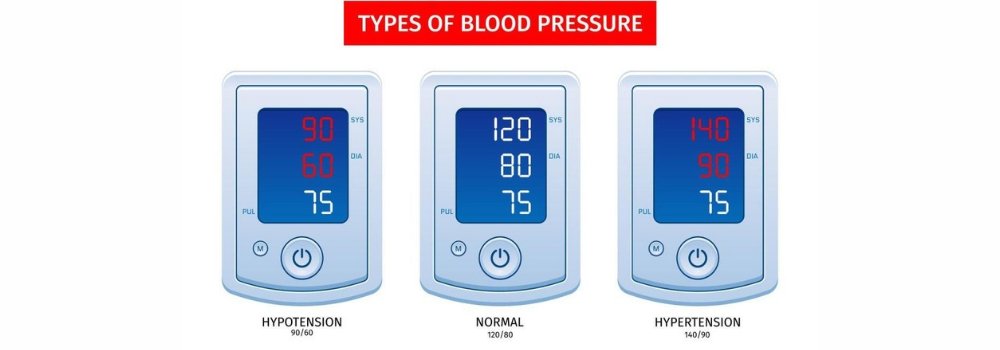
Yes. A reading of 140/90 is considered high blood pressure. It is above the normal blood pressure range and is a reading that deserves attention, particularly when it occurs repeatedly.
However, blood pressure categories can differ slightly depending on the guideline being used and whether the measurement is taken in a medical office or outside the office. That is one reason it is better not to diagnose yourself from a single number on a home monitor or pharmacy machine.
The important point is simple: 140/90 is not a normal blood pressure reading. If you repeatedly see numbers around this level, it is worth discussing them with your primary care doctor.
High blood pressure often develops without noticeable symptoms. You may feel completely normal even when your blood pressure is elevated. That is why routine blood pressure checks and preventive visits are so important.
Why Both Blood Pressure Numbers Matter
It is easy to look at the top number and ignore the bottom number, especially when you are checking your blood pressure quickly. But the two numbers provide different information.
A systolic pressure of 140 means the pressure in your arteries reaches 140 mm Hg when your heart contracts. A diastolic pressure of 90 means the pressure remains at 90 mm Hg between heartbeats.
Either number can be elevated. For example, some adults develop a higher systolic pressure as they get older while their diastolic pressure remains lower. In other situations, the diastolic number may be the more noticeable concern.
Your doctor looks at both values along with your age, medical history, medications, family history, lifestyle factors, and other health measurements.
Does One 140/90 Reading Mean You Have Hypertension?
Not necessarily. One elevated reading is a reason to pay attention, but it does not always establish a diagnosis of hypertension.
Your blood pressure can temporarily increase because you were rushing to an appointment, talking while the measurement was taken, drinking caffeine shortly beforehand, exercising, experiencing pain, feeling anxious, or using an improperly sized cuff.
Some people also have higher readings in a medical office because they feel nervous. This is sometimes called the white coat effect. On the other hand, some people have normal readings in the doctor’s office but higher blood pressure at home or during everyday activities.
For these reasons, your healthcare provider may recommend repeated office measurements, home blood pressure monitoring, or another method of evaluating your blood pressure pattern.
The goal is not to react to one number. The goal is to understand what your blood pressure is doing consistently.
What Should You Do If Your Blood Pressure Is 140/90?
If you see 140/90 once and otherwise feel well, take a moment before assuming something is seriously wrong.
First, sit quietly for several minutes and make sure you are positioned correctly. Keep your back supported, place both feet on the floor, and rest your arm at approximately heart level. Avoid talking during the measurement.
Then take another reading. If the second reading remains elevated, record it rather than repeatedly checking every few minutes.
If readings around 140/90 continue to occur on different days, schedule an appointment with your primary care doctor. Bring your home blood pressure readings and, if possible, your blood pressure monitor so your healthcare team can help determine whether it is measuring accurately.
Don’t Panic Over One Number
Seeing 140/90 can be unsettling, especially if you have never had a high reading before. Try not to repeatedly check your blood pressure out of fear. A calm, properly measured series of readings gives your doctor much more useful information than several measurements taken while you are anxious.
How to Check Your Blood Pressure Correctly at Home
Home blood pressure monitoring can be useful when your doctor wants to understand your usual blood pressure outside the medical office. But technique matters. A poorly performed measurement can give you a number that does not accurately represent your blood pressure.
Before checking your blood pressure, sit quietly for a few minutes. Avoid exercise, smoking, and caffeinated drinks shortly beforehand when possible. Use a validated upper-arm monitor with an appropriately sized cuff.
Keep your back supported and your feet flat on the floor. Your legs should not be crossed. Place your arm on a table or other surface so the cuff is roughly level with your heart.
Remain quiet and still while the monitor is running. Take the reading according to the instructions for your device.
If your healthcare provider asks you to monitor your blood pressure at home, follow their instructions about how often to measure it and when to record the results.
Keeping a written or digital log can be especially helpful. Include the date, time, reading, and any relevant circumstances, such as whether you had just exercised, were sick, or had consumed caffeine.
What Is Normal Blood Pressure by Age?
People often search for a normal blood pressure by age chart because they assume that a higher blood pressure becomes automatically normal as someone gets older. That is not a safe way to interpret your numbers.
Blood pressure does tend to change as people age, and age is one factor doctors consider when evaluating cardiovascular risk. But being older does not mean that a persistently elevated blood pressure should simply be accepted as normal.
Instead of asking whether 140/90 is normal “for your age,” it is more useful to ask whether your blood pressure is consistently above the recommended range and what that means in the context of your overall health.
Your doctor may also consider conditions such as diabetes, kidney disease, heart disease, high cholesterol, obesity, sleep apnea, or a history of cardiovascular problems when deciding how closely your blood pressure should be monitored.
That is why an individualized medical evaluation is more useful than relying on a generic blood pressure chart alone.
Can You Feel When Your Blood Pressure Is 140/90?
Usually, no. High blood pressure frequently causes no obvious symptoms, even when readings are consistently elevated.
This is one of the reasons hypertension is sometimes called a “silent” condition. A person may feel energetic, sleep normally, and have no pain while still having blood pressure that needs treatment.
Some people may report headaches, dizziness, flushing, or other nonspecific symptoms when their blood pressure is elevated, but these symptoms do not reliably tell you what your blood pressure is.
If you want to know your blood pressure, the most reliable approach is to measure it correctly rather than trying to judge it by how you feel.
Is 140/90 Dangerous?
A blood pressure of 140/90 is elevated and should be addressed, but it is not generally considered a hypertensive emergency by itself.
The bigger concern is persistent high blood pressure over time. When blood pressure remains elevated, it can place ongoing strain on the heart and blood vessels and increase the risk of cardiovascular and kidney complications.
That does not mean you should become frightened by a single 140/90 reading. It means repeated elevated readings are worth taking seriously.
There is an important distinction between high blood pressure that needs routine medical evaluation and severely elevated blood pressure accompanied by concerning symptoms.
If your blood pressure is severely elevated and you have symptoms such as chest pain, trouble breathing, severe headache, confusion, weakness or numbness, vision changes, or difficulty speaking, seek emergency medical attention rather than waiting for a routine appointment.
If you have a very high reading without symptoms, repeat the measurement after resting and contact a healthcare professional for guidance, particularly if the reading remains severely elevated.
When Should You See a Doctor for High Blood Pressure?
If your blood pressure is repeatedly around 140/90 or higher, it is reasonable to make an appointment with a primary care doctor.
You should also discuss your blood pressure with a healthcare professional if your readings have been gradually increasing, you have a strong family history of hypertension or heart disease, or you have other conditions that increase cardiovascular risk.
A doctor’s visit is especially useful when you are unsure whether your home monitor is accurate or you are getting very different readings at home compared with the medical office.
Do not wait for symptoms before seeking evaluation. High blood pressure can remain unnoticed for years while still affecting long-term health.
How Does a Doctor Diagnose High Blood Pressure?
Diagnosing hypertension involves more than looking at one isolated reading.
Your doctor will usually review your blood pressure measurements over time and ask about your health history. They may ask about medications, supplements, diet, physical activity, sleep, stress, alcohol use, smoking, family history, and other factors that can affect blood pressure.
Depending on your situation, your healthcare provider may also recommend blood tests or other evaluations to look for cardiovascular risk factors or conditions that may contribute to high blood pressure.
For some patients, home blood pressure monitoring can help distinguish persistent hypertension from temporary elevations or office-related increases.
The purpose of the evaluation is not simply to label a number. It is to determine whether your blood pressure is consistently elevated and what treatment or monitoring approach is appropriate for you.
How Is High Blood Pressure Treated?
Treatment depends on how high your blood pressure is, whether it remains elevated over time, your overall cardiovascular risk, and whether you have other medical conditions.
Lifestyle changes are often part of blood pressure management. These may include reducing excess sodium, eating a balanced diet, maintaining a healthy weight, staying physically active, limiting alcohol, avoiding tobacco, managing stress, and getting adequate sleep.
For some people, lifestyle changes may be enough to improve blood pressure. Others may need prescription medication in addition to lifestyle measures.
There are several types of blood pressure medications, and the right choice depends on your individual health needs. Your doctor may also adjust treatment over time based on your response.
If you are already taking medication for hypertension, do not stop it simply because one reading looks better. Likewise, do not change your dose without discussing it with your healthcare provider.
For patients who need ongoing management, regular follow-up can help identify whether treatment is working and whether adjustments are necessary.
If you want more information about managing hypertension, you can also review LifeCare’s guide on how to control high blood pressure.
Can a Primary Care Doctor Manage High Blood Pressure?
Yes. Primary care doctors commonly evaluate, diagnose, monitor, and treat high blood pressure.
A primary care visit can be a good starting point if you have noticed repeated readings such as 140/90. Your doctor can review your measurements, check for other cardiovascular risk factors, discuss lifestyle changes, and determine whether medication or additional testing may be appropriate.
Primary care also matters because blood pressure rarely exists in isolation. Your provider may need to consider blood sugar, cholesterol, weight, kidney health, medications, sleep, and other aspects of your overall health.
If you already have conditions such as diabetes or heart disease, controlling blood pressure may become an especially important part of your long-term care plan.
For ongoing care, it can be helpful to have one medical team that knows your history and can monitor changes over time rather than treating each elevated reading as an isolated event.
High Blood Pressure Care in Richmond, TX
If you are repeatedly seeing blood pressure readings around 140/90 and want to understand what they mean, LifeCare Primary Medical Clinic in Richmond, TX, can help you take the next step.
Our primary care and internal medicine team provides evaluation and ongoing management for adults with hypertension and other chronic health conditions. A visit can include a review of your blood pressure history, discussion of home readings, assessment of cardiovascular risk factors, and development of an appropriate care plan.
LifeCare also provides chronic disease management for conditions that often need to be monitored alongside high blood pressure.
Repeatedly Getting 140/90?
Don’t ignore a pattern of elevated blood pressure. Talk with a primary care professional who can review your numbers and help determine what to do next.
Call LifeCare Primary Medical Clinic at 281-712-7757 to schedule an appointment.
7103 South Peek Road, Suite 520, Richmond, TX 77407
LifeCare serves patients in Richmond, Katy, and nearby communities, with primary care and internal medicine services for adults. Telehealth options may also be available when appropriate.
Frequently Asked Questions
Is 140/90 high blood pressure?
Yes. A blood pressure reading of 140/90 is higher than the normal range. One reading does not necessarily confirm hypertension, but repeated readings around this level should be discussed with a healthcare professional.
Is 140/90 dangerous?
140/90 is elevated and should not be ignored, especially when it occurs repeatedly. It is not usually considered a hypertensive emergency by itself. Severely elevated blood pressure accompanied by symptoms such as chest pain, difficulty breathing, confusion, weakness, vision changes, or difficulty speaking requires emergency medical attention.
What should I do if my blood pressure is 140/90?
Rest quietly and repeat the measurement using proper technique. If readings remain around 140/90 on different occasions, keep a record and schedule an appointment with your primary care doctor for evaluation.
Is 140/90 normal for an older adult?
Age can affect blood pressure, but being older does not automatically make 140/90 a normal reading. Your healthcare provider should interpret your blood pressure based on your age, medical history, overall health, and repeated measurements.
Can stress temporarily cause a blood pressure reading of 140/90?
Yes. Stress and anxiety can temporarily raise blood pressure. Exercise, caffeine, pain, illness, and improper measurement technique can also affect a reading. If elevated numbers continue after you are calm and properly positioned, discuss them with your doctor.
How often should I check my blood pressure at home?
There is no single schedule that is right for everyone. If your doctor recommends home monitoring, follow the schedule they provide. Keeping consistent records can help your healthcare team understand your usual blood pressure pattern.
What is a normal blood pressure reading?
For most adults, a normal blood pressure is below 120/80 mm Hg. Blood pressure should be interpreted in context, and your healthcare provider can explain what your individual readings mean.
Can high blood pressure cause headaches?
High blood pressure often causes no symptoms. Headaches can occur for many reasons and are not a reliable way to determine whether your blood pressure is elevated. Measuring your blood pressure is the better way to know.
What doctor should I see for blood pressure of 140/90?
A primary care doctor or internal medicine physician is an appropriate starting point. They can evaluate repeated elevated readings, assess cardiovascular risk factors, discuss lifestyle changes, and determine whether medication or additional evaluation is needed.
Final Thoughts
So, is 140/90 high blood pressure? Yes. It is an elevated reading that deserves attention, particularly if you see it repeatedly.
But one number should not automatically send you into panic. Blood pressure changes, and the circumstances surrounding the measurement matter. The most useful next step is to recheck it correctly, keep track of repeated readings, and talk with a healthcare professional if the numbers remain elevated.
High blood pressure is manageable for many people, especially when it is identified early and followed consistently. You do not have to figure out what your numbers mean on your own.
Need Help Understanding Your Blood Pressure?
If you are repeatedly getting readings around 140/90, LifeCare Primary Medical Clinic can help you understand your numbers and determine whether further evaluation or treatment is needed.
Call 281-712-7757 to schedule your appointment in Richmond, TX.
Medical Disclaimer: This article is for general educational purposes and is not a substitute for medical diagnosis or treatment. Blood pressure readings should be interpreted in the context of your individual health history. If you have severely elevated blood pressure or concerning symptoms such as chest pain, difficulty breathing, confusion, weakness, vision changes, or difficulty speaking, seek emergency medical care.