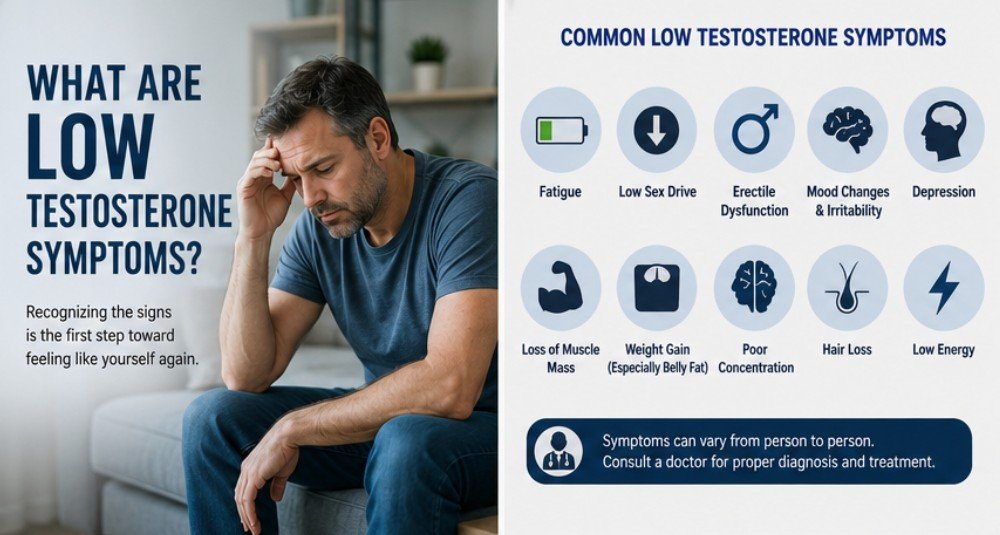
Feeling exhausted even after a full night’s sleep? Finding it harder to build muscle despite regular exercise? Noticing a lower sex drive, mood changes, or difficulty concentrating? While these symptoms can have many possible causes, they may also point to a common but often overlooked condition—low testosterone.
Testosterone plays a vital role in men’s health throughout adulthood. It’s involved in much more than sexual function. This hormone helps regulate energy levels, muscle mass, bone strength, red blood cell production, mood, memory, and overall well-being. When testosterone levels decline below what’s considered healthy for your age and overall health, the effects can extend into nearly every aspect of daily life.
Because many symptoms develop gradually, they’re often mistaken for normal aging, stress, or simply being busy. As a result, many men live with untreated low testosterone for months or even years before seeking medical advice.
In this comprehensive guide, you’ll learn how to recognize the symptoms of low testosterone, understand what causes testosterone levels to fall, discover how doctors diagnose the condition, and explore treatment options that may help restore your quality of life.
Important Note
Experiencing one or two symptoms doesn’t automatically mean your testosterone is low. Fatigue, reduced energy, weight gain, and mood changes can result from many different medical conditions. Understanding the complete pattern of symptoms—and knowing when to seek professional evaluation—can help you receive the right diagnosis and avoid unnecessary worry.
Table of Contents
- What Is Testosterone?
- What Are the Symptoms of Low Testosterone?
- Physical Symptoms
- Mental and Emotional Symptoms
- Sexual Health Symptoms
- What Causes Low Testosterone?
- Who Is Most at Risk?
- When Should You See a Doctor?
- How Low Testosterone Is Diagnosed
- Treatment Options
- Can Low Testosterone Be Prevented?
- Frequently Asked Questions
What Is Testosterone?
Testosterone is the primary male sex hormone, although women also produce small amounts. In men, it’s mainly produced in the testicles under the control of the brain’s pituitary gland and hypothalamus. Testosterone levels naturally rise during puberty, helping boys develop deeper voices, facial hair, increased muscle mass, and reproductive maturity.
Throughout adulthood, testosterone continues to support numerous body functions. Healthy testosterone levels contribute to muscle strength, healthy bones, normal sexual function, sperm production, red blood cell formation, mental clarity, confidence, and overall energy.
Beginning around age 30, testosterone levels gradually decline in many men. A slow decrease is considered a normal part of aging, but some men experience a more significant drop that leads to noticeable symptoms and affects their quality of life.
This condition is commonly referred to as low testosterone, Low T, or testosterone deficiency.
What Are the Symptoms of Low Testosterone?
The symptoms of low testosterone can vary from one person to another. Some men primarily notice changes in their energy or mood, while others become concerned because of sexual health issues or difficulty maintaining muscle mass.
Most men experience several symptoms rather than just one. The severity often depends on how low testosterone levels have fallen, how quickly the decline occurred, age, and the presence of other health conditions.
Let’s look at the most common signs in greater detail.
Physical Symptoms of Low Testosterone
Persistent Fatigue
One of the earliest and most frequently reported symptoms is ongoing fatigue. Men with low testosterone often describe feeling tired throughout the day, even after getting adequate sleep.
This isn’t simply feeling sleepy after a busy week. Many describe a constant lack of physical energy that makes routine activities feel more difficult than they used to.
If you’ve found yourself relying on extra coffee, struggling to finish workouts, or lacking motivation for daily tasks, it’s worth discussing these changes with your healthcare provider—especially if they’re accompanied by other symptoms.
Reduced Muscle Mass and Strength
Testosterone plays a major role in building and maintaining lean muscle tissue. When hormone levels decline, many men notice they lose muscle more easily, recover more slowly after exercise, and have greater difficulty gaining strength despite regular workouts.
You may feel as though you’re putting in the same effort at the gym but seeing fewer results than you did several years ago.
Increased Body Fat
Another common complaint is gradual weight gain, particularly around the abdomen. While diet and physical activity remain important factors, hormonal changes can influence how the body stores fat and burns calories.
Some men also notice enlargement of breast tissue, a condition known as gynecomastia, which can occur when hormone balance shifts.
Decreased Physical Endurance
Activities that once felt easy may suddenly leave you feeling winded or physically drained. Whether it’s climbing stairs, playing sports, or completing household projects, reduced endurance may develop slowly over time.
Although cardiovascular disease, lung conditions, and poor fitness can produce similar symptoms, low testosterone should also be considered when fatigue occurs alongside other hormone-related changes.
Quick Overview of Common Physical Symptoms
| Symptom | How It May Feel |
|---|---|
| Fatigue | Low energy despite adequate rest |
| Muscle loss | Reduced strength and slower recovery |
| Weight gain | Increased abdominal fat |
| Reduced stamina | Feeling physically exhausted more easily |
Mental and Emotional Symptoms of Low Testosterone
Low testosterone doesn’t only affect the body—it can also influence emotional well-being and cognitive function. Many men are surprised to learn that hormone levels can affect mood, motivation, and mental sharpness.
Difficulty Concentrating
Some men describe experiencing “brain fog,” where focusing at work, remembering details, or making decisions becomes more difficult than before. While occasional forgetfulness happens to everyone, persistent mental sluggishness combined with fatigue and other symptoms deserves medical attention.
Mood Changes
Testosterone influences several brain chemicals involved in mood regulation. As levels decline, some individuals become more irritable, less motivated, or emotionally sensitive.
Others report feeling unusually discouraged, less confident, or less interested in hobbies they previously enjoyed.
Low Motivation
Many men with testosterone deficiency describe a gradual loss of drive. Goals that once felt exciting may no longer generate the same enthusiasm, and completing everyday responsibilities may seem mentally exhausting.
Because these symptoms overlap with depression, chronic stress, thyroid disorders, sleep apnea, and other medical conditions, professional evaluation is essential rather than assuming hormones are the only cause.

Important Note
Feeling tired, less motivated, or emotionally different doesn’t necessarily mean you have low testosterone. Many medical conditions—including thyroid disorders, vitamin deficiencies, diabetes, depression, poor sleep, and chronic stress—can produce similar symptoms. Rather than trying to diagnose yourself, think of these changes as your body’s way of signaling that it’s time for a comprehensive health evaluation.
Sexual Health Symptoms of Low Testosterone
One of testosterone’s most well-known roles involves male sexual health. Although sexual concerns can have many causes—including stress, medications, cardiovascular disease, and relationship factors—low testosterone is an important possibility when multiple symptoms occur together.
Reduced Sex Drive
A noticeable decline in libido is often one of the first reasons men seek medical care. Many describe simply having less interest in sexual activity than they once did. This change often develops gradually, making it difficult to recognize until it begins affecting relationships or quality of life.
Erectile Difficulties
Testosterone contributes to healthy sexual function, but it’s important to understand that not every case of erectile dysfunction is caused by low testosterone. Blood vessel health, nerve function, certain medications, diabetes, and psychological factors frequently play a larger role.
However, when erectile difficulties occur alongside fatigue, reduced libido, muscle loss, and mood changes, hormone testing may be recommended as part of a complete evaluation.
Fewer Morning Erections
Healthy testosterone levels help support normal spontaneous morning erections. A gradual decrease in their frequency—especially when accompanied by other symptoms—can sometimes provide another clue that testosterone levels should be evaluated.
PART 2
What Causes Low Testosterone?
Many people assume low testosterone is simply a normal part of getting older, but that’s only part of the story. While testosterone levels naturally decline with age, a significant drop that causes symptoms often has an underlying medical or lifestyle-related cause.
Understanding why testosterone levels decrease is important because treating the underlying issue may improve symptoms without the need for long-term hormone therapy.
Age-Related Hormonal Changes
Beginning around age 30, testosterone production gradually decreases by about 1% each year for many men. This slow decline doesn’t always cause noticeable symptoms, but some individuals experience a more rapid decrease that affects energy, sexual health, muscle strength, and overall well-being.
Obesity
Excess body fat, particularly around the abdomen, is strongly associated with lower testosterone levels. Fat tissue can influence hormone metabolism, creating a cycle where lower testosterone contributes to weight gain, and additional weight further suppresses hormone production.
Chronic Medical Conditions
Several health conditions can interfere with testosterone production or hormone regulation, including:
- Type 2 diabetes
- Metabolic syndrome
- Chronic kidney disease
- Liver disease
- Sleep apnea
- Pituitary gland disorders
- Thyroid disorders
- Certain genetic conditions
Managing these underlying conditions often plays an important role in improving hormone balance and overall health.
Medications
Some prescription medications can contribute to lower testosterone levels. Long-term opioid pain medications, corticosteroids, certain chemotherapy drugs, and some treatments for prostate conditions may affect hormone production.
If you suspect a medication is contributing to your symptoms, never stop taking it without first discussing your concerns with your healthcare provider.
Poor Sleep and Chronic Stress
Quality sleep is essential for healthy testosterone production. In fact, much of the body’s daily testosterone release occurs during sleep. Chronic sleep deprivation, untreated sleep apnea, and ongoing psychological stress can all contribute to declining hormone levels.

Who Is Most at Risk for Low Testosterone?
Although any adult male can develop testosterone deficiency, certain factors increase the likelihood of experiencing low testosterone symptoms.
You may have a higher risk if you:
- Are over age 40
- Have obesity or excess abdominal weight
- Have diabetes or insulin resistance
- Experience chronic stress
- Have untreated sleep apnea
- Take long-term opioid medications
- Have had testicular injury or surgery
- Have pituitary gland disorders
- Have chronic kidney or liver disease
Having one or more risk factors doesn’t necessarily mean you’ll develop low testosterone. However, if these risk factors occur alongside persistent symptoms, discussing hormone testing with your healthcare provider may be appropriate.
When Should You See a Doctor?
It’s normal to feel tired after a stressful week or notice occasional fluctuations in mood or sexual desire. However, symptoms that persist for weeks or months shouldn’t be dismissed as “just getting older.”
Consider scheduling a medical evaluation if you experience:
- Persistent fatigue that doesn’t improve with rest
- Reduced sex drive
- Erectile difficulties
- Loss of muscle despite exercise
- Unexplained weight gain
- Difficulty concentrating
- Depressed mood or irritability
- Reduced physical endurance
Early evaluation is important because many conditions—including thyroid disease, diabetes, anemia, vitamin deficiencies, depression, and sleep disorders—can produce symptoms that closely resemble low testosterone.
How Is Low Testosterone Diagnosed?
Diagnosing low testosterone involves much more than checking a single blood test. Your healthcare provider will begin by discussing your symptoms, reviewing your medical history, performing a physical examination, and evaluating possible contributing conditions.
If testosterone deficiency is suspected, blood testing is typically performed early in the morning, when testosterone levels are naturally highest.
Your provider may recommend:
- Total testosterone level
- Free testosterone level (when appropriate)
- Luteinizing hormone (LH)
- Follicle-stimulating hormone (FSH)
- Prolactin level
- Complete blood count (CBC)
- Thyroid function tests
- Blood glucose or A1C
- Lipid profile
Because testosterone levels naturally fluctuate, your provider may repeat testing on another morning before confirming the diagnosis.
Common Symptoms That May Prompt Testosterone Testing
| Symptom | Should It Be Evaluated? |
|---|---|
| Persistent fatigue | Yes |
| Low libido | Yes |
| Loss of muscle mass | Yes |
| Mood changes | Yes, especially if persistent |
| Weight gain | May warrant evaluation with other symptoms |
Treatment Options for Low Testosterone
Treatment depends on both your symptoms and your laboratory results. Not every man with a slightly low testosterone level requires hormone therapy, and not every symptom is caused by testosterone deficiency.
Lifestyle Changes
For some men, improving overall health can positively influence testosterone levels. Maintaining a healthy weight, exercising regularly—especially with resistance training—getting enough sleep, limiting alcohol, managing stress, and eating a balanced diet all support hormone health.
Treating Underlying Conditions
If another medical condition is contributing to low testosterone symptoms, addressing that condition may improve hormone balance. Managing diabetes, treating sleep apnea, correcting thyroid disorders, or adjusting certain medications may be part of the treatment plan.
Testosterone Replacement Therapy (TRT)
For men with confirmed testosterone deficiency and persistent symptoms, testosterone replacement therapy (TRT) may be recommended. Treatment options include injections, gels, patches, pellets, or other physician-guided therapies.
TRT is not appropriate for everyone. Your healthcare provider will carefully review your medical history, discuss potential benefits and risks, and monitor you regularly during treatment.
Routine follow-up appointments and blood work help ensure treatment remains both safe and effective.
Can Low Testosterone Be Prevented?
Although age-related hormone decline can’t be completely prevented, healthy lifestyle choices may help support normal testosterone production and reduce the risk of developing symptoms.
Helpful habits include:
- Maintaining a healthy body weight
- Getting seven to nine hours of quality sleep each night
- Strength training several times per week
- Managing chronic medical conditions
- Reducing excessive alcohol intake
- Avoiding tobacco products
- Scheduling routine preventive healthcare visits
Regular medical checkups also make it easier to identify hormone changes and other health concerns before they begin affecting your daily life.
Comprehensive Men’s Health Care in Richmond, TX
If you’re experiencing persistent fatigue, reduced sex drive, unexplained weight gain, mood changes, or other possible low testosterone symptoms, an evaluation by an experienced primary care provider can help determine the underlying cause.
At Lifecare Primary Medical in Richmond, TX, we take a comprehensive approach to men’s health. Rather than focusing on a single symptom, we evaluate your overall health, review possible contributing medical conditions, order appropriate laboratory testing, and develop an individualized treatment plan based on your needs.
You may also find these services helpful:

Frequently Asked Questions
What are the first signs of low testosterone?
Many men first notice reduced energy, lower sex drive, increased fatigue, difficulty building muscle, or changes in mood before other symptoms become obvious.
Can low testosterone cause weight gain?
Yes. Lower testosterone levels can contribute to increased body fat, particularly around the abdomen, although diet, exercise, and other medical conditions also play important roles.
At what age does testosterone start to decline?
Testosterone generally begins declining gradually after age 30, although the rate of decline varies from person to person.
Can stress lower testosterone?
Chronic stress may contribute to lower testosterone levels by increasing cortisol, a hormone that can interfere with normal testosterone production.
Is low testosterone treatable?
Yes. Depending on the cause, treatment may include lifestyle changes, managing underlying health conditions, or testosterone replacement therapy when medically appropriate.
Can I increase testosterone naturally?
Healthy sleep, regular resistance exercise, maintaining a healthy weight, eating a nutritious diet, and managing stress may help support healthy testosterone levels, although these approaches may not replace medical treatment when true testosterone deficiency is present.
Final Thoughts
Low testosterone symptoms often develop gradually, making them easy to overlook or attribute to aging, stress, or a busy lifestyle. However, persistent fatigue, reduced sex drive, muscle loss, mood changes, difficulty concentrating, and unexplained weight gain shouldn’t be ignored—especially when several symptoms occur together.
A comprehensive medical evaluation can identify whether testosterone deficiency or another underlying health condition is responsible. Early diagnosis allows for personalized treatment that may improve energy, physical performance, sexual health, and overall quality of life.
Medical Disclaimer
This article is intended for educational purposes only and should not replace professional medical advice, diagnosis, or treatment. If you’re experiencing symptoms that may be related to low testosterone or another medical condition, consult a qualified healthcare provider for a personalized evaluation and treatment recommendations.