Feeling unusually down, emotionally disconnected, or constantly exhausted can be confusing—especially when there’s no obvious reason why. Many men assume these changes are simply the result of stress, getting older, or a demanding lifestyle. While those factors certainly matter, hormones can also play an important role in emotional well-being.
One of the most common questions healthcare providers hear is, “Will low testosterone cause depression?” The short answer is that it can contribute to depressive symptoms in some men, but it isn’t the only possible cause. Depression is a complex medical condition influenced by genetics, brain chemistry, physical health, life experiences, medications, and hormone levels. Low testosterone is one piece of that larger picture.
Understanding the relationship between testosterone and mental health is important because the symptoms often overlap. Fatigue, low motivation, poor concentration, reduced interest in activities, and changes in sexual health may all be associated with low testosterone, depression, or both. Identifying the true cause is the first step toward effective treatment.
In this guide, we’ll explain how testosterone affects the brain, explore the connection between low testosterone and depression, discuss other conditions that can cause similar symptoms, and review when it’s time to seek medical evaluation.
Important Note
Depression is a real medical condition—not a sign of weakness—and it should never be ignored. Likewise, low testosterone doesn’t automatically mean someone will become depressed. If you’ve noticed persistent sadness, loss of motivation, or significant changes in your energy and mood, a comprehensive medical evaluation can help determine whether hormone levels, another health condition, or depression itself is contributing to your symptoms.
Table of Contents
- Can Low Testosterone Cause Depression?
- How Testosterone Affects the Brain
- Symptoms That May Suggest Both Conditions
- Depression vs. Low Testosterone: How Are They Different?
- Other Causes of Depression
- When Should You See a Doctor?
- How Doctors Diagnose the Cause
- Treatment Options
- Frequently Asked Questions
Can Low Testosterone Cause Depression?
The answer is yes—but with an important qualification.
Low testosterone can contribute to symptoms commonly associated with depression, including low mood, reduced motivation, fatigue, irritability, difficulty concentrating, and a loss of interest in activities that once felt enjoyable. However, not everyone with low testosterone develops depression, and not every person with depression has low testosterone.
Instead of thinking about testosterone as the direct cause of depression, it’s more accurate to view it as one of several factors that can influence emotional health.
Research has shown that men with testosterone deficiency are more likely to report depressive symptoms than men with normal hormone levels. The association appears to be strongest in men who also experience fatigue, reduced sex drive, poor sleep, and declining physical function.
It’s also important to remember that depression itself can affect hormone levels, appetite, sleep quality, exercise habits, and sexual function. Because these conditions influence one another, determining which problem came first isn’t always straightforward.

How Testosterone Affects the Brain
Most people think of testosterone as the hormone responsible for muscle growth, facial hair, and sexual health. While those functions are certainly important, testosterone also plays a significant role inside the brain.
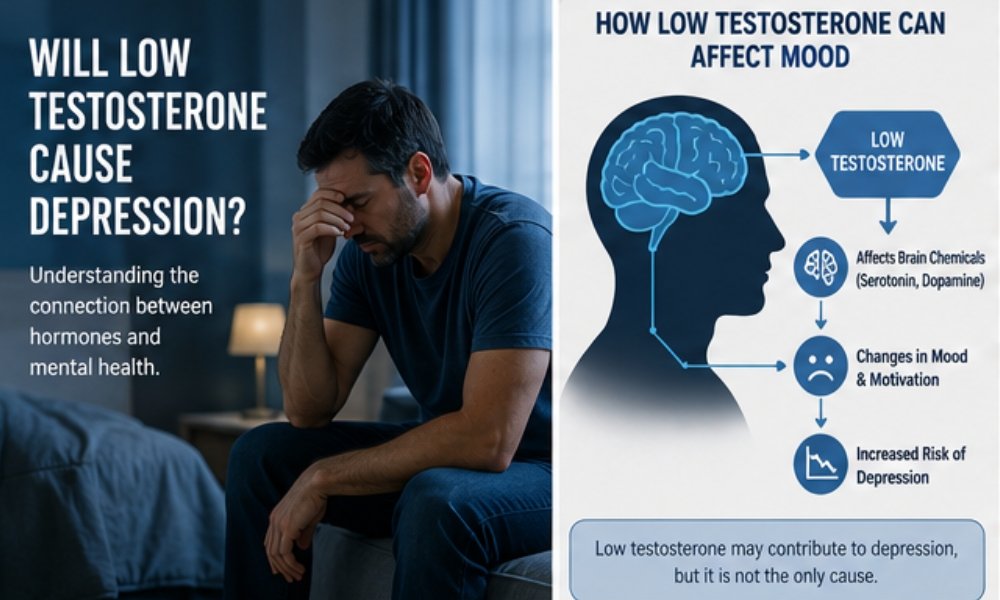
Brain cells contain testosterone receptors in several regions involved in mood, memory, motivation, and emotional regulation. Healthy testosterone levels help support communication between nerve cells and influence the activity of important neurotransmitters such as dopamine and serotonin, which contribute to feelings of motivation, pleasure, and emotional stability.
When testosterone levels decline significantly, these brain pathways may not function as efficiently. Some men notice they feel emotionally “flat,” less confident, or less interested in hobbies, work, or social activities. Others describe difficulty making decisions, increased irritability, or a sense that they simply “don’t feel like themselves.”
These emotional changes don’t necessarily mean clinical depression is present, but they may indicate that hormone levels deserve further evaluation—especially when accompanied by physical symptoms.
Sleep also plays an important role in this relationship. Low testosterone can contribute to poor sleep quality, while inadequate sleep can further reduce testosterone production. This creates a cycle in which fatigue, mood changes, and hormonal imbalance reinforce one another.
Symptoms That May Suggest Both Low Testosterone and Depression
One of the reasons diagnosis can be challenging is that low testosterone and depression share many symptoms. Someone experiencing either condition may report similar concerns, making laboratory testing and a thorough medical evaluation essential.
Common overlapping symptoms include:
- Persistent fatigue
- Loss of motivation
- Difficulty concentrating
- Poor memory or “brain fog”
- Reduced interest in hobbies
- Sleep disturbances
- Lower self-confidence
- Reduced sexual desire
- Decreased physical activity
- Feelings of sadness or emotional numbness
Because these symptoms develop gradually, many men assume they’re simply part of aging or a stressful period of life. In reality, they may signal an underlying medical issue that deserves professional attention.
Symptoms Commonly Shared by Both Conditions
| Symptom | Low Testosterone | Depression |
|---|---|---|
| Fatigue | ✔ | ✔ |
| Low motivation | ✔ | ✔ |
| Poor concentration | ✔ | ✔ |
| Reduced libido | Very Common | Can Occur |
| Muscle loss | Common | Less Common |
Depression vs. Low Testosterone: How Are They Different?
Although these conditions share many similarities, there are also important differences that help healthcare providers determine the underlying cause.
Men with low testosterone often notice physical symptoms in addition to mood changes. These may include decreased muscle mass, increased body fat, reduced strength, fewer morning erections, and a lower sex drive. Depression, on the other hand, is more likely to cause persistent feelings of hopelessness, excessive guilt, loss of pleasure in nearly all activities, changes in appetite, and ongoing sadness that affects multiple areas of daily life.
That said, there is considerable overlap. Someone can have both conditions at the same time, which is why healthcare providers typically evaluate physical symptoms, emotional health, medical history, medications, sleep quality, and hormone levels before recommending treatment.
No one should assume that depression is “just hormones,” nor should they assume every symptom is purely psychological. A careful evaluation helps identify the real cause and ensures the most appropriate treatment plan.
Important Note
If you’ve been feeling emotionally different for several weeks—or you’ve noticed sadness, anxiety, low motivation, or fatigue that isn’t improving—try not to diagnose yourself based on internet searches alone. Depression, hormone imbalances, thyroid disease, sleep disorders, and several other medical conditions can produce remarkably similar symptoms. Getting evaluated early often leads to faster answers and more effective treatment.
If It’s Not Low Testosterone, What Else Can Cause Depression?
Although testosterone deficiency can contribute to mood changes, it’s important to remember that depression is a complex medical condition with many possible causes. Focusing only on hormone levels could delay the diagnosis of another health issue that also deserves treatment.
Healthcare providers often evaluate several factors before concluding that low testosterone is contributing to depression. These include your medical history, current medications, sleep quality, stress levels, lifestyle habits, and any underlying medical conditions.
Some of the most common causes or contributors to depression include:
- Chronic stress or burnout
- Anxiety disorders
- Sleep deprivation or obstructive sleep apnea
- Thyroid disorders
- Vitamin B12 or vitamin D deficiency
- Diabetes and other chronic medical conditions
- Certain prescription medications
- Alcohol or substance misuse
- Major life events such as grief, divorce, or job loss
- A family history of depression or other mental health conditions
It’s also possible for more than one condition to exist at the same time. For example, someone may have mild testosterone deficiency, untreated sleep apnea, and clinical depression—all contributing to fatigue and low mood.
This is why a comprehensive medical evaluation is much more valuable than relying on a single symptom or laboratory result.
Who Is More Likely to Experience Low Testosterone and Depression?
Certain factors increase the likelihood of developing both testosterone deficiency and depression. While these risk factors don’t guarantee you’ll experience either condition, they can increase the importance of early evaluation if symptoms appear.
Risk factors include:
- Age over 40
- Obesity or excess abdominal weight
- Type 2 diabetes
- Poor sleep quality or sleep apnea
- Chronic stress
- Physical inactivity
- Long-term opioid medication use
- Chronic kidney or liver disease
- Certain pituitary gland disorders
- A personal or family history of depression
Many of these conditions are treatable. Addressing them may improve both hormone health and emotional well-being.
When Should You See a Doctor?
Feeling sad or emotionally drained from time to time is a normal part of life. However, symptoms that persist for more than two weeks, interfere with work or relationships, or continue worsening shouldn’t be ignored.
You should consider scheduling an appointment if you experience:
- Persistent sadness or hopelessness
- Fatigue that doesn’t improve with rest
- Loss of interest in hobbies or social activities
- Reduced sex drive
- Difficulty concentrating
- Unexplained weight gain or muscle loss
- Sleep disturbances
- Irritability or emotional changes
- Erectile difficulties along with other hormone-related symptoms
Seeking medical advice doesn’t automatically mean you’ll need medication or hormone therapy. In many cases, identifying the underlying cause is the most important first step toward feeling better.
How Doctors Determine Whether Low Testosterone Is Contributing to Depression
Diagnosing the cause of depression-like symptoms requires looking at the whole person—not just a laboratory value. Your healthcare provider will ask detailed questions about your symptoms, medical history, medications, sleep habits, stress levels, and overall health.
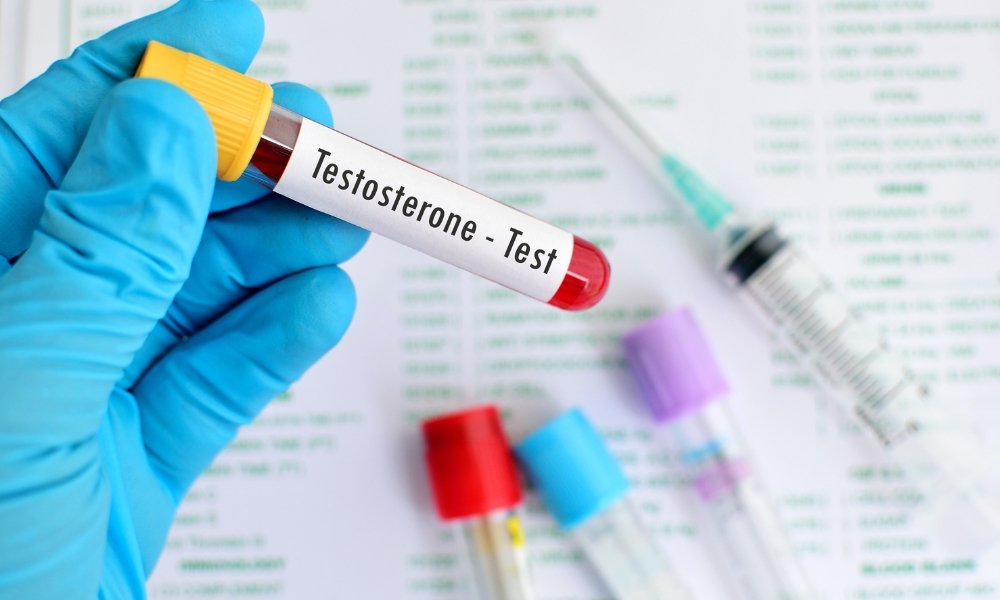
If testosterone deficiency is suspected, blood testing is typically performed in the early morning, when testosterone levels are naturally highest.
Your evaluation may include:
- Total testosterone level
- Free testosterone level (when appropriate)
- Complete blood count (CBC)
- Thyroid function tests
- Blood glucose or A1C
- Vitamin B12 and vitamin D levels
- Liver and kidney function tests
- Depression screening questionnaires
Because testosterone levels naturally fluctuate, repeat testing may be recommended if an initial result is low.
Low Testosterone vs. Depression: Key Differences
| Feature | Low Testosterone | Clinical Depression |
|---|---|---|
| Reduced libido | Very common | Can occur |
| Muscle loss | Common | Less common |
| Persistent sadness | May occur | Primary symptom |
| Loss of pleasure | Sometimes | Very common |
| Low energy | Common | Common |
Treatment Options
The most effective treatment depends on what’s causing your symptoms. If testing shows normal testosterone levels, treatment may focus on depression itself or another underlying medical condition. If testosterone deficiency is confirmed, your provider may recommend additional treatment options to address both your physical and emotional symptoms.
Lifestyle Changes
Healthy lifestyle habits support both hormone production and mental health. Regular physical activity, especially resistance training, a balanced diet, quality sleep, stress reduction, and maintaining a healthy weight can improve overall well-being.
Mental Health Treatment
If depression is diagnosed, treatment may include counseling, cognitive behavioral therapy (CBT), stress management techniques, medication when appropriate, or a combination of these approaches.
Many people benefit from working with both their primary care provider and a mental health professional.
Testosterone Replacement Therapy (TRT)
When blood tests confirm testosterone deficiency and symptoms are consistent with Low T, testosterone replacement therapy (TRT) may be considered.
Some men report improvements in energy, libido, motivation, and overall quality of life after appropriate treatment. However, TRT is not a treatment for depression by itself and should never replace evidence-based mental health care when clinical depression is present.
Your healthcare provider will discuss whether TRT is appropriate based on your laboratory results, symptoms, medical history, and long-term health goals.
Comprehensive Men’s Health Care in Richmond, TX
If you’ve been wondering whether low testosterone could be contributing to depression, fatigue, or other changes in your health, a comprehensive evaluation can provide valuable answers.
At Lifecare Primary Medical in Richmond, TX, we take a whole-person approach to care. We evaluate hormone health, screen for underlying medical conditions, and develop individualized treatment plans based on your symptoms, laboratory findings, and overall wellness goals.
Related services you may find helpful:
Frequently Asked Questions
Can low testosterone directly cause depression?
Low testosterone can contribute to depressive symptoms such as fatigue, low motivation, and reduced interest in activities, but it isn’t the sole cause of depression. Many factors—including genetics, stress, medical conditions, and brain chemistry—can also play a role.
Can treating low testosterone improve mood?
For men with confirmed testosterone deficiency, appropriate treatment may improve energy, motivation, and overall well-being. However, if clinical depression is also present, additional mental health treatment may still be necessary.
Should every man with depression have his testosterone checked?
Not necessarily. Hormone testing is usually recommended when depression occurs alongside symptoms such as reduced libido, fatigue, muscle loss, erectile difficulties, or other signs of testosterone deficiency.
Can anxiety also be related to low testosterone?
Some men with low testosterone report increased anxiety or irritability, although anxiety has many possible causes and should be evaluated by a healthcare professional.
How is low testosterone diagnosed?
Diagnosis involves reviewing symptoms, performing a physical examination, and confirming low testosterone with morning blood tests. Additional laboratory tests may be ordered to identify contributing conditions.
Can lifestyle changes improve testosterone levels?
Maintaining a healthy weight, exercising regularly, sleeping well, managing stress, and treating underlying medical conditions may support healthy testosterone levels and improve overall health.
Final Thoughts
So, will low testosterone cause depression? It can contribute to symptoms such as fatigue, low motivation, reduced confidence, and mood changes, but it’s rarely the only explanation. Because depression and testosterone deficiency often overlap, the most effective approach is a comprehensive medical evaluation that looks beyond a single symptom or blood test.
If you’ve noticed ongoing changes in your mood, energy, or overall well-being, don’t assume it’s simply part of aging. Identifying the underlying cause early can help you receive the right treatment and improve both your physical and emotional health.
Medical Disclaimer
This article is intended for educational purposes only and should not replace professional medical advice, diagnosis, or treatment. If you’re experiencing persistent depression, severe mood changes, or symptoms that may be related to low testosterone, consult a qualified healthcare provider for a comprehensive evaluation and personalized care. If you are having thoughts of harming yourself or believe you are in immediate danger, seek emergency medical care immediately.