Cramps in Lower Left Abdomen Female
Cramps on the lower left side of the abdomen can feel uncomfortable, stressful, and sometimes frightening, especially when the pain appears suddenly or keeps returning without a clear reason. Some women experience mild pelvic cramping that lasts only a short time, while others develop sharp pain, bloating, pressure, heaviness, or persistent discomfort that affects daily activities. In some situations, the discomfort may become worse after eating, during movement, around menstrual cycles, or alongside digestive and urinary symptoms.
Important Note
Lower left abdominal cramps in women are not always caused by simple gas or menstrual discomfort. Symptoms may sometimes be related to digestive inflammation, ovarian cysts, urinary infections, endometriosis, constipation, or pelvic conditions requiring medical evaluation. Understanding associated symptoms early may help women recognize warning signs before complications develop.
The lower left side of the female abdomen contains several important organs and structures connected to digestion, reproduction, urinary function, muscles, and pelvic tissues. Because multiple systems exist in this area, cramps in lower left abdomen female may occur for many different reasons. Some women describe dull aching pressure, while others experience stabbing pain, cramping, fullness, bloating, or discomfort radiating into the lower back, groin, or upper thigh.
Many causes of lower left abdominal cramps are temporary and improve naturally. Constipation, trapped gas, mild muscle strain, or ovulation pain may create symptoms that resolve within a short time. However, persistent pain, worsening cramps, fever, abnormal bleeding, vomiting, severe bloating, or urinary changes may indicate conditions such as ovarian cysts, digestive inflammation, pelvic infections, kidney stones, or endometriosis that require prompt medical attention.
What Organ Is on the Lower Left Side of a Woman’s Abdomen?
The lower left abdomen contains part of the large intestine, the left ovary, left fallopian tube, pelvic muscles, urinary tract structures, connective tissues, and surrounding blood vessels. Because several organs are located in this area, pain can originate from digestive, reproductive, urinary, muscular, or inflammatory conditions.
Women experiencing lower left abdominal cramps may notice symptoms changing depending on eating habits, bowel movements, hormonal changes, menstrual cycles, physical activity, or urinary symptoms. The exact location and pattern of pain often help healthcare providers identify the underlying cause.
Why Do I Have Cramps in My Lower Left Abdomen Female?
Lower left abdominal cramps in women may develop because of digestive irritation, menstrual changes, ovarian conditions, urinary tract infections, or inflammation affecting surrounding pelvic tissues. Some women experience temporary discomfort during ovulation or menstruation, while others develop ongoing cramping linked to constipation, bloating, ovarian cysts, or chronic pelvic conditions.
Common causes include constipation, trapped gas, menstrual cramps, ovulation pain, ovarian cysts, endometriosis, irritable bowel syndrome, urinary tract infections, kidney stones, diverticulitis, pelvic inflammatory disease, and muscle strain. The exact cause often depends on symptom timing, pain severity, digestive symptoms, urinary symptoms, menstrual changes, or fever.
Can Constipation Cause Lower Left Abdominal Cramps?
Yes. Constipation is one of the most common digestive causes of cramps in lower left abdomen female. Because the descending colon sits on the left side of the abdomen, stool buildup and trapped gas can create pressure, bloating, tightness, and cramping discomfort.
Women experiencing constipation-related cramps may also notice bloating after meals, difficulty passing stool, abdominal fullness, or pain that improves after bowel movements. Symptoms may become worse during stress, dehydration, poor dietary habits, travel, or reduced physical activity.
Mild digestive discomfort may improve with increased hydration, fiber-rich foods, physical activity, and healthier bowel habits. However, severe bloating, vomiting, worsening pain, or inability to pass stool should never be ignored because these symptoms may indicate more serious digestive complications.
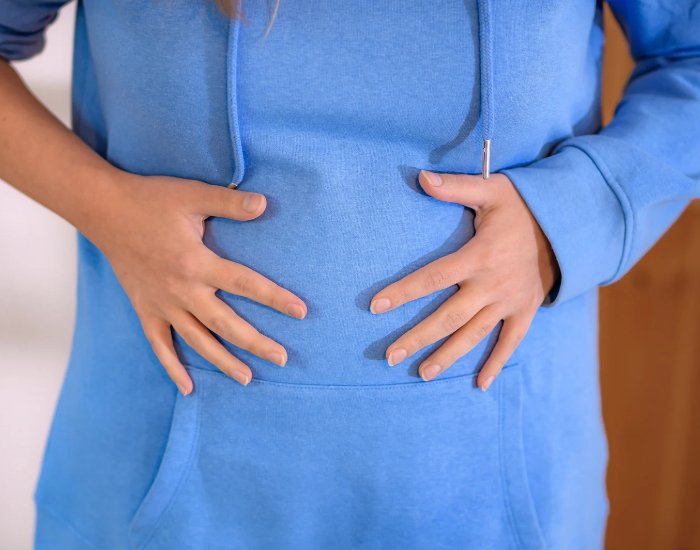
[IMAGE: Woman holding lower left abdomen with highlighted pelvic pain area]
Can Gas Cause Pain in Lower Left Abdomen?
Gas buildup commonly causes cramping and pressure on the lower left side of the abdomen. Many women describe gas-related discomfort as sharp, moving, or cramp-like pain accompanied by bloating and abdominal tightness.
Gas pain may worsen after eating certain foods, during constipation, or when digestion slows down. Some women experience temporary relief after passing gas or having bowel movements, while others continue feeling pressure and bloating throughout the day.
Although trapped gas is usually harmless, recurring bloating and persistent lower abdominal pain should still be medically evaluated because digestive inflammation, IBS, food intolerance, or other gastrointestinal conditions may create similar symptoms.
What Causes Sharp Pain in Lower Left Abdomen Female?
Sharp pain in the lower left abdomen may occur suddenly or gradually depending on the underlying condition. Some causes are mild and temporary, while others require immediate medical attention.
Possible causes of sharp lower left abdominal pain include ovarian cyst rupture, kidney stones, diverticulitis, endometriosis, pelvic inflammatory disease, urinary tract infections, ovulation pain, digestive inflammation, or muscle injuries.
Sharp pain associated with fever, vomiting, dizziness, fainting, abnormal bleeding, or pregnancy symptoms should never be ignored because serious medical emergencies may sometimes begin with pelvic pain or abdominal cramps.
Can Ovarian Cysts Cause Left Side Cramps?
Yes. Ovarian cysts are a common cause of pelvic discomfort and cramps in lower left abdomen female. These fluid-filled sacs develop on the ovaries and may remain painless or create noticeable pressure and pain depending on their size and location.
Women with ovarian cysts may experience lower abdominal pressure, bloating, irregular periods, pelvic heaviness, pain during movement, or discomfort during intercourse. Some cysts disappear naturally, while others may enlarge, rupture, or twist the ovary and create severe pain.
Persistent pelvic discomfort or sudden severe lower abdominal pain should always be medically evaluated to rule out complications involving the ovaries.
Why Does My Lower Left Stomach Hurt When I Move?
Pain that worsens during movement may occur because of muscle strain, abdominal wall irritation, ovarian conditions, pelvic inflammation, digestive inflammation, or surrounding tissue irritation.
Some women notice increased pain during walking, bending, lifting, exercise, coughing, or twisting movements. Muscular pain often improves with rest, while ovarian or pelvic conditions may continue worsening regardless of movement changes.
Persistent movement-related abdominal pain should be medically evaluated, especially if symptoms interfere with normal activities or continue for several days.
Lower Left Abdominal Pain With Bloating
Bloating and lower abdominal cramps frequently occur together in women experiencing digestive or hormonal changes. Many women describe fullness, tightness, swelling, pressure after eating, or discomfort that becomes worse throughout the day.
Possible causes include constipation, food intolerance, irritable bowel syndrome, ovarian cysts, hormonal changes, digestive inflammation, or gas buildup. Persistent bloating combined with pelvic pain, appetite changes, nausea, or fatigue should never be ignored because some digestive and gynecologic conditions worsen gradually over time.
Important Note
Not every case of lower left abdominal cramps is dangerous, and many mild digestive or hormonal causes improve with hydration, dietary adjustments, and stress management. However, women should avoid self-diagnosing persistent or severe symptoms because ovarian conditions, infections, digestive inflammation, or urinary problems may sometimes begin with symptoms that initially seem mild.
Lower Left Pelvic Pain During Period
Menstrual cramps are among the most common causes of lower abdominal pain in women. During menstruation, uterine contractions may create pelvic cramping, lower back discomfort, pressure, and abdominal pain that sometimes affects one side more than the other.
However, severe menstrual pain is not always normal. Conditions such as endometriosis, fibroids, ovarian cysts, or pelvic inflammation may create worsening cramps that interfere with work, sleep, school, or daily activities.
Women experiencing progressively worsening menstrual pain should consider medical evaluation instead of assuming symptoms are only related to normal menstrual cycles.
What Causes Left Pelvic Pain in Women?
Left pelvic pain may develop because of reproductive, digestive, urinary, or inflammatory conditions. Some women feel sharp stabbing discomfort, while others describe aching pressure or ongoing pelvic cramping.
Possible causes include endometriosis, ovarian cysts, menstrual cramps, ovulation pain, pelvic inflammatory disease, urinary infections, digestive irritation, constipation, or pelvic muscle strain.
Pain lasting several days, becoming more severe, or repeatedly returning should always be medically evaluated to identify the underlying cause early.
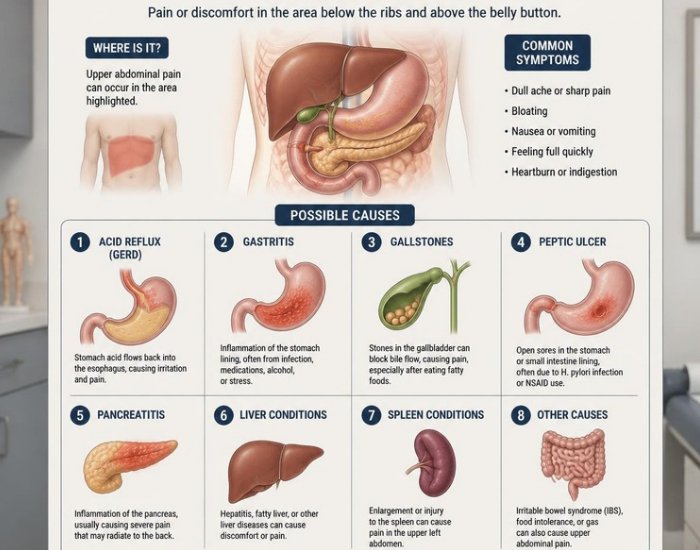
[IMAGE: Female reproductive and digestive organs diagram showing lower left abdominal area]
Should I Worry About Lower Left Abdominal Pain?
Mild temporary abdominal cramps are often not dangerous. However, persistent or worsening symptoms should always be evaluated carefully because some serious medical conditions begin with mild pelvic discomfort.
Women should seek medical care if lower abdominal pain becomes severe, continues worsening, causes fever, causes vomiting, leads to dizziness, occurs during pregnancy, creates abnormal bleeding, or interferes with daily activities.
Early medical evaluation often helps prevent complications while improving treatment outcomes and symptom relief.
When Should I Go to the Doctor for Abdominal Cramps?
Women should consider medical evaluation if abdominal cramps last several days, repeatedly return, become severe, fail to improve with rest, cause bloating or nausea, disrupt sleep, occur with urinary symptoms, or appear alongside menstrual irregularities.
Ignoring persistent symptoms may delay diagnosis of digestive, urinary, or gynecologic conditions requiring treatment.
Digestive Causes of Lower Left Abdominal Pain
Digestive conditions frequently linked to lower abdominal cramps include constipation, gas buildup, irritable bowel syndrome, food intolerance, diverticulitis, and colon inflammation. These conditions commonly create bloating, pressure, cramping after eating, or discomfort relieved after bowel movements.
Women with digestive-related abdominal pain often notice symptoms changing depending on diet, hydration, stress levels, and bowel habits.
Female Reproductive Causes of Lower Left Cramps
Reproductive conditions affecting the ovaries, uterus, and pelvic tissues may also create lower left abdominal pain. Ovarian cysts, endometriosis, menstrual cramps, ovulation pain, fibroids, and pelvic inflammatory disease are among the most common gynecologic causes.
Pelvic pain associated with abnormal bleeding, irregular periods, fertility concerns, or pain during intercourse should always be medically evaluated.
Urinary Causes of Lower Left Abdominal Pain
Urinary tract conditions may contribute to pelvic pressure and lower abdominal cramps. Women experiencing urinary tract infections or kidney stones may notice burning urination, frequent urination, pelvic pressure, blood in urine, or lower abdominal discomfort.
Urinary symptoms should never be ignored because untreated infections may spread and become more serious over time.
Important Warning Signs Women Should Never Ignore
Certain symptoms may indicate a medical emergency requiring immediate treatment. Women should seek urgent medical care if abdominal pain occurs with fever, vomiting, pregnancy symptoms, fainting, severe bloating, blood in urine or stool, heavy vaginal bleeding, or sudden severe pelvic pain.
These symptoms may indicate ovarian torsion, ectopic pregnancy, bowel complications, kidney stones, severe infections, or inflammatory conditions requiring urgent medical evaluation.
How Doctors Diagnose Lower Left Abdominal Cramps
Healthcare providers evaluate abdominal pain using medical history, physical examination, symptom patterns, and diagnostic testing. Depending on symptoms, evaluation may include blood work, urine testing, pregnancy testing, pelvic examination, ultrasound imaging, or CT scans.
Accurate diagnosis is important because several digestive, urinary, muscular, and gynecologic conditions may create similar symptoms.
Treatment Options for Lower Left Abdominal Pain
Treatment depends entirely on the underlying cause of symptoms. Digestive-related pain may improve with hydration, fiber intake, dietary adjustments, and constipation management. Urinary infections often require antibiotics, while ovarian conditions may require hormonal therapy, monitoring, or gynecologic evaluation.
Muscular pain may improve with rest, stretching, and anti-inflammatory treatment, while inflammatory digestive conditions sometimes require imaging and medication management.
Personalized Care for Women’s Health Concerns
At Lifecare Primary Medical Clinic, we provide comprehensive evaluation and treatment for women experiencing abdominal pain, pelvic cramps, bloating, digestive symptoms, urinary discomfort, and chronic medical conditions.
Patients throughout Richmond, Katy, Sugar Land, Rosenberg, Fulshear, and nearby Houston communities can receive personalized primary care focused on accurate diagnosis, preventive medicine, and long-term wellness.
Conclusion
Experiencing cramps in lower left abdomen female can feel stressful because many digestive, urinary, muscular, and reproductive conditions may create similar symptoms. While some causes are mild and temporary, persistent or worsening pain should never be ignored.
Paying attention to associated symptoms such as bloating, fever, nausea, urinary changes, abnormal bleeding, or severe pelvic pain can help women recognize when medical care becomes important. Early medical evaluation often leads to faster relief, better treatment outcomes, and reduced risk of complications.
Frequently Asked Questions
Can gas cause cramps in lower left abdomen female?
Yes. Gas buildup and constipation commonly cause bloating, pressure, and cramping on the left side of the abdomen.
Can ovarian cysts cause lower abdominal cramps?
Yes. Ovarian cysts may create pelvic pressure, bloating, irregular periods, and lower abdominal pain.
Why does my lower left stomach hurt after eating?
Pain after eating may occur because of gas buildup, constipation, food intolerance, IBS, or digestive inflammation.
When should I worry about lower left abdominal pain?
Pain should be medically evaluated if it becomes severe, persistent, associated with fever, vomiting, dizziness, abnormal bleeding, or pregnancy symptoms.
What causes lower left pelvic pain in women?
Common causes include ovarian cysts, endometriosis, menstrual cramps, digestive problems, urinary infections, and pelvic inflammation.
Medical Disclaimer: This content is for educational purposes only and does not replace professional medical advice, diagnosis, or treatment. Always consult a qualified healthcare provider regarding abdominal pain or concerning symptoms.
Book Your Appointment Today
Get trusted care from experienced physicians at Life Care Primary Medical.
Primary Care | Internal Medicine | Walk-In Services