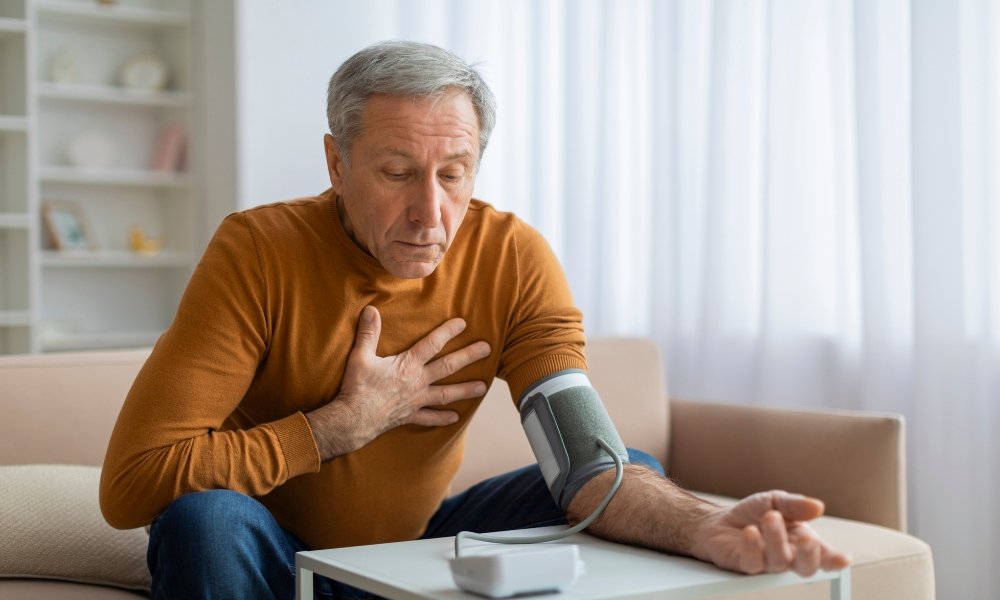
High blood pressure has earned the nickname “the silent killer” for a reason. Many people live with elevated blood pressure for years without experiencing any noticeable symptoms, only discovering the problem after it has already caused damage to the heart, brain, kidneys, or blood vessels. The good news is that hypertension is one of the most manageable chronic conditions when it’s recognized early and treated consistently.
If you’ve recently been told your blood pressure is high—or you’re worried because it runs in your family—you may be wondering what happens next. Can it be controlled without medication? Are there warning signs you should watch for? And perhaps most importantly, how can you prevent it from turning into a life-threatening condition?
The answers aren’t always as simple as taking a pill or avoiding salty foods. Managing blood pressure often involves understanding your personal risk factors, making sustainable lifestyle changes, monitoring your numbers regularly, and partnering with a trusted primary care physician who can tailor treatment to your individual health needs.
If you live in or near Richmond, our team offers hypertension treatment in Richmond, TX, including home-monitoring plans and medication management.
Table of Contents
- Important Note
- What Is High Blood Pressure?
- Why High Blood Pressure Is So Dangerous
- What Causes High Blood Pressure?
- Who Is Most at Risk?
- Does High Blood Pressure Cause Symptoms?
- When High Blood Pressure Becomes an Emergency
- How to Control High Blood Pressure
- Lifestyle Changes That Truly Make a Difference
- Important Note
- Do You Need Blood Pressure Medication?
- Why Regular Monitoring Matters
- How Primary Care Physicians Diagnose Hypertension
- Can High Blood Pressure Be Prevented?
- Managing Hypertension in Richmond, TX
- Frequently Asked Questions
- Medical Disclaimer
Important Note
High blood pressure often develops quietly, without causing noticeable symptoms, which is why so many people don’t realize they have it until routine testing reveals elevated numbers. During that time, it may already be placing extra strain on your heart, brain, kidneys, and blood vessels.
This guide explains what high blood pressure really means, why it matters even when you feel well, the warning signs that deserve medical attention, and the practical steps you can take to lower your risk of serious complications. Understanding your blood pressure today could make a meaningful difference to your long-term health.
What Is High Blood Pressure?
High blood pressure, medically known as hypertension, occurs when the force of blood pushing against your artery walls remains consistently higher than normal. Every heartbeat sends blood throughout your body, delivering oxygen and nutrients to every organ. When this pressure stays elevated over time, the heart must work harder, and the blood vessels gradually become damaged.
A single high reading doesn’t necessarily mean you have hypertension. Blood pressure naturally changes throughout the day depending on physical activity, emotional stress, sleep, caffeine intake, illness, and even talking during the measurement. This is why healthcare providers usually diagnose hypertension only after multiple elevated readings taken on separate occasions.
Blood pressure is recorded using two numbers. The first number, called systolic pressure, measures the pressure when the heart contracts. The second number, known as diastolic pressure, measures the pressure while the heart relaxes between beats.
According to current clinical guidelines, a blood pressure reading consistently at or above 130/80 mmHg may indicate hypertension, depending on your overall cardiovascular risk profile. Your primary care provider will evaluate these readings alongside your medical history before recommending treatment.
Because hypertension often develops gradually over many years, many patients are surprised to learn they have it during a routine wellness visit or annual physical. This highlights why regular preventive care remains one of the most effective tools for protecting long-term health.
For individuals looking to establish ongoing preventive care, working with a primary care physician can help identify hypertension early before complications develop.
Why High Blood Pressure Is So Dangerous
One of the biggest misconceptions about hypertension is that if you feel fine, your blood pressure can’t be causing harm. Unfortunately, the opposite is often true.
When blood pressure remains elevated for months or years, every artery in the body experiences increased mechanical stress. Over time, this constant pressure weakens blood vessel walls, encourages plaque buildup, and reduces the elasticity that healthy arteries need to expand and contract efficiently.
This silent damage increases the likelihood of several serious health conditions, including:
- Heart attack
- Stroke
- Heart failure
- Kidney disease
- Vision loss
- Peripheral artery disease
- Cognitive decline and vascular dementia
The heart itself is particularly vulnerable. Because it has to pump against greater resistance, the heart muscle gradually thickens. While this may initially seem like a sign of strength, it actually makes the heart less efficient and increases the risk of heart failure over time.
The kidneys also depend on healthy blood vessels to filter waste effectively. Persistent hypertension damages these delicate vessels, making chronic kidney disease more likely, especially in individuals with diabetes.
Patients who receive ongoing chronic disease management often benefit from coordinated monitoring of blood pressure alongside other conditions such as diabetes, high cholesterol, and heart disease.
What Causes High Blood Pressure?
For many adults, there isn’t a single identifiable cause. Instead, hypertension develops gradually due to a combination of genetics, aging, lifestyle habits, and underlying health conditions.
This type is called primary hypertension, and it accounts for the vast majority of cases.
Several everyday factors contribute to rising blood pressure over time. A diet high in sodium encourages the body to retain extra fluid, increasing pressure inside the arteries. Carrying excess body weight forces the heart to work harder, while physical inactivity weakens cardiovascular fitness. Smoking damages blood vessels directly, and excessive alcohol consumption may further elevate blood pressure.
Stress also plays a role, although not always in the way people assume. Temporary stress causes brief spikes in blood pressure that usually return to normal. However, chronic stress often leads to unhealthy habits such as poor sleep, overeating, smoking, or excessive alcohol use, all of which contribute to long-term hypertension.
Sometimes hypertension develops because of another medical condition. This is known as secondary hypertension and may result from:
- Kidney disease
- Hormonal disorders
- Sleep apnea
- Certain medications
- Thyroid disorders
- Adrenal gland abnormalities
Identifying these underlying causes is an important part of a comprehensive medical evaluation because treating the original condition may significantly improve blood pressure control.
Who Is Most at Risk for Developing Hypertension?
Although anyone can develop high blood pressure, certain factors make it much more likely. Age remains one of the strongest predictors because blood vessels naturally become less flexible over time.
A family history of hypertension also increases your risk. If one or both parents have high blood pressure, your chances of developing it rise considerably, even if you currently feel healthy.
People living with diabetes, obesity, high cholesterol, kidney disease, or sleep apnea frequently develop hypertension as well. These conditions often interact with one another, creating a cycle that increases cardiovascular risk.
Lifestyle choices matter too. Smoking, frequent alcohol consumption, a diet high in processed foods, limited physical activity, chronic stress, and inadequate sleep can all contribute to rising blood pressure over time.
It’s also worth remembering that hypertension doesn’t only affect older adults. More people in their 30s and 40s are being diagnosed today, partly because of increasing obesity rates, sedentary lifestyles, and poor dietary habits.
Routine visits with an annual physical exam provider often identify these risk factors before permanent cardiovascular damage occurs.
Does High Blood Pressure Cause Symptoms?
This is one of the questions physicians hear most often, and the answer surprises many patients.
Most people with high blood pressure experience no symptoms whatsoever.
That’s exactly why routine screening is so important. You cannot rely on how you feel to determine whether your blood pressure is healthy.
However, when blood pressure becomes extremely elevated—or when it has already started affecting organs—some individuals may notice symptoms such as persistent headaches, blurred vision, dizziness, unusual fatigue, chest discomfort, nosebleeds, or shortness of breath. While these symptoms don’t always indicate hypertension, they should never be ignored, particularly if they appear suddenly or occur alongside very high blood pressure readings.
Some patients describe a sensation of pressure in the head, while others report feeling unusually anxious or lightheaded. Because these symptoms can overlap with many other medical conditions, it’s essential not to self-diagnose. The only reliable way to know whether your blood pressure is elevated is to measure it accurately.
Many individuals first discover they have hypertension during a routine visit for an unrelated concern, emphasizing the value of regular preventive healthcare rather than waiting until symptoms develop.
When High Blood Pressure Becomes an Emergency
Although high blood pressure is usually a chronic condition that develops slowly, there are situations where it becomes a medical emergency. Extremely elevated blood pressure can rapidly damage vital organs and requires immediate evaluation. This is known as a hypertensive crisis.
In general, a blood pressure reading of 180/120 mmHg or higher is considered dangerously high, especially if it is accompanied by symptoms. While not every elevated reading represents an emergency, certain warning signs should never be ignored.
Seek emergency medical care immediately if you have very high blood pressure along with:
- Severe chest pain
- Sudden shortness of breath
- Confusion or difficulty speaking
- Weakness or numbness on one side of the body
- Sudden vision changes or vision loss
- A severe headache unlike your usual headaches
- Loss of consciousness
- Seizures
These symptoms may indicate complications such as a heart attack, stroke, acute heart failure, or damage to the kidneys or brain. Waiting to “see if it gets better” could allow irreversible injury to occur.
On the other hand, many people discover an unexpectedly high blood pressure reading during a home check or routine appointment without any symptoms. In these situations, it’s still important to contact your healthcare provider promptly for guidance rather than trying to lower your blood pressure rapidly on your own.
Knowing the difference between routine hypertension management and a true emergency can help you make informed decisions while avoiding unnecessary panic.
How to Control High Blood Pressure Before It Causes Serious Health Problems
The encouraging news is that hypertension is one of the most treatable chronic medical conditions. For many people, consistent management significantly lowers the risk of heart attack, stroke, kidney disease, and other complications.
Effective blood pressure control rarely depends on one single change. Instead, it usually involves several healthy habits working together. Your physician will consider your age, family history, overall cardiovascular risk, existing medical conditions, and current blood pressure readings before recommending a personalized treatment plan.
For some individuals with mildly elevated blood pressure, lifestyle improvements alone may be enough to bring readings back into a healthier range. Others may require medication in addition to healthy habits to adequately protect their heart and blood vessels.
The goal isn’t simply achieving a lower number on the blood pressure monitor. The real objective is reducing long-term damage to vital organs while helping you maintain an active, healthy lifestyle.
Regular follow-up visits with a primary care physician allow your treatment plan to evolve as your health changes over time.

Lifestyle Changes That Truly Make a Difference
Patients often ask whether lifestyle changes really work or whether medication is inevitable. The answer depends on the individual, but research consistently shows that healthy daily habits can make a meaningful difference in blood pressure control.
Eat a Heart-Healthy Diet
Your diet has a direct impact on blood pressure. Eating more fruits, vegetables, whole grains, beans, nuts, lean proteins, and healthy fats supports healthier blood vessels while reducing inflammation throughout the body.
Many physicians recommend dietary patterns similar to the DASH (Dietary Approaches to Stop Hypertension) eating plan because it emphasizes nutrient-rich foods that naturally support cardiovascular health.
Instead of focusing on restriction, think about adding more nutrient-dense foods to your meals. Small changes made consistently often produce better long-term results than dramatic diets that are difficult to maintain.
Reduce Sodium Intake
Salt doesn’t affect everyone equally, but many people with hypertension are particularly sensitive to sodium. Consuming too much salt causes the body to retain fluid, increasing the amount of blood circulating through the arteries.
One challenge is that most dietary sodium doesn’t come from the salt shaker—it comes from processed foods, canned soups, frozen meals, deli meats, restaurant meals, and packaged snacks.
Reading nutrition labels and preparing more meals at home can significantly reduce sodium intake without sacrificing flavor.
Maintain a Healthy Weight
Even modest weight loss can improve blood pressure in people who are overweight or obese. Losing just 5% to 10% of body weight may reduce strain on the heart while improving blood sugar, cholesterol, and overall cardiovascular health.
Weight management should focus on sustainable habits rather than crash diets. Balanced nutrition, regular activity, adequate sleep, and realistic goals tend to produce longer-lasting success.
Individuals struggling with obesity may benefit from a medically supervised weight loss program that combines nutritional counseling, medical evaluation, and personalized treatment plans.
Exercise Regularly
Physical activity strengthens the heart, allowing it to pump blood more efficiently with less effort. As the heart becomes stronger, less force is needed to circulate blood throughout the body, which helps lower blood pressure over time.
You don’t have to become a marathon runner to experience benefits. Brisk walking, cycling, swimming, dancing, gardening, or other enjoyable activities performed consistently can all support healthier blood pressure.
Most adults benefit from aiming for at least 150 minutes of moderate physical activity each week, although your physician may recommend modifications based on your current health.
Quit Smoking
Every cigarette temporarily raises blood pressure while damaging blood vessels throughout the body. Smoking also dramatically increases the risk of heart attack and stroke in individuals who already have hypertension.
Quitting smoking is one of the most powerful steps you can take for your cardiovascular health, regardless of how long you’ve smoked.
Limit Alcohol Consumption
Moderate alcohol intake may be acceptable for some adults, but excessive drinking contributes to high blood pressure and weakens the heart over time.
If you drink alcohol, discuss safe limits with your healthcare provider based on your overall medical history.
Improve Sleep Quality
Sleep and blood pressure are more closely connected than many people realize. Chronic sleep deprivation, untreated sleep apnea, and poor sleep quality all increase the likelihood of developing hypertension.
If you frequently wake feeling exhausted, snore loudly, or stop breathing during sleep according to family members, your physician may recommend evaluation for sleep apnea as part of your blood pressure assessment.
Manage Stress in Healthy Ways
Stress itself isn’t always the direct cause of chronic hypertension, but prolonged stress often leads to unhealthy coping behaviors such as overeating, smoking, inactivity, excessive alcohol use, or poor sleep.
Simple stress management strategies—including walking outdoors, mindfulness, deep breathing, hobbies, spending time with loved ones, or speaking with a mental health professional—can positively influence both emotional well-being and cardiovascular health.
Important Note
If you’ve recently been diagnosed with high blood pressure, remember that you’re not alone—and a diagnosis doesn’t mean serious complications are inevitable. Many people successfully manage hypertension through a combination of healthy lifestyle changes, regular monitoring, and medication when needed.
Rather than relying on online advice or trying to self-treat, work closely with your primary care provider to develop a plan that’s right for you. Small, consistent improvements over time often have the greatest impact on protecting your heart, kidneys, brain, and overall well-being.
Do You Need Blood Pressure Medication?
One of the first questions patients ask after receiving a diagnosis is whether medication will be necessary. The answer depends on several factors, including your blood pressure readings, age, overall cardiovascular risk, and whether you already have conditions such as diabetes, kidney disease, or heart disease.
Some individuals with mildly elevated blood pressure may initially focus on lifestyle modifications while their physician monitors progress. Others, particularly those with consistently high readings or additional risk factors, benefit from starting medication sooner to reduce the risk of long-term complications.
Several different classes of medications are available, and each works in a different way. Some help relax blood vessels, others reduce excess fluid, while others decrease the workload placed on the heart.
Finding the right medication sometimes requires patience. Your physician may adjust the dosage or switch medications based on how your body responds and whether side effects occur. It’s important not to stop taking prescribed medication without discussing it with your healthcare provider, even if your blood pressure improves.
Many patients assume they can stop medication once their numbers return to normal. In reality, blood pressure often improves because the treatment is working. Discontinuing medication without medical guidance can allow blood pressure to rise again, increasing the risk of complications.
Individuals with multiple chronic conditions often receive ongoing care through a chronic disease management program, helping ensure medications remain effective and appropriate over time.
Why Regular Blood Pressure Monitoring Matters
Checking your blood pressure isn’t something that should only happen during annual doctor’s visits. Regular monitoring provides valuable information about how your body responds to daily life, medications, exercise, stress, and dietary habits.
Home blood pressure monitors have become increasingly accurate and easy to use. When used correctly, they help identify trends that may not be apparent from occasional office readings alone.
For the most reliable results, measure your blood pressure at roughly the same time each day, after sitting quietly for several minutes. Avoid caffeine, smoking, or exercise immediately beforehand, and use a properly fitted cuff positioned at heart level.
Keeping a written or digital log allows your physician to see patterns over time instead of relying on a single measurement. This often leads to better treatment decisions and more personalized care.
Regular follow-up appointments also provide opportunities to review medication effectiveness, assess lifestyle progress, screen for complications, and identify other cardiovascular risk factors before they become more serious.
How Primary Care Physicians Diagnose Hypertension
Diagnosing high blood pressure involves much more than seeing one elevated number during an office visit. Blood pressure naturally changes throughout the day depending on activity, stress, caffeine intake, medications, sleep, and even the anxiety some people experience during medical appointments. Because of these normal fluctuations, your healthcare provider looks for a consistent pattern rather than relying on a single reading.
During your appointment, your physician or medical assistant will measure your blood pressure using the correct cuff size while you’re seated comfortably with your feet flat on the floor and your arm supported at heart level. If the reading is elevated, your provider may repeat the measurement after you’ve had a few minutes to rest.
In many cases, your physician may recommend checking your blood pressure at home or wearing an ambulatory blood pressure monitor for 24 hours. These readings provide a more complete picture of how your blood pressure behaves during your normal daily routine and while you sleep.
Your healthcare provider may also recommend additional testing to evaluate your overall cardiovascular health and determine whether high blood pressure has affected other organs. Depending on your individual situation, this evaluation may include blood tests, urine testing, cholesterol screening, kidney function tests, an electrocardiogram (ECG), or other diagnostic studies.
If an underlying medical condition is suspected, additional testing may be necessary to identify secondary causes of hypertension, such as kidney disease, hormonal disorders, or sleep apnea.
Routine evaluations through annual physical examinations play an important role in identifying hypertension before symptoms or complications develop.
Can High Blood Pressure Be Prevented?
While not every case of hypertension can be prevented—especially when genetics or aging play a role—many people can significantly reduce their risk by making healthy choices long before blood pressure becomes a concern.
Maintaining a healthy weight, staying physically active, limiting sodium intake, eating a balanced diet, avoiding tobacco products, getting enough sleep, and managing stress all contribute to better cardiovascular health. These habits not only reduce the likelihood of developing hypertension but also lower the risk of diabetes, heart disease, stroke, and kidney disease.
Preventive healthcare is equally important. Regular wellness visits allow your physician to monitor blood pressure trends, identify early warning signs, and recommend timely interventions before permanent damage occurs.
Many adults assume they only need to visit a doctor when they’re sick. In reality, preventive care is one of the most effective investments you can make in your long-term health. Identifying elevated blood pressure early often means treatment can begin before serious complications develop.
Whether you’re in excellent health or managing multiple medical conditions, establishing care with a trusted primary care provider creates a strong foundation for lifelong wellness.
Managing High Blood Pressure in Richmond, TX
If you live in Richmond, Katy, or the surrounding communities, having access to consistent primary care can make a significant difference in controlling high blood pressure. Hypertension isn’t a condition that’s managed with a single appointment. It requires ongoing monitoring, individualized treatment, and regular communication between you and your healthcare provider.
At Lifecare Primary Medical, patients receive comprehensive evaluations that focus not only on blood pressure readings but also on the bigger picture of cardiovascular health. This includes assessing lifestyle habits, family history, existing medical conditions, medications, and other factors that influence long-term wellness.
For patients already living with diabetes, heart disease, obesity, or kidney disease, coordinated care is especially important because these conditions frequently occur alongside hypertension.
Whether you need preventive screenings, medication management, or long-term follow-up, working with an experienced healthcare team can help you stay on track and reduce your risk of future complications.
Patients seeking comprehensive care may also benefit from services including preventive care, heart disease management, diabetes care, and personalized chronic disease management based on their individual health needs.
Frequently Asked Questions
Can high blood pressure go away on its own?
In most cases, chronic hypertension does not disappear without treatment. While temporary increases in blood pressure can occur due to stress, illness, or physical activity, consistently elevated blood pressure usually requires lifestyle modifications, medication, or both.
What is the fastest way to lower high blood pressure safely?
There is no safe home remedy that rapidly lowers chronically elevated blood pressure. Long-term control comes from healthy lifestyle changes, prescribed medications when needed, and regular medical follow-up. If your blood pressure is extremely high and accompanied by symptoms such as chest pain, severe headache, vision changes, or difficulty speaking, seek emergency medical care immediately.
Can stress alone cause hypertension?
Stress can temporarily increase blood pressure, but chronic hypertension usually develops from a combination of factors including age, genetics, diet, excess weight, physical inactivity, and other medical conditions. Managing stress remains an important part of maintaining overall cardiovascular health.
Should I check my blood pressure at home?
Yes. Home monitoring provides valuable information that complements office visits. Measuring your blood pressure regularly and sharing those readings with your physician can improve diagnosis and treatment decisions.
Can young adults develop high blood pressure?
Absolutely. Although hypertension becomes more common with age, younger adults can also develop high blood pressure, particularly if they have obesity, diabetes, a family history of hypertension, poor dietary habits, or sedentary lifestyles.
Is medication always required?
Not necessarily. Some people successfully lower mildly elevated blood pressure through lifestyle changes alone. Others benefit from medication because of higher blood pressure readings or additional cardiovascular risk factors. Your physician will recommend the treatment plan that’s most appropriate for your individual situation.
Take Control of Your Blood Pressure Before It Affects Your Health
High blood pressure may be common, but it should never be considered harmless. Left untreated, it quietly increases the risk of heart attack, stroke, kidney disease, vision loss, and numerous other serious health problems. Fortunately, with early diagnosis, healthy lifestyle choices, regular monitoring, and appropriate medical care, most people can successfully manage hypertension and protect their long-term health.
If you have concerns about your blood pressure, don’t wait until symptoms appear. Scheduling a routine evaluation allows your healthcare provider to assess your cardiovascular health, identify risk factors, and create a personalized treatment plan that fits your needs and lifestyle.
Whether you’re due for a wellness exam, need help managing chronic hypertension, or want to establish care with a trusted primary care physician in Richmond, TX, Lifecare Primary Medical is committed to helping you achieve better health at every stage of life.
Medical Disclaimer
This article is intended for educational purposes only and should not replace professional medical advice, diagnosis, or treatment. Blood pressure recommendations vary based on age, medical history, and individual health conditions. If you have concerns about high blood pressure or are experiencing symptoms such as chest pain, severe headache, vision changes, confusion, or difficulty breathing, seek immediate medical attention or contact your healthcare provider promptly.