If you’ve noticed a small blister, painful sore, or cluster of bumps forming on your lip, it’s completely natural to feel worried. One of the first questions many people ask is, “What does herpes look like on your lips?” The internet is filled with pictures and opinions, but many lip conditions look surprisingly similar. A harmless pimple, a canker sore, an allergic reaction, or chapped skin can easily be mistaken for oral herpes.
The good news is that herpes on the lips often follows a recognizable pattern. Understanding how it looks, how it feels, and how it changes over time can help you recognize the signs early and know when it’s time to seek medical advice. In this guide, we’ll walk you through every stage of a typical cold sore, explain why outbreaks happen, discuss treatment options, and help you understand when a lip sore deserves prompt medical evaluation.
Important Note
Many lip sores heal on their own, but not every blister or painful spot is harmless. Some conditions require medical evaluation, while others respond well to early antiviral treatment. Learning how herpes typically appears—and how it differs from other lip conditions—can help you make informed decisions, reduce anxiety, and avoid spreading the infection to others.
Table of Contents
- What Is Lip Herpes?
- What Does Herpes Look Like on Your Lips?
- The Stages of a Cold Sore
- Common Symptoms Before and During an Outbreak
- Conditions That Look Similar to Lip Herpes
- Why Do Cold Sores Keep Coming Back?
- When Should You See a Doctor?
- How Doctors Diagnose Oral Herpes
- Treatment Options
- Can Lip Herpes Be Prevented?
- Frequently Asked Questions
What Is Lip Herpes?
Lip herpes, commonly called a cold sore or fever blister, is a viral infection caused primarily by the herpes simplex virus type 1 (HSV-1). Although HSV-2 is more commonly associated with genital herpes, it can occasionally affect the mouth as well.
Once a person becomes infected, the virus doesn’t completely leave the body. Instead, it remains inactive within nearby nerve cells. Weeks, months, or even years later, it can reactivate and travel back to the skin, causing another outbreak in the same general area.
This explains why many people experience recurring cold sores on the edge of the lips, around the mouth, or occasionally inside the nose.
For some individuals, outbreaks occur only once in their lifetime. Others may experience several episodes each year, particularly during times of stress, illness, prolonged sun exposure, hormonal changes, or reduced immunity.
What Does Herpes Look Like on Your Lips?
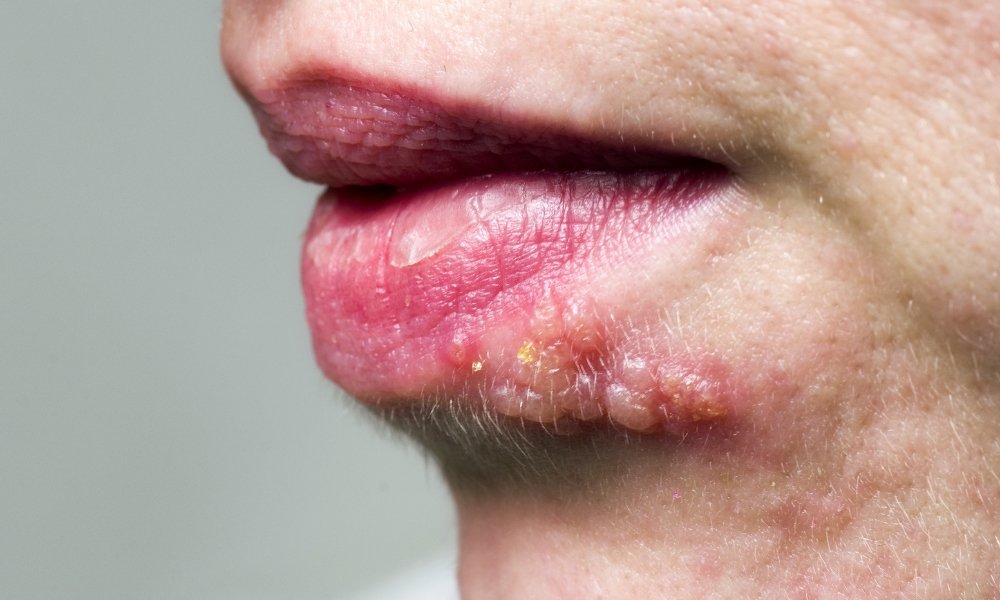
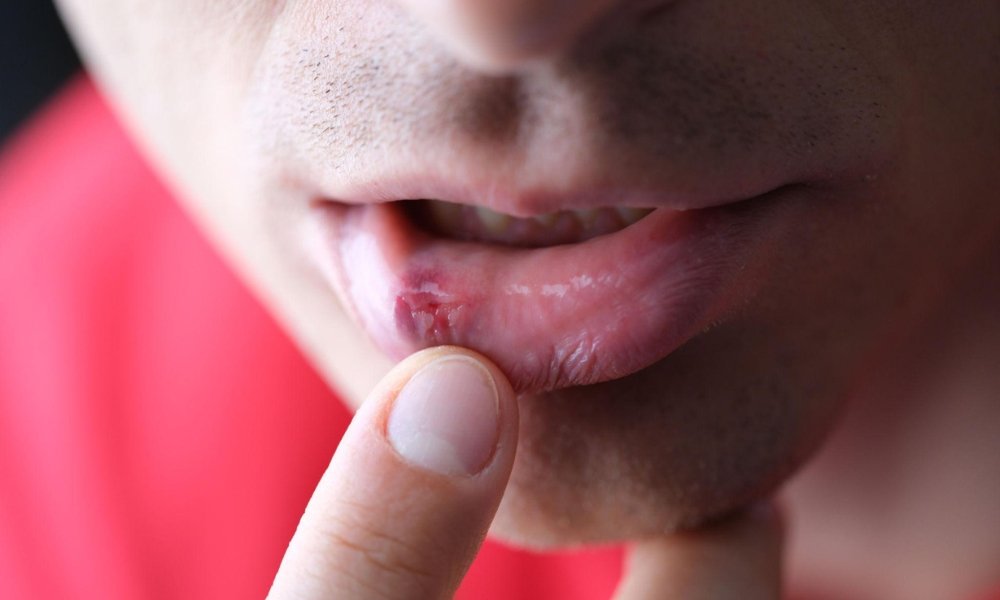
If someone asks a physician, “What does herpes look like on your lips?” the answer isn’t simply “a blister.” Oral herpes has a fairly characteristic appearance that changes throughout the course of an outbreak.
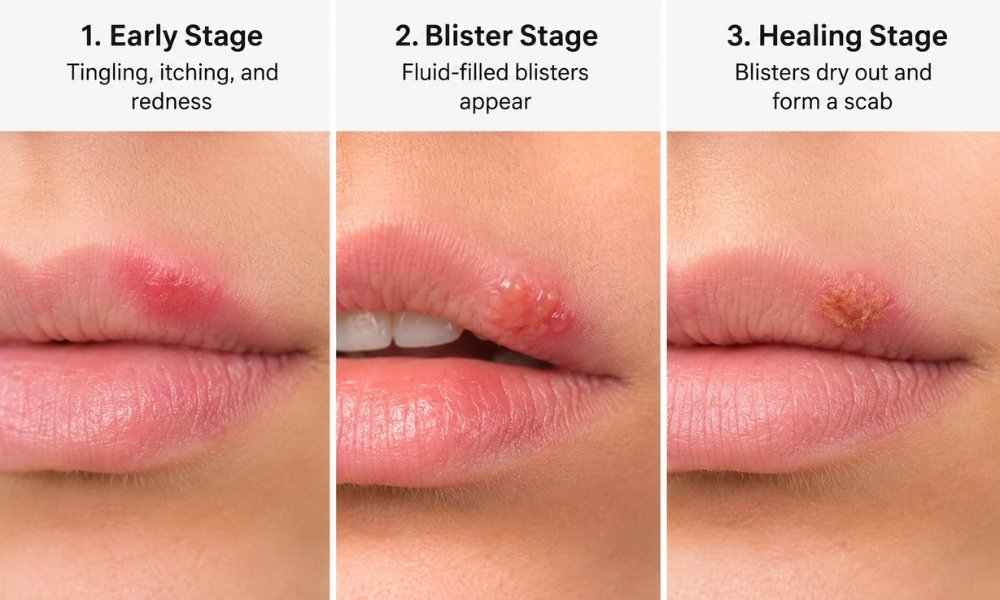
Most cold sores begin as a small area of redness or swelling. Before anything becomes visible, many people notice an unusual tingling, itching, burning, or tight feeling in one specific spot along the lip.
Within the next day or two, tiny fluid-filled blisters begin forming. These blisters are usually grouped closely together rather than appearing as one large blister.
At first, they may appear almost transparent. As inflammation increases, they often become more noticeable, slightly raised, and surrounded by red, irritated skin.
Unlike acne pimples, these blisters contain clear fluid rather than pus. They’re usually tender and may sting whenever you smile, eat acidic foods, brush your teeth, or touch your lips.
Many people describe the discomfort as a combination of burning and soreness rather than sharp pain.
Over several days, these clustered blisters eventually rupture. Once they break open, they leave behind shallow ulcers that may ooze a small amount of fluid before beginning to dry.
A yellowish or brown crust gradually develops over the sore. This scab is a normal part of healing and should be left alone. Picking at it can delay recovery, increase scarring, and spread the virus to nearby skin.
Eventually the scab falls off naturally, revealing healthy new skin underneath.
The Five Stages of a Cold Sore
One reason healthcare providers can often recognize oral herpes is because the infection follows a predictable progression.
| Stage | What You May Notice |
|---|---|
| Stage 1 | Tingling, itching, burning, or tightness before anything is visible. |
| Stage 2 | Small clusters of fluid-filled blisters appear. |
| Stage 3 | Blisters break open and become painful sores. |
| Stage 4 | The sores dry and develop a protective crust. |
| Stage 5 | Healing occurs as the scab falls away and healthy skin returns. |
Most uncomplicated outbreaks heal within 7 to 14 days. However, first-time infections may last longer and produce more severe symptoms than recurrent outbreaks.
Common Symptoms Before and During an Outbreak
Not every outbreak begins with a visible sore. In fact, many people recognize their outbreaks by how they feel before they see anything in the mirror.
Early symptoms often include:
- Tingling around the lips
- Burning sensation
- Mild itching
- Sensitivity when smiling
- Localized swelling
- Tight feeling in one area of the lip
As the outbreak progresses, additional symptoms may include pain while eating, cracked lips, tenderness, swollen lymph nodes, and occasionally a low-grade fever during an initial infection.
Young children experiencing their first HSV-1 infection sometimes develop painful sores throughout the mouth, making eating and drinking difficult. Adults who experience a primary infection may also develop widespread mouth ulcers and significant fatigue.
Recurring outbreaks, however, are usually much milder and heal more quickly.
Important Note
Seeing a blister on your lip doesn’t automatically mean something serious is happening. Many outbreaks resolve without complications, especially when treated early. However, it’s important not to self-diagnose every lip sore. If symptoms are severe, unusually painful, keep returning, or don’t heal as expected, a healthcare professional can determine whether herpes—or another condition—is responsible and recommend the most appropriate treatment.
Conditions That Can Look Like Herpes on the Lips
One of the biggest reasons people search online for pictures of lip herpes is that several common conditions closely resemble cold sores. Unfortunately, appearance alone isn’t always enough to make an accurate diagnosis.
A pimple near the edge of the lip may develop a white center filled with pus, whereas herpes typically appears as several tiny fluid-filled blisters grouped together. Canker sores, on the other hand, usually form inside the mouth rather than on the outer lip and aren’t caused by the herpes virus.
Angular cheilitis causes painful cracks at the corners of the mouth and is often related to irritation, yeast overgrowth, or nutritional deficiencies. Allergic reactions to lip balm, toothpaste, cosmetics, or certain foods may also produce redness and swelling that can mimic the early stages of a cold sore.
Even severe chapped lips can occasionally develop splits and crusting that resemble healing herpes lesions.
Because treatment differs depending on the underlying cause, persistent or recurring sores deserve medical evaluation rather than self-diagnosis based solely on internet images.
Why Do Cold Sores Keep Coming Back?
One of the most frustrating things about oral herpes is that it can return even after the original sore has completely healed. Many people wonder why they keep getting a cold sore in the exact same spot on their lip. The answer lies in how the herpes simplex virus behaves inside the body.
After the first infection, HSV-1 travels through nearby nerve fibers and becomes dormant inside nerve cells. While inactive, it causes no symptoms and isn’t noticeable. However, certain triggers can reactivate the virus, causing it to travel back to the skin and produce another outbreak.
Not everyone experiences recurrent outbreaks, and the frequency varies widely. Some people may never have another cold sore, while others experience several episodes each year.
Common triggers include:
- Physical or emotional stress
- Fever or another viral illness (which is why they’re often called “fever blisters”)
- Excessive sun exposure
- Lack of sleep
- Hormonal changes, including menstruation
- A weakened immune system
- Minor injuries to the lips, including dental work
Learning your personal triggers can help reduce future outbreaks. Keeping your lips protected from excessive sunlight with a lip balm that contains SPF, getting enough rest, managing stress, and maintaining overall health may lower the frequency of recurrences for some individuals.
How Is Lip Herpes Spread?
Oral herpes spreads through direct contact with the virus. The virus is most contagious when blisters are present and leaking fluid, but it can occasionally spread even when no visible sore is present due to asymptomatic viral shedding.
Common ways HSV-1 spreads include kissing, sharing drinking glasses, eating utensils, lip balm, lipstick, razors, towels, or engaging in oral contact during an active outbreak.
If you currently have a cold sore, it’s best to avoid close contact until the sore has completely healed. You should also wash your hands after touching your face and avoid picking at the blister, as the virus can spread to other parts of your body, including your eyes.
If you wear contact lenses, be especially careful not to touch your eyes after touching a cold sore without washing your hands thoroughly.
When Should You See a Doctor for a Lip Sore?
Although many cold sores heal on their own, there are situations where medical evaluation is important.
You should schedule an appointment if:
- Your lip sore lasts longer than two weeks.
- You have frequent outbreaks throughout the year.
- The sore is unusually large or extremely painful.
- You develop sores inside your mouth that make eating or drinking difficult.
- You have a weakened immune system.
- The infection spreads toward your eyes.
- You develop a high fever or severe facial swelling.
- You’re unsure whether the sore is actually herpes.
People experiencing their very first outbreak often benefit the most from prompt medical evaluation because antiviral medications work best when started early—ideally within the first 48 hours of symptoms.
How Doctors Diagnose Oral Herpes
In many cases, an experienced primary care physician or internist can diagnose a cold sore simply by examining its appearance and asking about your symptoms. The classic pattern of tingling followed by clustered blisters is often enough to make the diagnosis.
If the diagnosis isn’t clear, your healthcare provider may collect a sample from the blister for laboratory testing. Polymerase chain reaction (PCR) testing is highly accurate and can confirm the presence of the herpes simplex virus.
Blood tests can detect previous exposure to HSV-1, but they usually cannot determine whether a current lip sore is causing your symptoms.
Because many skin conditions can resemble herpes, professional evaluation helps ensure you’re receiving the correct treatment.
Treatment Options for Herpes on the Lips
There is currently no cure that completely removes HSV-1 from the body. However, effective treatments can reduce symptoms, shorten healing time, and decrease the risk of spreading the virus to others.
Prescription Antiviral Medications
Prescription antiviral medications such as acyclovir, valacyclovir, and famciclovir are most effective when started during the tingling or burning stage before blisters fully develop. These medications help slow viral replication and may shorten the duration of an outbreak.
Over-the-Counter Relief
Several non-prescription products can help relieve discomfort while your body heals. Lip moisturizers, cold compresses, topical pain relievers, and protective lip ointments may reduce irritation and cracking.
Home Care Tips
Simple self-care measures can also make a significant difference. Stay well hydrated, avoid spicy or acidic foods if they cause pain, keep the affected area clean, avoid touching the blister, and never attempt to pop the blisters.
Picking at the scab increases the risk of delayed healing, bacterial infection, and scarring.
Can You Prevent Future Cold Sore Outbreaks?
Although no strategy can guarantee that cold sores will never return, many people successfully reduce the frequency of outbreaks by managing known triggers.
Helpful prevention strategies include:
- Use SPF lip balm when spending time outdoors.
- Maintain a healthy immune system with adequate sleep and balanced nutrition.
- Manage emotional stress through exercise, relaxation techniques, or mindfulness.
- Avoid sharing personal items during an outbreak.
- Wash your hands frequently if you touch the affected area.
- Take preventive antiviral medication if recommended by your healthcare provider for frequent recurrences.
People who experience six or more outbreaks per year may benefit from daily suppressive antiviral therapy. Your physician can determine whether this approach is appropriate for your situation.
Quick Summary: What Does Herpes Look Like on Your Lips?
| Feature | Typical Appearance |
|---|---|
| Early symptom | Tingling, burning, itching |
| Blisters | Small, clustered, fluid-filled |
| Pain | Tender, burning, sore |
| Healing | Crust forms, scab falls off naturally |
| Typical duration | 7–14 days |
Getting the Right Care in Richmond, TX
If you’re experiencing a painful lip sore, frequent cold sores, or you’re unsure whether your symptoms are caused by oral herpes or another skin condition, it’s important to seek an accurate diagnosis. Early evaluation can help identify the cause, determine whether antiviral medication is appropriate, and rule out other conditions that may require different treatment.
At Lifecare Primary Medical, our experienced providers evaluate a wide range of skin, viral, and general medical concerns. Whether this is your first cold sore or you’ve been dealing with recurring outbreaks, we provide personalized care to help you recover and reduce future episodes.
Related services you may find helpful:
Frequently Asked Questions
Can herpes on the lips look like a pimple?
Yes. Early cold sores are sometimes mistaken for pimples, but herpes usually appears as several tiny fluid-filled blisters grouped together rather than a single pus-filled bump.
How long does a cold sore usually last?
Most outbreaks heal within seven to fourteen days, although first-time infections may last slightly longer.
Can I kiss someone if I have a cold sore?
No. Kissing during an active outbreak significantly increases the risk of spreading HSV-1 to another person.
What should I avoid doing with a cold sore?
Avoid picking the scab, touching the blister unnecessarily, sharing drinks or lip products, and engaging in close oral contact until the sore has completely healed.
Can stress trigger cold sores?
Yes. Emotional stress is one of the most commonly reported triggers for recurrent oral herpes outbreaks.
Should every blister on my lip be treated as herpes?
No. Several skin conditions—including pimples, allergic reactions, canker sores, and bacterial infections—can resemble herpes. If you’re unsure, a healthcare provider can determine the cause.
Final Thoughts
If you’ve been asking yourself, “What does herpes look like on your lips?” remember that the answer is about more than appearance alone. Oral herpes typically begins with tingling or burning, progresses to clusters of clear fluid-filled blisters, then forms shallow sores before healing with a protective scab. Recognizing this pattern can help you seek treatment early, reduce discomfort, and lower the risk of spreading the virus.
While many cold sores heal without complications, persistent, severe, or recurring lip sores deserve professional evaluation. An accurate diagnosis ensures you receive the most appropriate treatment and peace of mind.
Medical Disclaimer
This article is intended for educational purposes only and should not replace professional medical advice, diagnosis, or treatment. If you develop severe symptoms, frequent outbreaks, eye involvement, difficulty eating or drinking, or have concerns about a persistent lip sore, schedule an appointment with a qualified healthcare provider for personalized evaluation.