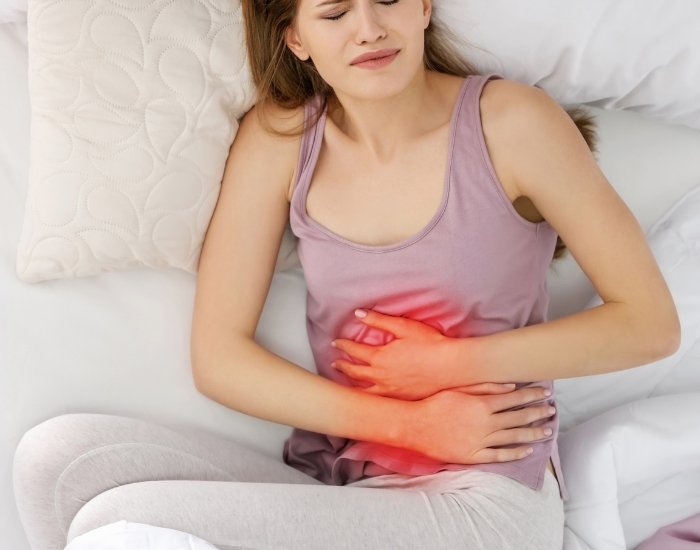
Kidney stone pain is often described as one of the most intense types of pain a person can experience. Some people compare it to labor pain, while others describe it as a sharp, unbearable pressure that suddenly starts in the back or side and quickly spreads toward the lower abdomen or groin. The pain may come in waves, worsen without warning, and leave patients feeling anxious, nauseated, restless, and unable to get comfortable. For many people, the biggest concern becomes simple: how can the pain be controlled quickly and safely?
Table of Contents
- What Causes Kidney Stone Pain?
- Why Kidney Stone Pain Can Feel Severe
- Common Symptoms of Kidney Stones
- How to Manage Kidney Stone Pain
- Home Remedies That May Help
- Best Medications for Kidney Stone Pain
- When Kidney Stone Pain Becomes an Emergency
- How Doctors Diagnose Kidney Stones
- Medical Treatments for Kidney Stones
- Important Things Patients Should Know
- How to Prevent Kidney Stones
- Kidney Stone Pain FAQs
- Medical Disclaimer
Important Note
Many people initially assume kidney stone pain is simply back pain, muscle strain, or stomach discomfort. However, kidney stones can sometimes cause severe complications if the blockage becomes significant or infection develops. Understanding the warning signs early, recognizing when pain needs medical attention, and learning safe pain management strategies may help prevent unnecessary suffering and serious complications.
What Causes Kidney Stone Pain?
Kidney stones develop when minerals and salts inside the urine begin forming hard crystal-like deposits. Over time, these crystals can grow into stones that vary in size from tiny grains to much larger masses. Some stones remain inside the kidney without causing symptoms, while others begin moving into the urinary tract, where they can create severe pain.
The pain usually starts when the stone blocks the normal flow of urine. As pressure builds inside the kidney and urinary tract, the surrounding tissues stretch and spasm. This combination of blockage, inflammation, and muscle spasms creates the intense discomfort commonly associated with kidney stones.
One reason pain management for kidney stones becomes so important is because the pain can escalate suddenly. Patients often describe feeling relatively normal one moment and then experiencing sharp, stabbing pain shortly afterward. The discomfort may fluctuate in intensity but can remain severe for hours if the stone continues moving or causing blockage.
Smaller stones sometimes pass naturally, while larger stones may require medical treatment. The size, location, and movement of the stone often determine how severe the pain becomes.
[IMAGE: Illustration showing a kidney stone moving through the ureter causing blockage and pain]
Why Kidney Stone Pain Can Feel Severe
Many people wonder why kidney stone pain feels far more intense than ordinary back pain or abdominal discomfort. The answer lies in how sensitive the urinary tract is to blockage and pressure changes.
When urine cannot pass normally because of a stone, pressure increases inside the kidney. The ureter, which is the narrow tube carrying urine from the kidney to the bladder, also begins to spasm as it tries to push the stone downward. These spasms can create waves of intense pain known as renal colic.
Unlike muscle pain that may improve with rest, kidney stone pain often makes patients restless. Many people pace around, bend forward, change positions repeatedly, or feel unable to sit still. This restlessness is actually a classic symptom.
The pain may also radiate depending on where the stone is located. Some patients experience pain in the side or flank, while others feel discomfort moving toward the lower abdomen, pelvis, groin, or even the testicles in men.
Nausea and vomiting are also common because severe pain stimulates nearby nerves connected to the digestive system. Some patients become sweaty, pale, and dizzy during severe episodes.
Understanding why the pain occurs helps explain why treatment often focuses not only on pain relief itself but also on reducing spasms, inflammation, and urinary blockage.
Common Symptoms of Kidney Stones
Although severe flank pain is the symptom most people associate with kidney stones, there are several other symptoms that commonly appear alongside the pain.
Some patients notice burning during urination or increased urinary urgency. Others may see blood in the urine, which can range from light pink discoloration to darker red urine depending on irritation inside the urinary tract.
Kidney stone pain may also come and go in waves. This pattern happens because the muscles inside the ureter tighten and relax while trying to move the stone.
Common symptoms include:
- Sharp pain in the back or side
- Pain radiating toward the groin
- Blood in the urine
- Nausea and vomiting
- Painful urination
- Frequent urge to urinate
- Cloudy or foul-smelling urine
- Difficulty finding a comfortable position
- Sudden severe abdominal pain
In some cases, patients may experience only mild symptoms initially before the pain becomes significantly worse later.
Fever or chills alongside kidney stone pain should never be ignored because these symptoms may indicate infection, which can become dangerous if urine flow remains blocked.
How to Manage Kidney Stone Pain
Pain management for kidney stones usually depends on how severe the symptoms are and whether the stone is expected to pass naturally.
Mild to moderate kidney stone pain may sometimes improve with hydration, anti-inflammatory medications, and rest. However, severe pain often requires prescription medications or emergency medical care.
One of the first goals in kidney stone pain management is reducing inflammation and muscle spasms inside the urinary tract. Doctors commonly use medications that relax the ureter and help stones pass more easily.
Hydration is also important, but patients should avoid forcing excessive amounts of water too quickly during severe pain episodes because it may increase pressure temporarily.
Heat therapy sometimes helps reduce muscle tension around the abdomen and lower back. Some patients find temporary relief from warm compresses or heating pads applied carefully to the painful area.
Resting in a quiet environment may also help reduce anxiety associated with severe pain attacks. Stress and panic can sometimes intensify the body’s perception of pain.
For many patients, effective pain management requires a combination of:
- Pain-relieving medications
- Hydration guidance
- Anti-inflammatory treatment
- Muscle relaxation
- Monitoring for complications
- Stone passage support
The exact treatment plan depends heavily on stone size, stone location, infection risk, and the patient’s overall health condition.
[IMAGE: Patient using heating pad while managing kidney stone pain at home]
Home Remedies That May Help Relieve Kidney Stone Pain
Many patients search online asking questions like “what helps kidney stone pain fast” or “how can I pass a kidney stone naturally?” While home remedies cannot replace medical treatment in severe cases, some supportive strategies may help reduce discomfort.
Drinking adequate water throughout the day is one of the most important recommendations. Proper hydration helps dilute urine and may support natural stone passage for smaller stones.
Warm baths and heating pads sometimes reduce muscle spasms and help patients relax temporarily. Gentle movement, such as walking slowly, may also encourage smaller stones to move through the urinary tract.
Some people benefit from avoiding foods high in sodium because excess salt can increase urinary calcium levels and worsen stone formation risk.
Lemon water is commonly discussed because citrate found in lemons may help reduce certain types of stone formation. However, lemon water alone is usually not enough to dissolve established stones.
Patients should be cautious about relying entirely on internet remedies without proper diagnosis. Not all severe flank pain is caused by kidney stones. Conditions such as appendicitis, gallbladder disease, urinary infections, or vascular emergencies can sometimes mimic kidney stone symptoms.
Any severe or worsening pain deserves medical evaluation rather than prolonged self-treatment.
Best Medications for Kidney Stone Pain
Several medications are commonly used for pain management for kidney stones depending on symptom severity.
Nonsteroidal anti-inflammatory drugs, often called NSAIDs, are frequently used because they help reduce inflammation and pain simultaneously. These medications may be very effective for mild to moderate kidney stone discomfort.
In more severe cases, stronger prescription pain medications may be necessary temporarily. Emergency rooms sometimes administer intravenous pain medications for rapid symptom relief when patients are unable to tolerate oral medications.
Doctors may also prescribe alpha blockers, which help relax muscles inside the ureter. Relaxing these muscles may improve urine flow and increase the chances of stone passage.
Anti-nausea medications are often important as well because severe kidney stone pain frequently triggers vomiting and dehydration.
Antibiotics may become necessary if infection develops alongside the obstruction.
Patients should avoid taking excessive over-the-counter pain medications without medical supervision because some medications may affect kidney function, especially if dehydration is present.
The safest approach is individualized treatment guided by imaging studies and professional medical evaluation.
When Kidney Stone Pain Becomes an Emergency
Some kidney stones pass naturally without major complications, but certain symptoms require immediate medical attention.
Patients should seek emergency care if kidney stone pain becomes unbearable, especially if it is accompanied by fever, chills, vomiting, or inability to urinate.
Signs that kidney stone pain may represent a medical emergency include:
- Fever or shaking chills
- Persistent vomiting
- Severe dehydration
- Blood in the urine worsening significantly
- Pain that suddenly becomes unbearable
- Difficulty urinating
- Confusion or dizziness
- Pain associated with a single functioning kidney
An infected obstructed kidney can become dangerous quickly. In severe cases, bacteria trapped behind a blocked urinary system may lead to sepsis, which is a potentially life-threatening condition.
Because of this risk, patients should never ignore fever combined with kidney stone symptoms.
Important Note
Not every episode of kidney stone pain means something dangerous is happening immediately. Some small stones pass naturally with hydration, medications, and time. However, severe pain, fever, vomiting, or inability to urinate should never be ignored. Trying to self-diagnose persistent symptoms without medical evaluation may delay treatment for serious complications. Early assessment often helps patients avoid worsening pain, infection, or kidney damage.
How Doctors Diagnose Kidney Stones
Accurate diagnosis is extremely important because several medical conditions can imitate kidney stone symptoms. Severe abdominal pain, flank pain, nausea, or blood in the urine may overlap with infections, gallbladder disease, appendicitis, ovarian conditions, or even vascular emergencies.
When patients arrive with suspected kidney stone pain, doctors usually begin by reviewing symptoms carefully and performing a physical examination. The location of the pain, how suddenly it started, and whether symptoms move toward the groin often provide important clues.
Urine testing is commonly performed to check for blood, infection, dehydration, or crystal formation. Blood tests may also evaluate kidney function and signs of infection.
Imaging studies are often the most important step in confirming the diagnosis. CT scans are commonly used because they can identify stone size, location, and blockage severity very accurately. Ultrasounds may also be used, especially for pregnant patients or individuals who should avoid unnecessary radiation exposure.
X-rays sometimes help identify certain stone types, although not all kidney stones are visible on standard X-ray imaging.
Understanding the stone’s location helps determine the best pain management strategy and whether the stone may pass naturally or require intervention.
Medical Treatments for Kidney Stones
Treatment options vary depending on the stone size, pain severity, infection risk, and whether the stone is blocking urine flow significantly.
Small stones often pass naturally over several days or weeks with hydration, pain management, and medications designed to relax the urinary tract.
Larger stones or stones causing severe obstruction may require medical procedures. One commonly used treatment is extracorporeal shock wave lithotripsy, often called ESWL. This treatment uses sound waves to break stones into smaller fragments that can pass more easily.
Another treatment option is ureteroscopy, where a thin camera is inserted into the urinary tract to locate and remove or break apart the stone.
For extremely large stones, procedures such as percutaneous nephrolithotomy may be necessary. This involves removing stones directly through a small incision in the back.
Some patients require temporary stents placed inside the ureter to restore urine flow and reduce pressure while healing occurs.
The goal of treatment is not only relieving pain but also protecting kidney function and preventing complications.
Modern kidney stone treatments are often highly effective, especially when patients seek medical attention before complications worsen.
[IMAGE: Medical specialist reviewing CT scan showing kidney stones]
Can Kidney Stones Cause Pain in Other Areas?
Yes, kidney stone pain does not always stay isolated to the kidney area. This is one reason many patients initially become confused about the source of their symptoms.
Depending on where the stone becomes lodged, pain may spread into the lower abdomen, pelvis, groin, bladder region, or upper thigh. Men sometimes experience pain radiating toward the testicles.
Some patients describe the pain as sharp and stabbing, while others experience deep pressure, cramping, or waves of tightening discomfort.
The pain may also shift locations as the stone moves through the urinary tract. A stone starting near the kidney may later create pain lower in the abdomen once it approaches the bladder.
This changing pain pattern is often considered a classic feature of kidney stones.
Because symptoms can mimic gastrointestinal or gynecological problems, proper evaluation becomes essential whenever severe pain develops unexpectedly.
How Long Does Kidney Stone Pain Last?
The duration of kidney stone pain varies significantly from person to person. Some small stones may pass within a few hours, while others create intermittent symptoms for days or even weeks.
Pain usually becomes most severe when the stone moves through narrow sections of the ureter. Once the stone reaches the bladder, many patients notice symptom improvement fairly quickly.
However, larger stones may continue causing repeated episodes of severe pain until treatment is performed.
One challenging aspect of pain management for kidney stones is the unpredictability of symptoms. Patients may feel temporary relief before another wave of pain suddenly returns.
This intermittent pattern often creates emotional stress and sleep disruption, especially when symptoms occur overnight.
Patients experiencing prolonged symptoms should avoid assuming the problem will resolve without medical evaluation. Persistent obstruction can sometimes damage kidney function over time.
What Foods Can Trigger Kidney Stones?
Diet plays an important role in kidney stone formation for many individuals. Although dietary recommendations vary depending on stone type, certain foods may increase stone risk in susceptible patients.
High sodium intake is a major concern because excessive salt increases calcium levels in the urine. Processed foods, fast foods, canned soups, and salty snacks may contribute significantly.
Oxalate-rich foods such as spinach, nuts, chocolate, and beets may increase the risk of calcium oxalate stones in some patients.
High animal protein intake may also affect urinary chemistry and contribute to stone formation.
Dehydration remains one of the most common risk factors overall. Concentrated urine allows minerals to crystallize more easily.
However, patients should avoid making extreme dietary changes without understanding their specific stone composition. Different stone types may require different prevention strategies.
Doctors sometimes analyze passed stones or perform specialized urine testing to identify individualized prevention plans.
Can Stress Make Kidney Stone Pain Feel Worse?
Stress itself does not directly create kidney stones, but emotional stress and anxiety can absolutely intensify the perception of pain.
Severe kidney stone pain often causes fear because symptoms can feel sudden, overwhelming, and difficult to control. Many patients worry something life-threatening may be happening.
When the body becomes stressed, muscle tension increases and the nervous system becomes more sensitive to discomfort. This heightened pain response may make symptoms feel even more severe.
Anxiety may also worsen nausea, increase restlessness, and make it difficult to sleep during painful episodes.
For this reason, effective pain management sometimes includes calming strategies alongside medications. Quiet environments, supportive care, reassurance, and proper hydration can all help patients cope better during acute attacks.
Understanding what is happening physiologically may also reduce fear and improve emotional control during treatment.
How to Prevent Future Kidney Stones
After experiencing kidney stone pain once, many patients become highly motivated to avoid another episode. Prevention strategies can significantly reduce recurrence risk in many individuals.
The most important preventive step is usually maintaining consistent hydration. Drinking enough fluids throughout the day helps dilute urine and reduces crystal formation.
Patients are often advised to increase water intake enough to keep urine relatively clear or pale yellow.
Other prevention strategies may include:
- Reducing excessive sodium intake
- Maintaining healthy body weight
- Limiting sugary beverages
- Following individualized dietary guidance
- Treating recurrent urinary infections
- Managing metabolic conditions properly
- Taking preventive medications when prescribed
Interestingly, many people incorrectly assume they should eliminate all calcium from their diet. In reality, normal dietary calcium is often important because it may help bind oxalate in the digestive tract.
The best prevention plan depends heavily on the patient’s specific stone type and medical history.
[IMAGE: Healthy hydration and kidney stone prevention lifestyle illustration]
Why Early Evaluation Matters
One of the biggest mistakes patients make is ignoring symptoms for too long because they hope the pain will simply disappear on its own.
Although some kidney stones do pass naturally, others may continue blocking urine flow or trigger infection. Delayed treatment can sometimes lead to worsening pain, kidney swelling, kidney damage, or bloodstream infection.
Patients should especially avoid delaying care if they experience fever, repeated vomiting, worsening weakness, or inability to keep fluids down.
Even when symptoms are manageable at home initially, medical evaluation often helps determine whether complications are developing silently.
Early diagnosis may also reduce the need for more invasive procedures later.
In many cases, prompt treatment leads to faster pain relief, fewer complications, and quicker recovery overall.
Frequently Asked Questions About Pain Management for Kidney Stones
What is the fastest way to relieve kidney stone pain?
Fast relief often involves anti-inflammatory medications, hydration guidance, and sometimes prescription pain medications. Severe pain may require emergency medical treatment.
Can kidney stone pain come and go?
Yes. Kidney stone pain commonly occurs in waves because the ureter spasms while attempting to move the stone.
When should I go to the ER for kidney stone pain?
You should seek emergency care if you develop fever, severe vomiting, inability to urinate, worsening blood in the urine, or unbearable pain.
Can drinking water flush out kidney stones?
Hydration may help small stones pass naturally, but larger stones often require medical treatment.
How painful are kidney stones compared to other conditions?
Many patients describe kidney stone pain as one of the most severe pains they have experienced due to urinary blockage and muscle spasms.
Can kidney stones cause back pain only?
Sometimes kidney stones initially cause flank or back pain, but the pain may later move toward the abdomen or groin.
Do all kidney stones require surgery?
No. Many small stones pass naturally, while larger or obstructive stones may require procedures.
Can kidney stones come back?
Yes. Many patients develop recurrent kidney stones if underlying risk factors are not addressed.
Final Thoughts on Pain Management for Kidney Stones
Pain management for kidney stones is not simply about masking discomfort temporarily. Effective treatment focuses on identifying the cause, relieving obstruction, reducing inflammation, protecting kidney function, and preventing complications.
Because symptoms can become extremely severe very quickly, patients should not ignore persistent flank pain, blood in the urine, nausea, or urinary symptoms.
The good news is that modern diagnosis and treatment options have improved significantly. Many patients recover well with proper hydration, medications, and timely medical care.
Understanding the symptoms early and knowing when to seek help may reduce complications and help patients regain comfort faster.
Medical Disclaimer
This article is for informational and educational purposes only and should not replace professional medical advice, diagnosis, or treatment. Always seek guidance from a qualified healthcare provider regarding symptoms, severe pain, or medical emergencies related to kidney stones.