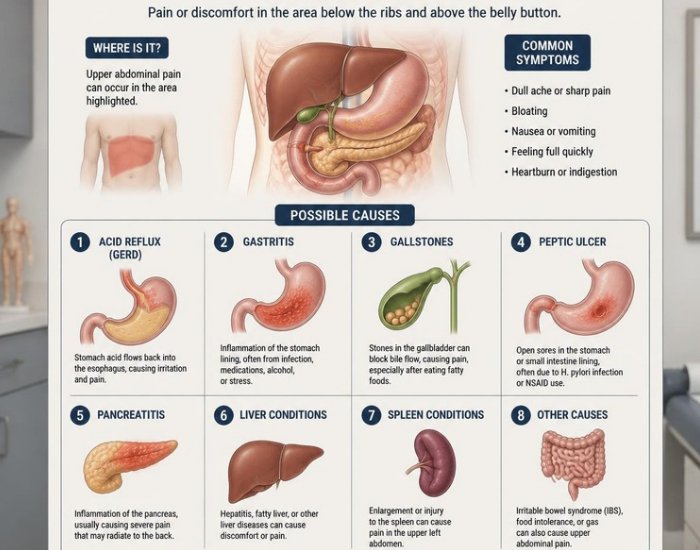
Food poisoning often comes on fast and catches people off guard. One moment you feel fine, and the next you are dealing with nausea, stomach cramps, or repeated trips to the bathroom. A common question many people ask is how long does food poisoning last, especially when symptoms disrupt daily life and cause concern.
The answer depends on the cause, your overall health, and how your body responds. While some cases resolve quickly, others may last longer and require medical attention.
What Is Food Poisoning?
Food poisoning occurs when you consume food or drinks contaminated with bacteria, viruses, parasites, or toxins. Common culprits include undercooked meat, unwashed produce, contaminated water, and foods left at unsafe temperatures.
Your body reacts by trying to eliminate the harmful organism or toxin, which leads to symptoms such as diarrhea, vomiting, abdominal pain, and sometimes fever.
How Long Does Food Poisoning Usually Last?
For most healthy adults, food poisoning symptoms last from a few hours to three days. Mild cases often improve within 24 hours, especially when caused by toxins that irritate the stomach lining.
In moderate cases, symptoms may last two to four days as the body clears the infection. During this time, fatigue and weakness are common, even after vomiting or diarrhea improves.
More severe cases, especially those caused by certain bacteria or parasites, can last a week or longer and may require medical treatment.
Why the Duration Can Vary
Not all food poisoning is the same. The length of illness depends on several factors, including the type of bacteria or virus involved. Some organisms act quickly and pass fast, while others invade the intestines and take longer to clear.
Your immune system also plays a role. Children, older adults, pregnant individuals, and people with chronic medical conditions may experience longer or more intense symptoms.
Hydration and rest can influence recovery time as well. Dehydration often makes symptoms feel worse and last longer.
Common Stages of Food Poisoning
Food poisoning often follows a pattern. The first stage usually begins within hours to a day after eating contaminated food. This stage includes nausea, vomiting, stomach cramps, and diarrhea.
The second stage involves ongoing digestive upset, weakness, and dehydration. Appetite may be low, and fatigue is common.
The final stage is recovery, when symptoms gradually improve and energy returns. Bowel habits may take a few extra days to fully normalize.
When Food Poisoning Lasts Longer Than Expected
If symptoms last longer than three days, worsen over time, or return after initial improvement, medical evaluation is important. Prolonged symptoms may indicate a bacterial infection that requires treatment or complications such as dehydration.
You should also seek care if you experience high fever, bloody diarrhea, severe abdominal pain, dizziness, confusion, or signs of dehydration such as dry mouth or decreased urination.
How to Recover Safely
Most mild cases improve with rest, hydration, and gentle foods. Clear fluids, electrolyte solutions, and bland foods like rice or toast can help support recovery.
Avoid alcohol, dairy, and fatty foods until symptoms fully resolve. Over-the-counter medications may provide relief, but they are not appropriate for all cases. A doctor can help determine the safest approach based on your symptoms.
When to See a Doctor for Food Poisoning
You should see a doctor if food poisoning symptoms are severe, persistent, or affect daily functioning. Medical care is especially important for older adults, young children, pregnant individuals, and anyone with weakened immunity.
A healthcare provider can evaluate symptoms, recommend testing if needed, and guide treatment to prevent complications.
Comprehensive Primary Care Support at Lifecare Primary Medical
If food poisoning symptoms are lasting longer than expected or causing concern, Lifecare Primary Medical provides comprehensive primary care for adults. Dr. Samira Khan, MD, and Tanveer Khan, MPAS, PA-C evaluate gastrointestinal symptoms, monitor hydration status, and rule out serious infections. With a patient-centered approach, they help patients recover safely and determine when further treatment or testing is necessary.
Do Not Ignore Persistent Digestive Symptoms
Food poisoning is often short-lived, but lingering or severe symptoms should not be ignored. If you are unsure how long your symptoms should last or feel your condition is not improving, seeking medical care can provide reassurance and prevent complications.
Medical Disclaimer
The information provided in this article is for educational purposes only and is not intended to replace professional medical advice, diagnosis, or treatment. Symptoms and recovery times vary between individuals. Always consult a qualified healthcare provider for personalized medical guidance. If you experience severe dehydration, persistent vomiting, confusion, or signs of a medical emergency, seek immediate medical attention.