When Right-Sided Pelvic Pain Raises Concern
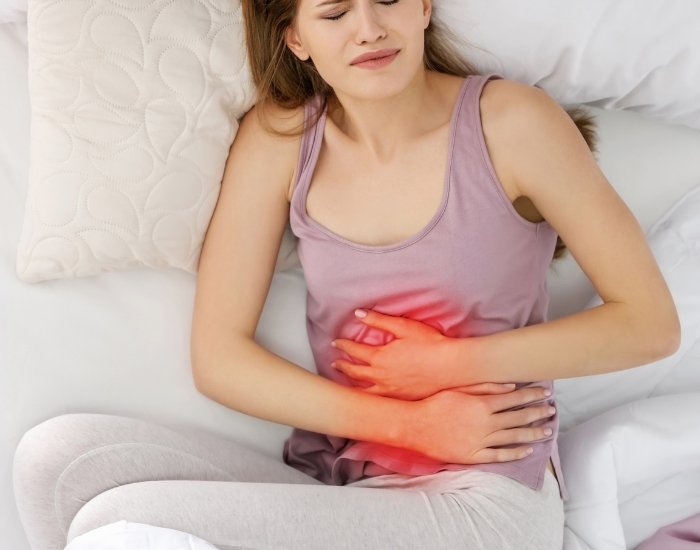
Pelvic pain on the right side in women is a symptom that can range from mild discomfort to severe, sharp pain. Many adults feel uncertain when this occurs, questioning whether it is something minor like gas or menstrual cramps, or something more serious that requires urgent care. Deciding whether to see a primary care doctor, gynecologist, or go to urgent care can feel overwhelming.
Understanding the potential causes, warning signs, and how care is typically approached can help women take informed steps, ensuring timely evaluation while reducing anxiety.
What Right-Sided Pelvic Pain Means
The pelvic region contains reproductive organs, parts of the urinary system, and segments of the lower intestines. Pain in this area can originate from any of these systems, or from muscles, ligaments, and nerves.
Right-sided pelvic pain may feel:
- Sharp, stabbing, or crampy
- Dull or aching
- Constant or intermittent
- Worsened by movement, urination, or menstrual cycles
Pain location, severity, and accompanying symptoms often help healthcare providers narrow down possible causes.
Common Causes of Right-Sided Pelvic Pain in Women
Ovarian Conditions
- Ovarian cysts: Fluid-filled sacs on the ovary that may cause sharp or dull pain; pain can increase if the cyst ruptures.
- Ovulation pain (mittelschmerz): Some women experience brief, sharp pain during ovulation, typically in the middle of the menstrual cycle.
- Ovarian torsion: Twisting of the ovary, a medical emergency that causes sudden, severe pain with nausea or vomiting.
Fallopian Tube or Uterine Conditions
- Ectopic pregnancy: When a fertilized egg implants outside the uterus, usually in a fallopian tube, leading to severe right- or left-sided pelvic pain, sometimes with vaginal bleeding.
- Pelvic inflammatory disease (PID): Infection of the reproductive organs often caused by sexually transmitted infections; may cause constant, dull, or crampy pain.
- Endometriosis: Tissue similar to the uterine lining growing outside the uterus can cause cyclical pain that may concentrate on one side.
Gastrointestinal Causes
- Appendicitis: Classically presents as sharp pain in the lower right abdomen that can radiate to the pelvis; often accompanied by nausea, vomiting, or fever.
- Constipation or gas: May create discomfort in the pelvic area, sometimes mistaken for reproductive pain.
- Inflammatory bowel conditions: Such as Crohn’s disease or ulcerative colitis, may cause right-sided pelvic discomfort.
Urinary Causes
- Urinary tract infection (UTI): Often causes pelvic pressure, burning with urination, and sometimes right-sided discomfort if the infection affects the kidney.
- Kidney stones: Can cause sharp, radiating pain from the back to the lower right pelvis.
Musculoskeletal Causes
- Muscle strain or ligament tension from exercise, lifting, or poor posture can occasionally mimic internal pelvic pain.
Symptoms That Should Not Be Ignored
Seek immediate medical attention if right-sided pelvic pain is accompanied by:
- Sudden, severe, or worsening pain
- Fever or chills
- Nausea or vomiting
- Vaginal bleeding, especially in early pregnancy
- Pain with urination or bowel movements
- Swelling or tenderness in the pelvic area
These may indicate emergencies like ectopic pregnancy, ovarian torsion, appendicitis, or severe infection. (mayoclinic.org)
How Right-Sided Pelvic Pain Is Evaluated
Evaluation often starts with a primary care provider or gynecologist. Common steps include:
- Detailed medical history, including menstrual cycle, sexual activity, and prior surgeries
- Physical and pelvic examination to identify tenderness, masses, or swelling
- Laboratory tests:
- Urine tests for infection
- Blood tests for infection or pregnancy
- Imaging studies:
- Ultrasound to examine reproductive organs
- CT scan if gastrointestinal causes are suspected
Accurate evaluation helps differentiate between minor and serious conditions, ensuring proper care.
How Right-Sided Pelvic Pain Is Managed
Treatment depends on the underlying cause:
Reproductive-Related Causes
- Pain medications for ovulation or menstrual cramps
- Hormonal therapy for ovarian cysts or endometriosis
- Antibiotics for infections such as PID
- Surgery for ovarian torsion or ectopic pregnancy
Gastrointestinal Causes
- Antibiotics or anti-inflammatory medications for infections
- Laxatives or dietary changes for constipation
- Surgery for appendicitis or severe bowel complications
Urinary Causes
- Antibiotics for UTIs
- Pain management and hydration for kidney stones
- Procedures for persistent or large stones
Musculoskeletal Causes
- Rest and activity modification
- Physical therapy or gentle stretching
- Over-the-counter anti-inflammatory medications
Early evaluation and appropriate treatment reduce complications and relieve discomfort effectively.
Prevention Tips
While not all causes can be prevented, the following steps help reduce risk:
- Maintain regular gynecologic care and screenings
- Practice safe sex to reduce the risk of infections
- Stay hydrated and eat a fiber-rich diet to prevent constipation
- Exercise regularly to strengthen core muscles
- Monitor menstrual cycles and symptoms for changes
Who Should Manage Right-Sided Pelvic Pain
Primary Care Physician or Internal Medicine
- Ideal first contact to evaluate and coordinate care
- Can rule out gastrointestinal, urinary, or minor reproductive causes
Gynecologist
- Best for ovarian, uterine, or other reproductive system concerns
Gastroenterologist or Urologist
- Recommended if digestive or urinary issues are suspected
Starting with a primary care visit ensures symptoms are triaged appropriately and specialist care is arranged if necessary.
Conclusion
Right-sided pelvic pain in women has a wide range of possible causes. Many are minor and treatable, such as ovulation pain or gas, but some can be urgent, including appendicitis, ectopic pregnancy, or ovarian torsion. Recognizing warning signs and seeking prompt evaluation helps ensure safety and effective relief. Timely medical care, proper diagnosis, and follow-up provide reassurance and prevent complications.
Medical Disclaimer: This content is for educational purposes only. It does not replace professional medical advice, diagnosis, or treatment. Always consult a qualified healthcare provider regarding pelvic pain or any concerning symptoms.