When Numbers on a Blood Pressure Machine Start Causing Anxiety
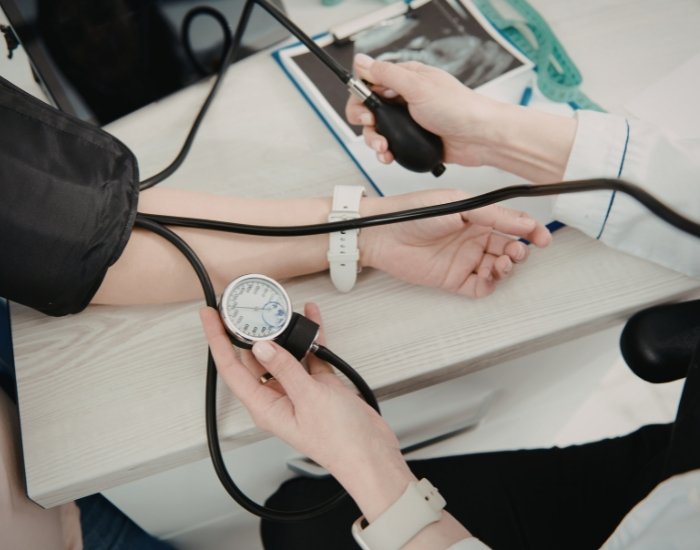
Many adults reach a point where a routine checkup suddenly becomes stressful. A nurse wraps the cuff around the arm, the machine beeps, and the reading comes back high. That moment often triggers confusion. Is this temporary? Is it serious? Should care come from a primary care physician or a heart specialist?
High blood pressure, also called hypertension, is extremely common, yet it can feel overwhelming when first diagnosed. Some people feel completely fine but see high numbers. Others experience headaches or dizziness and wonder if something more serious is happening. Knowing when to act and who to see can make a major difference in long-term health outcomes.
What Is Hypertension (High Blood Pressure)?
Hypertension happens when the force of blood pushing against artery walls stays consistently too high. Over time, this pressure can damage blood vessels and vital organs.
Many people are surprised to learn that hypertension is often called a “silent condition.” Most adults do not notice symptoms even when blood pressure is dangerously high.
Some people may experience:
- Headaches
- Shortness of breath
- Nosebleeds
- Vision changes
- Chest discomfort
However, symptoms usually appear only when blood pressure becomes severe or life threatening.
This is why routine screening through primary care near me searches and regular checkups is essential for early detection.
Why High Blood Pressure Happens
Hypertension can develop from a mix of lifestyle, genetic, and medical factors.
Common risk factors include:
- Family history of hypertension
- Being overweight or obese
- High salt intake
- Physical inactivity
- Smoking or tobacco use
- Chronic stress
- Conditions like diabetes or kidney disease
Extra weight and inactivity can change how blood vessels and organs function, increasing blood pressure over time.
When patients search hypertension doctor near me, it often follows learning about one or more of these risks.
Why Hypertension Matters More Than Many People Realize
Uncontrolled hypertension can damage the heart, brain, kidneys, and blood vessels. It increases the risk of:
- Stroke
- Heart attack
- Heart failure
- Kidney failure
- Vision loss
High blood pressure can also harden arteries, reducing oxygen flow to the heart and brain.
Early diagnosis through primary care near me visits helps prevent these long-term complications.
When Hypertension Requires Medical Attention
Medical evaluation is recommended if:
- Blood pressure consistently reads 130/80 or higher
- Readings suddenly increase
- Symptoms like chest pain or severe headache appear
- There is a family history of heart disease or stroke
Emergency care is needed if blood pressure reaches extremely high levels with symptoms such as neurological changes or chest pain.
Patients often begin by searching hypertension doctor near me, but starting with primary care is usually appropriate.
How Hypertension Is Usually Evaluated
Evaluation typically includes:
- Blood pressure measurements over time
- Review of medical history
- Lab testing for kidney function, cholesterol, and blood sugar
- Lifestyle assessment (diet, exercise, stress, sleep)
Primary care providers often manage screening and early diagnosis because they serve as the first contact point for most health concerns.
How Hypertension Is Treated and Managed
Treatment usually combines lifestyle changes and sometimes medication.
Lifestyle Management
- Lower sodium intake
- Increase physical activity
- Maintain healthy weight
- Limit alcohol
- Manage stress
- Stop smoking
Medical Treatment
- Blood pressure medications when needed
- Monitoring at home and during office visits
- Regular follow-up appointments
Reducing risk factors is one of the most effective ways to prevent complications from high blood pressure.
Searching high blood pressure treatment near me often connects patients to primary care clinics that provide long-term monitoring.
Who Should Manage Hypertension: PCP, Internal Medicine, or Specialist?
Primary Care Physician or Internal Medicine
Best for:
- New diagnosis of hypertension
- Ongoing medication management
- Lifestyle counseling
- Routine monitoring
Primary care clinics commonly manage chronic conditions including hypertension and diabetes.
Cardiologist
Usually needed if:
- Blood pressure is difficult to control
- Heart disease is present
- There are complex complications
Most patients start successfully with primary care near me and are referred to specialists only when needed.
How Primary Care Helps Long-Term Hypertension Control
Primary care focuses on:
- Prevention and early detection
- Coordinated specialist referrals
- Long-term monitoring
- Patient education
Primary care also manages other conditions that often occur alongside hypertension, improving overall health outcomes.
Clinics like Lifecare Primary Medical provide chronic disease management, preventive screening, and personalized care plans for high blood pressure.
When to Search for Care Locally
Patients often benefit from searching:
- primary care near me for routine screening
- hypertension doctor near me for confirmed diagnosis
- high blood pressure treatment near me for ongoing management
Local primary care providers can usually coordinate all stages of care.
Prevention Tips That Actually Work
Simple daily habits make a big difference:
- Check blood pressure regularly
- Cook more meals at home
- Increase fruit and vegetable intake
- Stay physically active
- Prioritize sleep
Small, consistent lifestyle changes can significantly improve blood pressure control over time.
Reassuring Conclusion
A hypertension diagnosis can feel overwhelming, especially when symptoms are not obvious. The good news is that high blood pressure is highly manageable with early detection, consistent monitoring, and personalized care.
Most adults do well when starting with primary care for evaluation and long-term management. Specialist care is available if needed, but many patients achieve excellent control through lifestyle adjustments and medication guidance from primary care or internal medicine providers.
Medical Disclaimer: This content is for educational purposes only and is not a substitute for professional medical advice, diagnosis, or treatment. Always consult a qualified healthcare provider regarding any medical condition or health concern.